
Refine by
Global Warming Articles & Analysis
1,051 articles found

The catastrophic high-temperature scenario went viral globally, drawing worldwide attention to climate and environmental issues. ...

One of the stages of nitrification produces nitrous oxide, an environmentally hazardous gaseous form of nitrogen with 300 times the global warming potential of carbon dioxide. The fact that the nitrification process occurs in the biofilm reduces the release of this gas to the atmosphere and helps reduce overall greenhouse gas emissions, particularly nitrous ...
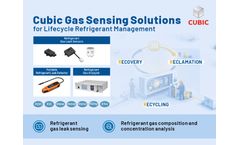
Environmental Protection Agency (EPA), direct fugitive emissions from refrigeration and air-conditioning systems constitute a significant source of Scope 1 greenhouse gas emissions due to the high global warming potential of fluorinated refrigerants. Even relatively small losses of refrigerant during installation, operation, servicing, or equipment retirement can ...

For biochar producers, this market presents a unique opportunity to monetize carbon sequestration efforts while contributing to global sustainability. However, entering the voluntary carbon market requires a deep understanding of both the technical and regulatory frameworks that govern the sale of carbon credits. ...

As global emphasis on environmental sustainability and climate change mitigation intensifies, regulations and policies have been introduced worldwide to mandate and standardize the early detection of high-global warming potential (GWP) refrigerants such as HFCs and CFCs. ...

Introduction: OOOOc - The Next Step in Methane Regulation As global attention on methane intensifies, the U.S. Environmental Protection Agency (EPA) continues to roll out new standards aimed at reducing emissions from the oil and gas sector. Following the introduction of OOOOb, the agency is now advancing OOOOc, a complementary rule targeting existing oil and gas sources rather than new ...
ByOPGAL
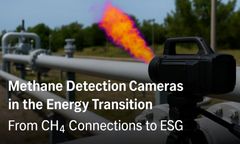
Methane is a powerful greenhouse gas, with a global warming potential over 80 times that of carbon dioxide in the first 20 years after release. Reducing methane emissions has become a global priority—not only for environmental sustainability but also for regulatory compliance and corporate responsibility. ...
ByOPGAL
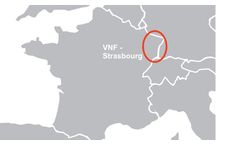
Who are "Voies navigables de France - Strasbourg" ? VNF Strasbourg operates, maintains and modernises a canalised network of 480 kilometres of streams, rivers and canals in the Rhine region. It manages and administers a public river basin of almost 2,000 hectares and a number of more than 200 structures (sluices, weirs, dams etc.). The workforce of 400 employees works in all waterways-related ...
Introduction: Regulations Driving Innovation Methane (CH4) is a greenhouse gas with a global warming potential over 80 times stronger than CO2 over a 20-year horizon. ...
ByOPGAL

Introduction: Why CH4 Connections Matter Methane, or CH4, is one of the most potent greenhouse gases known today. While its atmospheric lifetime is shorter than CO2, its warming potential is over 80 times higher over a 20-year horizon. This makes methane emissions a top priority for both regulators and industry leaders. When we speak of CH4 connections, we are talking about the direct links ...
ByOPGAL
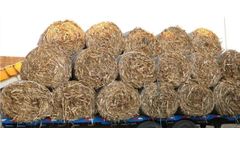
With reserves second only to coal, oil, and natural gas, it is regarded as one of the most promising renewable energy sources of the 21st century. Globally, biomass co-firing is a critical component of low-carbon green energy development. The IPCC’s Global Warming of 1.5°C report explicitly lists "Bioenergy with Carbon Capture and ...

In Europe, The European Union launched F-gas regulation that aims to phase down high-GWP (Global Warming Potential) refrigerants, driving the HVAC&R industry and Heat Pump industry toward sustainable alternatives. Low global warming potential (GWP) refrigerants have gradually become the mainstream choice in the market because ...
As EPA regulations like OOOOa, OOOOb, and Subpart W tighten, industries face growing pressure to enhance emission monitoring. Optical Gas Imaging (OGI) technology—especially when combined with artificial intelligence (AI)—offers a powerful way to stay ahead. This article explores how companies like Opgal are turning compliance into innovation with smart OGI tools that simplify ...
ByOPGAL
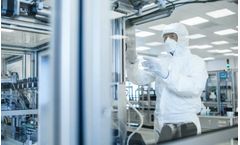
Gas monitoring in semiconductor manufacturing: Why it matters The semiconductor industry relies heavily on hazardous gases in etching, doping, and deposition processes. Ensuring workplace safety, environmental compliance, and process reliability requires advanced gas detection solutions. FTIR (Fourier Transform Infrared) spectroscopy offers a comprehensive approach by simultaneously detecting ...

The HVAC industry is transitioning to lower global warming potential refrigerants under the American Innovation and Manufacturing Act of 2020, which phases down older refrigerants and sets new standards for air conditioners and heat pumps. ...

Every gardener wishes for a healthy, fruitful garden full of colorful plants, fertile soil, and less water wastage. It has never been simpler to make the dream come true, thanks to modern innovative technologies such as the garden drip irrigation system and organic options such as Puroxi (OB) Water Treatment for crops. These two tools complement each other to make your garden a lush, ...

Summary Low dissolved oxygen (DO) is indicated by high plant abundance, slow-moving water, and the presence of organic waste. Excess nutrients and warm, stagnant water cause harmful algal blooms (HABs), leading to oxygen depletion in lakes. Oxygen depletion can trigger mass fish deaths and disrupt aquatic ecosystems, with ecological and economic consequences. AI and real-time monitoring can ...
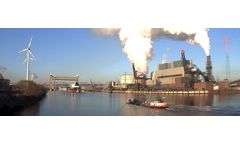
Cross-Sector Analyses In addition to climate-relevant CO2, we also measure methane (CH4) and nitrous oxide (N2O) and convert them into CO2 equivalents (Global Warming Potential – GWP). How are GHG Emissions Considered in Planning? ...

With thousands of flights operating daily worldwide, the aviation sector is responsible for about 5% of human-caused greenhouse gas emissions, which accelerate global warming. These challenges make aviation a key focus for the future of sustainable mobility. ...

Every year, millions of tons of food is wasted across the globe. In the UK alone, an estimated 9.5 million tonnes of food go to waste annually, costing businesses and households billions. This staggering amount of waste not only impacts finances but also contributes significantly to environmental degradation. Addressing this issue requires strategic food waste management solutions ...