
Refine by
Grain Feed Articles & Analysis
82 articles found
Workforce shortages in the U.S. have sparked great energy toward technology. The urgency to implement automated work processes continues to ...
Grain Level Measurements: A Technological Question Bin-level indicators have been around for decades. From simple switches and rotaries to advanced non-contact sensors, there’s no shortage of technologies to choose from. But there’s more to bin levels than just the sensor. The good news is there's a solution for you, whether your operation is small or large with one bin or hundreds. ...
Their versatility lends them to be used with bins, tanks, or silos of different shapes and sizes, storing all types of grain, ingredients, or ...
Many powders and bulk solids are known to sit erratically in storage. Sometimes they flow freely. Sometimes, not. When slide gates are supposed to be closed, but aren't, loose material falls and becomes waste. Feeders and conveyors should deliver bulk materials into a process—but how do you know for sure if it was ...
Monitor Inventory on a Phone, Tablet, or PC Many feed mills, grain storage facilities, and pet food plants are big in size and small on staff. ...
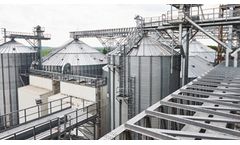
The most established are rotary paddle and capacitance sensors, while ultrasonic, radar, vibrating, and microwave barrier sensors are also widely used in modern facilities.Rotary paddle sensors detect when stored material blocks a rotating paddle, making them a simple and cost-effective solution for point-level detection in grains, pellets, and powders. They are rugged but can ...
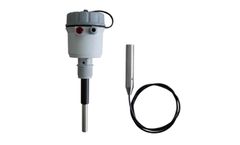
Figure 1Do you manage a storage facility? No matter what you store; grains, powders, granules, or liquids—knowing the exact level is key for efficiency, safety, and saving costs. ...
Managing inventory and usage of bulk materials—grain, feed, powders, pellets, raw ingredients, additives, and chemicals—presents a set of challenges that differ from those in gaylords or boxes of packaged goods. ...

Ensuring the nutritional and compositional quality of livestock feed and natural products is essential for agricultural efficiency and sustainability. With the increasing demand for precision in livestock nutrition, accurate feed analysis has never been more essential. Near-infrared (NIR) spectroscopy has enhanced quality assessment, providing rapid, ...

Additionally, in breweries, xylanase promotes better filtration, increases yield, and ensures clarity in beer production by reducing haze-causing polysaccharides. 2. Animal Feed Industry Agricultural industries have embraced xylanase to improve the nutritional value of animal feed. Grain-based feeds naturally contain fibrous ...

Background The customer is an agri-business supply chain leader for end users and suppliers of grain, food ingredients, animal feed ingredients and pet food ingredients. ...
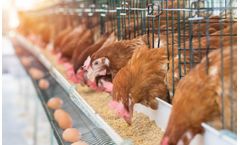
Developing a Cost-Efficient Strategy for Continuous Quality Monitoring of Feed Ingredients Rich-protein grain, cereals, oilseeds and various by-products are the common feed ingredients for poultry and swine. In recent years, farmers worldwide are struggling with the increasing prices of raw materials which resulted in the need to maintain ...
Why is it important to have a high-quality feed? The quality of ruminant feed is directly linked with milk production, animal health, as well as farm performance. As feed costs represent a significant number of the total production costs, it is crucial to ensure feed nutritional values and quality throughout the whole year. Therefore, the intake of superior quality TMR and silages can help to ...

The ochratoxin group consists of metabolites, but only ochratoxin A (OTA) is found as a worldwide contaminant in most grains used in animal feed. OTA is a polyaromatic molecule, more hydrophobic than zearalenone (ZEA) when ionized, and it is a potent nephrotoxin (European Food Safety Authority, 2009; Markov et al., 2013). ...
This article explores the application of screw press dewatering machines in processing spent grains, discussing their advantages and prospects. Characteristics of Spent Grains and Dewatering Requirements **Characteristics of Spent Grains:** Spent grains primarily consist of solid residues after fermentation, containing a ...

Factors Affecting Milk pH Level Several factors influence the pH level of milk, including: Diet of Cows: The diet of dairy cows significantly affects the pH of milk. Diets rich in grains and high-energy feeds can lower the pH level. Milking Process: Stress during milking, improper milking techniques, and udder health can impact milk pH. ...
I n July, 2012, Door County Cooperative, Sturgeon Bay, WI, needed to replace the 3,000 bph grain dryer at its Shirley Feed Mill at De Pere, WI. Dairy customers needed feed, and an above average corn harvest was ready to be harvested in ...
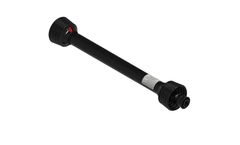
The spreader is driven by the tractor PTO shaft, which is turned by the chains and gears that distribute the manure. Augers are utilized to move grain or feed substances into and out of storage containers or transport trucks. ...
Improve pet palatability and boost feed consumption. As a result of the large feed density, minimized volume and also high nutrient concentration, the animal feed intake will certainly raise as necessary. ...

Storage containers: prepainted steel sheets are used to build storage containers for agricultural products, such as grain, fertilizer, and animal feed. Overall, PPGI sheets provide an affordable and long-lasting solution for various agricultural applications, helping farmers to protect their crops and livestock, store their products, and create a conducive ...