
Grass Forage Articles & Analysis
25 articles found
In much of Canada, the growing season is significantly shorter than in many parts of the U.S. This limits the types of forage crops that can be reliably grown and harvested for silage. While many U.S. dairies rely heavily on corn silage, Canadian dairies often depend on legume- grass silage mixes, barley silage, or triticale that are better suited to cooler ...

Together, they run a 3,000 acre farm in Alberta’s Peace Country, east of Manning, where they grow canola, wheat, peas, oats and some forage grasses for ...
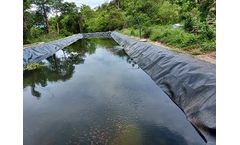
The bottom of the pond is in the shape of a turtle’s back, and the entire bottom of the pond is inclined towards the water outlet, which is conducive to drainage and fishing. The pond should be wide open. Forage grass is best planted on the pond ridge. Tall trees should not be planted to avoid blocking the sun and wind. ...
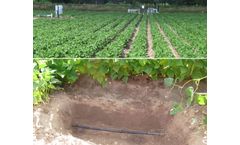
The project site is divided into eight separate subsurface drip irrigated blocks consisting of three banana plots, two papaya plots, two bermuda turf grass plots, and one giant bermuda pasture grass plot. The banana and papaya crops were selected on the basis of marketability, the bermuda grass turf for use in landscape applications and giant ...
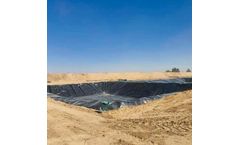
The bottom of the pond should be shaped like a turtle's back, sloping toward the outlet for drainage and fishing, and the surrounding area should be open enough to plant forage grass, but no trees. Step2:Choose the place where the sun shines 4-6 hours a day is more appropriate; Step3:With lime or flour, draw the shape and size of the pool, along with the ...
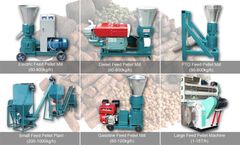
Hay refers to dried grass used as livestock fodder. It is fed to especially pasturing animals, for instance, sheep, goats, horses and cattle when grazing is unobtainable due to harsh climatic conditions. ...

Approximately 35 cow–calf pairs grazed 194 ha of grass forage and had direct access to the creek in the spring and summer. ...

This study was conducted to determine whether integration of switchgrass (Panicum virgatum L.) or big bluestem (Andropogon gerardii Vitm.) into cool-season grazing systems would mitigate this period of low pasture productivity and quality. Cool-season grass and legume pastures (CS-Only) were compared to integrated big bluestem and cool-season grass and legume ...
Ferulate cross-linking of lignin to arabinoxylan contributes to poor cell wall degradability of grass forages. We hypothesized that reduced ferulate ester deposition will result in formation of fewer ferulate cross links and improved degradability. ...
Treatments were four levels of N fertilization (0, 50, 67, and 101 kg N ha–1 harvest–1) replicated four times for each species. Both grasses showed increases in P removal with increasing N fertilizer applications. Phosphorus removed by forages for the highest N application level ranged from 59 (bahiagrass; 2-yr period) to 83 kg ha–1 (limpograss; 3-yr period). ...
Perennial grasslands provide numerous agroenvironmental benefits due to continuous soil cover. In Mediterranean areas, chronic summer drought is expected to increase as a result of climate changes. Plant adaptations that protect meristematic tissues include dehydration delay, dehydration tolerance, and summer dormancy. Summer dormancy can only be reliably tested in plants not subjected to water ...
Climatic change manifested by increasing summer drought necessitates the development of drought-tolerant forage grass cultivars. Summer dormancy is a major trait conferring drought survival and autumn recovery of perennial grasses in Mediterranean areas. ...
The Information et Suivi Objectif des Prairies (ISOP; Grassland Information and Objective Survey) application was developed to estimate and map the real-time status of grass growth and forage production in the 200 forage regions of France, to help decision makers anticipate forage availability in case of severe deficits. ...
Few herbicides are labeled for weed control when establishing alfalfa (Medicago sativa L.)-grass mixtures. Varying the planting date of the grass in relation to alfalfa and adjusting herbicide application timing could improve weed control and forage grass safety. ...
The practice of fallowing pastures during the growing season is intended to increase plant diversity and allow natural reseeding of forage grasses. Fallowing delivers these benefits in New Zealand, but has been adopted on rotationally stocked farms in the northeastern United States with little or no quantitative assessment. ...
Timely assessments of nutritive values of legume-based swards during the growing season can facilitate a targeted and site-specific forage management. This study was undertaken to explore the potential of field spectral measurements for a nondestructive prediction of metabolizable energy, ash content, crude protein (CP), and acid detergent fiber of legume–grass ...
Few herbicides are labeled for weed control when establishing alfalfa (Medicago sativa L.)-grass mixtures. Varying the planting date of the grass in relation to alfalfa and adjusting herbicide application timing could improve weed control and forage grass safety. ...
Bahiagrass (Paspalum notatum Flügge) is an important perennial forage grass for the southeastern United States, being well adapted to conditions such as sandy or poorly drained soils, drought, and heavy continuous grazing. ...
Bermudagrass (Cynodon sp.) is an important warm-season forage grass for the South and may have value as a bioenergy feedstock. The objective of this study was to measure the genetic relatedness among entries of the Cynodon clonal forage bermudagrass core collection and seven commercial forage cultivars using plant phenotype and ...
Paspalum plicatulum Michx. is a wild forage grass species. The common races are tetraploid and apomictic, while sexual diploid representatives have been reported sporadically. ...