
Refine by
Greenhouse Gas Data Articles & Analysis
47 articles found

The EA is keen to improve the quality of data on greenhouse gas emissions within the sector. ...
ByENVEA
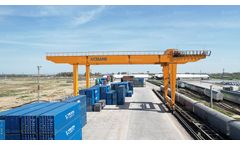
Digitalization and Industry 4.0Tech innovation plays a central role in sustainability.Simulation and Digital TwinsDigital twin technology allows engineers to simulate production, operation, and maintenance processes—optimizing for energy use and emissions before physical work begins.IoT Sensors and Predictive AnalyticsSensors embedded in cranes monitor:Energy consumptionOperational ...

Optimisation of the composition of animal diets or the use of additives for feedstocks to reduce methane produced by ruminating animals are all options to reduce emissions from livestock farming.5,6 For crops, maintaining good quality soil conditions plays an important role in minimising emissions as building organic carbon content in soil helps increase its sequestration capacity, though the ...

” This sets the stage to require more companies to collect and validate their greenhouse gas (GHG) emissions data. The SEC has cautioned filers about using “boilerplate” information and requires filers to provide this information in a meaningful way and went so far as to say that disclosers need to eventually provide ...
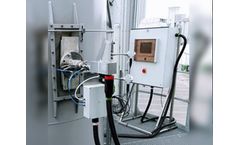
The EA is keen to improve the quality of data on greenhouse gas emissions within the EfW sector. ...
ByENVEA

An Italian research group, led by Professor Francesco Morari (pictured on the right) from the university of Padova, are studying the effects of conservation agriculture and cover crops on greenhouse gas (GHG) emissions and water quality in the very shallow water table conditions of Veneto, Italy, with the portable Gasmet DX4015 device. This article discusses their research and experiences using ...
The legal basis for the compilation of the EU GHG inventory is Regulation (EU) 525/2013 of the European Parliament and of the Council on a mechanism for monitoring and reporting greenhouse gas emissions (EU MMR). The annual GHG inventory is the official data source on greenhouse gas emissions of the European ...
Objective of the report This report provides estimates of greenhouse gas (GHG) emissions in the European Union (EU) and its Member States for the year 2014, covering the full GHG inventory (all sectors, except land use, landuse change and forestry (LULUCF), and all gases). ...

It’s well known that organic practices offer climate benefits in terms of management practices that help sequester carbon in soils and reductions in greenhouse gas emissions associated with fertilizer production. What’s less clear is the extent to which other variables, such as lower per-acre productivity and more intensive use of machinery in fields, ...
ByEnsia
Maximum scores are country specific, as not all countries are involved in all data flows. A result of 0% means that no data have been delivered at all. ...
In total, the EU ETS covers around 45% of EU greenhouse gas emissions (EEA, 2015). The EU ETS covers 28 EU Member States, as well as Norway, Iceland, and Liechtenstein (which are part of the broader European Economic Area). ...
In June 2014, the EEA published final complete data on annual greenhouse gas (GHG) emissions during the Kyoto Protocol's first commitment period (2008 through 2012) in the EU (1). ...
Objective of the report This report provides estimates of greenhouse gas (GHG) emissions in the European Union (EU) and its Member States for the year 2013, covering the full GHG inventory (all sectors, except land use, land‑use change and forestry (LULUCF), and all gases). ...
EU GHG inventory submission to UNFCCC (EEA and DG Climate Action) The European Union (EU), as a party to the United Nations Framework Convention on Climate Change (UNFCCC), reports annually on greenhouse gas (GHG) inventories for the years 1990 to X-2 (i.e. two years before the current year1) and within the area covered by its Member States. The legal basis for ...
The EU emitted 4,544 million tonnes of CO2 eq. in 2012, accounting for less than 10% of global GHG emissions1. Figure 1 shows total greenhouse gas emissions in the period 1990– 2012, both in the EU-15 (which is collectively a party to the Kyoto Protocol) and in the EU-28. ...

The Challenge National Grid tasked us with identifying a short list of suitable Greenhouse Gas (GHG) software solutions to fit their existing and future requirements; like many other global organisations they needed to combine their current range of systems and processes (including spreadsheets) into a single software solution. ...

But while compiling and analyzing this data is incredibly important, the other piece of the puzzle is making data accessible. ...
National greenhouse gas (GHG) inventory systems are complex but critical for meeting international reporting requirements and informing domestic low-carbon strategies and goals. ...
This working paper sets the stage for analysis on how to shift financial flows to meet transport needs sustainably and with lower greenhouse gas emissions. Although these data are preliminary, we conclude that shifting future transport investment patterns, especially in the rapidly urbanizing and motorizing countries where transport growth is ...
Definitions and sources Data on greenhouse gas emissions Total GHG emissions (UNFCCC, Kyoto Protocol) 1990-to-2011 GHG emissions: total emissions as reported in 2013 national inventories under the UNFCCC, excluding net effects of land use, land-use change and forestry (LULUCF) and excluding emissions from international aviation and maritime ...