
Refine by
Grit Removal Articles & Analysis
61 articles found
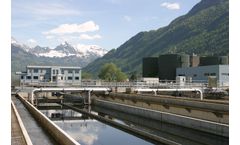
Common failure modes include hydraulic short-circuiting, carryover of grit or solids, and leaks associated with aging infrastructure. These issues are typically mitigated through the use of equalization tanks to buffer peak flows, properly designed screening and grit removal systems, and routine inspection and maintenance of tanks and structures. ...

EDI aeration helps 10 MGD municipal plant win multiple awards for performance while cutting energy usage in half. Project Information Project Type: Municipal wastewater treatment Completion Date: 2008 Treatment Objectives: Design flow: 10 MGD Effluent Objectives: Meet Regulation 100% of the Time ...
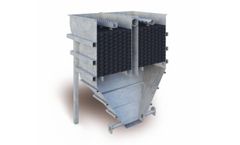
A 6 mm (1/4 inch) directional screen is typically recommended to protect downstream equipment. Grit Removal Grit removal helps maintain trickling filter performance by removing abrasive inorganic materials, such as sand and small stones, from the influent. Without effective grit ...

Gradually lower the pH to 7.0–7.5 while maintaining high specific loading (SK) until ammonia removal performance is restored. This method may temporarily inhibit nitrification but should not result in permanent damage to nitrifying bacteria. ...
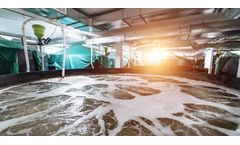
In a typical treatment plant, sewage flows through a series of tanks and filters. First, grit and large solids are removed. Then, biological processes use tiny living organisms (bacteria and other microbes) to eat the waste in the water. ...
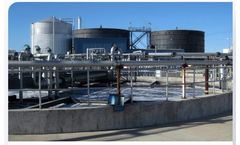
Drinking water treatment processes involve a six-step process to remove undesirable contaminants. Grit Removal The first step in the drinking water treatment process is the removal of harsh grit particles (sand, gravel, cinder, etc.) and other large objects (cans, bottles, tree limbs, etc.). ...
An Effluent Treatment Plant is a specialized facility designed to treat wastewater (effluent) generated from industrial and commercial activities. The goal of an ETP is to remove contaminants from the wastewater so that the treated water can either be safely discharged into the environment or reused in various applications. ...

Waterview Mobile Home Park This mobile home park required both capacity expansion and a more enhanced treatment process to manage the increased fow and the more stringent effuent quality. The existing MBBR was modifed to an MBR. Industry Mobile Home Park Location Gloucester, Virginia Capacity 20,000 GPD (76 m3/Day) Installed ...

Dealing with house wastewater can feel complicated. Especially with terms like “effluent” and “biosolids”. But effective domestic wastewater treatment is crucial for a healthy home and environment. This guide explains home sewage treatment clearly. We’ll discuss various domestic effluent treatment methods, their benefits, and important considerations. We’ll ...

Ceramic: Known for its aggressive cutting action, ceramic flap discs are suitable for hard woods and heavy-duty applications, providing a longer lifespan. Grain Size: Coarse Grit (40-60): Ideal for rapid material removal, coarse grits are effective for shaping and leveling uneven surfaces. Medium Grit (80-120): Suitable for ...
Belt Sanders Best for: Heavy-duty sanding and removing stubborn finishes. Recommendation: DeWalt DWP611The DeWalt DWP611 is ideal for those who need to remove old paint or stain quickly. ...
What Grit Sandpaper for Metal?When sanding metal, the grit size plays a crucial role. The finer the grit, the smoother the surface will be. For heavy rust or paint removal, a coarse grit like 40 to 60 is recommended. ...
The Harrison Wastewater Treatment Plant is a 2.3 MGD average daily design flow wastewater plant servicing the City of Harrison in Southwest Ohio. During the pilot testing, the plant was receiving an average daily flow of approximately 1.1 MGD. Due to local industries and residential waste, the influent wastewater to the Harrison plant occasionally experiences a high fat, oil, and grease (FOG) ...
Material handling in industrial settings is one of the most crucial aspects of maintaining operational efficiency, and the use of specialized equipment plays a significant role in ensuring this. One such critical tool in material handling is the sand pump, which has become indispensable in industries that require the transfer of heavy, abrasive materials. Whether it’s in construction, ...
Preliminary TreatmentThe preliminary stage of effluent treatment focuses on removing large particles, debris, and non-biodegradable materials from the wastewater. These materials may include plastics, paper, sand, grit, and other solids that can clog equipment or interfere with subsequent treatment stages. ...
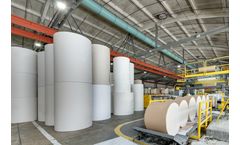
Starch Slurry Filtration: Essential in paper-making, starch slurry provides size and coating to paper sheets, reducing production costs significantly. The Self-Cleaning Filter removes fine grits and undissolved starch particles before spraying, ensuring 24x7 operation, higher throughput rates, and optimal filtration. 2. ...

As winter approaches, many wastewater operators have already begun increasing their solids retention time to prevent the loss of nitrification in the winter. Overall, this makes a lot of sense, as nitrifiers have a slow growth rate and metabolism. However, there is a major shortfall to holding more solids going into the winter. Higher MLSS or MLVSS does not mean more active bacteria in all ...
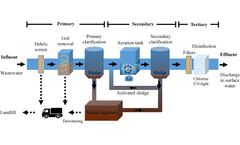
This not only reduces potential damage to equipment later on but also increases overall efficiency during the wastewater treatment process. Grit Removal In grit removal chambers, water flow slows down significantly allowing heavier solids like sand, coffee grounds or similar particles to settle out at the bottom – ...
Sandpaper: Select sandpaper with various grit sizes, each serving a distinct purpose: Coarse Grit Sandpaper(40 to 80): For heavy rust removal and surface shaping, removing thick rust and stubborn deposits. Medium Grit Sandpaper(100 to 150): For general rust removal and surface smoothening after ...
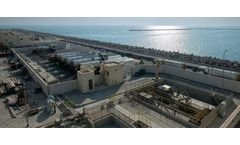
The Muharraq WWTP started operating in 2014 and is currently operating at its maximum design capacity of 100,000 m3/day. Almar Water Solutions has brought to the project, and the region, the capacity to develop the future expansion of Muharraq – the plant has an expansion plan of an extra 60,000 m3/day – or any other water projects under PPP schemes. According to a study by the World ...