
Refine by
Ground Preparation Articles & Analysis
51 articles found
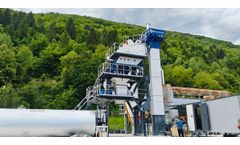
This repetitive transport pattern accelerates chassis wear in ways that standard structural specifications rarely address, making footprint engineering equally critical for ensuring that high-mobility mini asphalt plants for sale remain stable when positioned on uncompacted soil at temporary urban work sites where proper ground preparation is often impractical ...
ByMacroad
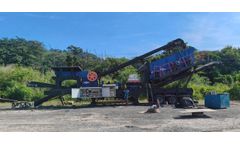
Together, these measures protect the control and electrical infrastructure that governs every aspect of plant performance — and whose failure invariably stops production entirely.Mobility and Site Adaptability in Desert Terrain Conditions Undercarriage and Ground Bearing Pressure for Variable Desert Surfaces Desert terrain is deceptively variable. ...
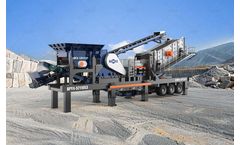
Unloading and positioning. Foundation preparation, even for mobile plants. Commissioning and calibration. Operator training. ...
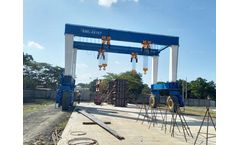
However, the performance, safety, and lifespan of an RTG crane are closely tied to the ground it operates on. Proper ground preparation is critical to prevent structural damage, ensure operational efficiency, and reduce maintenance costs. ...

Gantry cranes, on the other hand, are self-supporting structures. They rely on legs and ground rails or wheels to carry the load. This fundamental difference defines how each crane interacts with its surroundings and determines whether it’s suitable for indoor, outdoor, or mobile operations. 2. ...
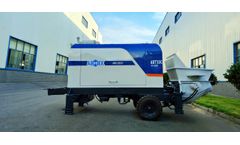
To ensure safe operation, it’s vital to assess the ground conditions thoroughly and make appropriate preparations before placing the equipment. Step 1: Site Assessment and Preparation Before positioning a small concrete pump on muddy ground, a detailed site inspection should be conducted. ...
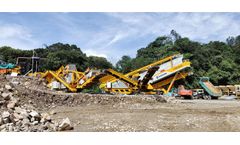
Preparing the ground thus extends beyond the equipment foundation—it also involves ensuring there is enough open space for assembly, maintenance, and future expansions. ...
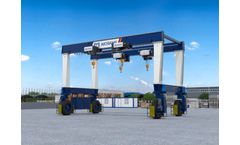
This includes:Evaluating Ground Conditions: Engineers must assess soil bearing capacity, drainage characteristics, and ground level variations. ...

Today, one of the materials widely used in the construction industry is geomembranes. These materials are used in many applications such as waterproofing, environmental protection, waste storage and mining. HDPE (High Density Polyethylene) geomembrane and PVC (Polyvinyl Chloride) geomembrane are among the frequently used materials in this ...
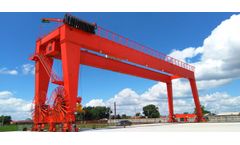
Preparing rails for a rail mounted gantry is a critical process that ensures the efficient and safe operation of the crane. ...

For this article, we’ll discuss how to use jet agitation hydroseeders, since they’re well suited for smaller landscaping needs like residential lawns. 2. PREPARE THE GROUND FOR HYDROSEED Part of learning how a hydroseeder works is understanding the proper way to prepare the ground for hydroseed. ...
Conversely, if your lawn has more patches than not, or you’ve got a lot of dead grass or places where it’s struggling, starting from scratch may yield better results, since there may be an underlying reason that grass isn’t doing well. HYDROSEEDING GROUND PREPARATION FOR EXISTING LAWNS Ground preparation for ...
If it’s had trouble growing grasses or other plants in the past, you may want to adjust the amount of seed you use, or even get a soil test before you begin to make sure you don’t need to use a specialized fertilizer or make other ground preparation measures to ensure your hydroseeded lawn’s success. ...
Similarly with other key nutrients like phosphorus and potassium, you can match the seeds and the soil type to ensure a healthy, thriving start for your seeds. Mistake #2: Skimping on Ground Preparation Ground preparation is quite literally the foundation of any hydroseeding project, so it’s crucial to make sure the ...
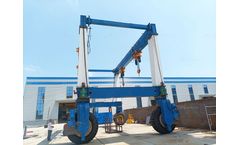
This independence reduces the need for elaborate ground preparations, such as installing rails or fixed supports. The ability to function on existing surfaces without significant modifications streamlines the deployment of RTGCs, resulting in cost savings and faster implementation of material handling solutions. ...
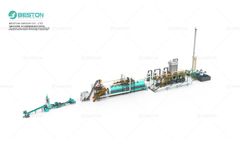
Step-by-Step Setup Guide 1. Site Selection and Preparations Choosing the right location is paramount. Opt for an area with ample space, adhering to environmental regulations. Prepare the ground with a solid foundation, capable of supporting the weight of the machinery. 2. ...
Hydroseeding is the process of quickly applying a uniform mixture of fertilizer, mulch, seeds, and water—referred to as slurry—over a large area of ground. This combination of materials helps ensure consistent and uniform grass or plant growth in areas that can otherwise be difficult to reach and seed. ...

Source: Packaging-Glass-Recycling-in-Europe-Performance-Report-2023 (prepared by Close the Glass Loop). These measures, combined with plans to improve public urban waste collection systems, not only reduce the industry’s carbon footprint but also promote greater efficiency in resource use. ...
It’s also important to note that hydroseeder trucks have a high ground clearance, meaning you’ll need to operate the seeder itself from the truck. ...
Hydroseeding is a process where seed and any combination of fertilizer, lime, biostimulants, moisture retention polymers, tackifiers, and other additives are combined with water and a hydroseeding mulch to form a slurry that is sprayed onto the ground to establish vegetation and control erosion. These ingredients are mixed in a truck or trailer-mounted tank that contains ...