
Refine by
Groundwater Characterization Articles & Analysis
35 articles found
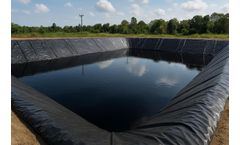
Oil handling and storage infrastructure demands reliable containment to prevent hydrocarbon leakage, soil contamination, and groundwater pollution. For the Oil Pit Project in Agartala, Tripura, a dual-layer HDPE geomembrane system with 1000 micron and 1500 micron liners was implemented to provide primary and secondary containment.Project OverviewProject Name: Oil Pit ...

The Alberta Tier 1 Soil and Groundwater Remediation Guidelines are developed and updated by Alberta Environment and Parks through the legislative basis provided by the Water Act(Government of Alberta, 2000) and the Environmental Protection and Enhancement Act(Government of Alberta, 2006). ...

As part of any Brownfields project, preliminary soil and groundwater tests characterize the nature and amount of contaminants present. A History of potential contaminants arising from previous uses of the property will add to the characterization. Unless there are several peak areas of contamination whose origins are not known, most Brownfield ...

Abstract: Hydraulic testing using wireline deployed water-inflated packers is becoming a common practice for groundwater characterization at mining sites. Packers, designed for diamond drilling, allow for faster, deeper, and more accurate types of testing conducted concurrently with existing coring programs. ...
Abstract: A geochemical model was developed to predict future water quality of the Cove pit lake in support of site closure and regulatory permitting. The terminal, groundwater-fed Cove pit lake began filling in 2001, and water-quality samples from the 15-year filling period were used to calibrate the pit-lake model and evaluate the accuracy of the predictions. Inputs to the ...

CHALLENGE After installing a number of traditional monitoring wells at the site, it became clear to the project scientists that more and better data would be necessary to properly characterize the complex groundwater flow system. SOLUTION The high cost (measured in both time and money) of installing conventional well clusters at high-elevation locations caused ...

Willowstick characterizes seepage flow paths through through the dam Background An engineering company was set to build a new outlet structure for a reservoir. ...
As part of any Brownfields project, preliminary soil and groundwater tests are needed to characterize the nature and amount of contaminants present. History of potential contaminants arising from previous uses of the property will add to the characterization. Unless there are several peak areas of contamination whose origins are not known, most ...

Introduction Surface magnetic resonance is a powerful geophysical method that provides direct, non-invasive detection and imaging of groundwater. However, the ability to obtain reliable and accurate results requires sophisticated instrumentation and software. ...

However, the tank had been leaking for approximately 40 years and there was a significant residual plume of groundwater contaminated with TCE, cDCE and VC. Solution A Funnel & Gate™ in situ passive treatment system was selected using the EnviroMetal Process for the gate treatment media. ...

Shallow groundwater is generally of great interest to the community due to its easy availability. ...
Groundwater is a critical component of the terrestrial water budget and acts as a relatively stable water source in Taiwan. In the present study, river basins' characterization and groundwater storage trends in northern Taiwan are analyzed using the Brutsaert method. ...
Chemical and isotopic analyses of groundwater from piezometers localized around a reclaimed landfill were performed in order to identify the boundaries of groundwater contamination zone. ...

"Understanding historical groundwater recharge provides context to better manage groundwater in the future under a variable climate." ...
Piezometers were installed near all of the OWS, and down-gradient from the conventional OWS for groundwater collection and characterization. Septic tanks, groundwater, SF effluent, and surface waters were sampled each season during 2015 (five times) and analyzed for PO4-P and Cl concentrations and for various environmental parameters. ...
The role of electron donors (Fe2+ and Mn2+) in the autotrophic denitrification of contaminated groundwater by bacterial strain SY6 was characterized based on empirical laboratory-scale analysis. ...
The present continuous fixed bed pilot study was carried out using granular activated carbon made from walnut shell for removal of nitrate from aqueous solution and natural groundwater. The carbon was characterized using SEM, FTIR and BET. The BET specific surface area and average pore size before nitrate adsorption were 1434.6 m2g−1 and 2.08 nm, respectively, ...
Arsenic is a toxic element found naturally in groundwater. Due to its carcinogenicity, risk for heart diseases and diabetes, arsenic needs to be removed from groundwater for potable application. ‘Anjili’ tree sawdust was chemically modified with ferric hydroxide and activated alumina (SFAA) and used as an adsorbent for the removal of arsenic from ...

Since 1992, Headwaters Resources has used fluidized bed combustion products from the AES Thames Cogeneration Facility in Connecticut to improve the pH of groundwater at an active surface coal mine in Pennsylvania, and for ground contour restoration. ...

EPA added a new focus area on high-resolution site characterization (HRSC) to their Contaminated Site Clean-Up Information (CLU-IN) website. ...