
Refine by
Groundwater Elevation Articles & Analysis
31 articles found
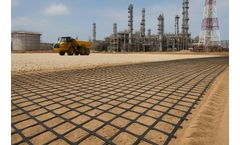
Coastal salinity and environmental factors: Groundwater salinity can be elevated inland from coastal Andhra Pradesh. ...

Fast Dissolved Gas Analysis for Groundwater Age, Recharge and Flow Paths Mass spectrometry for groundwater studies provides real-time detection of transient events and supports reliable, efficient groundwater quality monitoring to help ensure the safety and sustainability of water supplies. ...

Pipeline testing is essential for verifying the integrity of new or rehabilitated pipelines before they are open to service. In North America, ASTM standards such as ASTM C828, ASTM C924, and ASTM F1417 govern procedures for low-pressure air and hydrostatic ...

As winter melts into spring, environmental field teams gear up for one of the busiest times of the year: the spring sampling season. With snowmelt runoff, rising groundwater levels, and increased mobility in field conditions, spring is a critical window for collecting representative groundwater samples—especially in regions impacted by agricultural runoff or legacy contamination. A recent ...

Nitrate is a sneaky molecule that is difficult to remove and can migrate quickly into groundwater. This leads to concerns for elevated nutrients in waterways and can compromise drinking water. ...
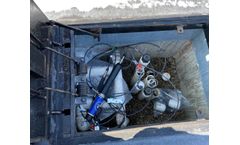
Overview A Southern California groundwater management agency is capitalizing on the latest remote water monitoring technology to simplify and expand access to continuous groundwater data used to ensure a sustainable water future for its service area. ...

In the late 19th century, officials began to notice that buildings were beginning to sink due to land subsidence, a lowering of ground elevation usually due to groundwater depletion. Since then, Lake Texcoco’s empty bed has continued to dry, causing its clay sheets to compress and fracture at an alarming rate. ...
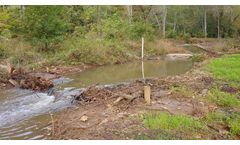
It was anticipated that restoration of the main stream channels would restore groundwater elevations and wetland hydrology, but to what extent was unknown. ...

PHC release documented during 2003 UST removal operations. In 2009 groundwater contamination extended off-site and under adjacent structures. 2003/2004 concentrations Total Xylenes and Total Volatile Petroleum Hydrocarbons (TVPH) in soils above Colorado RBSLs, Threshold Limit Values (TLV), respectively. 2009 no subsurface soil impacts above RBSLs/TLVs documented. ...
Petroleum release was discovered in 2003 during UST removal operations. In 2009 groundwater contamination extended off-site and under adjacent structures. ...

Project Location: Lost Hill, California Engineer: CannonCorp Owner: CannonCorp GC: Todd Companies Project Dates: May 2018 – June 2018 ...

ABSTRACT BOS 200® was injected at a refined petroleum product terminal to remediate LNAPL in groundwater. Within one year after treatment, the site received a No Further Action status. CHALLENGES The remedial goal was to eliminate the reoccurrence of light non-aqueous phase liquid (LNAPL) which persisted with no apparent pattern. Annual fluctuations in ...

The results showed that almost all wastewater generated in Hue Citadel was eventually discharged into water bodies and to the ground/groundwater. This led to most of the phosphorus output flowing into water bodies (41.2 kg P/(ha year)) and ground/groundwater (25.3 kg P/(ha year)). Sewage from the sewer system was the largest source of phosphorus loading into ...

Near-real-time monitoring increased efficiency, reduced costs, and delivered critical insight into groundwater resources Challenge Reduce municipal groundwater monitoring costs, improve data quality, and achieve greater insight into groundwater resources. ...

Groundwater stored in the earth’s crust underpins all our lives – the ultimate source of freshwater for billions has become victim of over-extraction and the ultimate sink for pollutants. For too long, not enough has been done to regulate the use of this precious, on-demand resource and manage disposal of waste. If rates of groundwater depletion have tripled in the past 3 decades, ...

Data were collected from transferred sites over a period of 40 years, and used to capture and store historical environmental information such as analytical chemistry data, groundwater depths and elevations, well logs, well construction data, geo-referenced boundaries, site physical features, and sampling locations from LTS&M sites. ...

Challenge: A subject of considerable research in recent years, sulfate reducing bacteria have been demonstrated to be a dominant factor in the natural anaerobic biodegradation of petroleum hydrocarbons dissolved in groundwater. Antea Group has conducted extensive pilot testing at hundreds of sites across the United States that demonstrate the benefits of enhancing sulfate ...
Arsenic is a known carcinogen found globally in groundwater supplies due to natural geological occurrence. Levels exceeding the internationally recognized safe drinking water standard of 10 μg/L have been found in private drinking water supplies in many parts of Canada and the United States. Emerging epidemiological evidence confirms groundwater arsenic ...
Accurate knowledge of groundwater levels and flow conditions in the vicinity of groundwater-dependent terrestrial ecosystems (GWDTE-s) is required for identifying groundwater dependency and comparing the present situation with the optimal one, as part of the status assessment of groundwaters according to the EU Water Framework ...

Bioreduction also changed the redox chemistry of site groundwater, altering the mobility of several other redox‐sensitive elements present in the subsurface, including iron, sulfur, and arsenic. Following acetate amendment at the site, elevated concentrations of arsenic in the groundwater were observed. Ion chromatography‐inductively coupled ...