
Refine by
Groundwater Risk Articles & Analysis
105 articles found

Additionally, the efficient thermal management of modern pyrolysis plants ensures maximum energy retention, further amplifying the environmental benefits.Reduction of Soil and Water Contamination Improper disposal of industrial waste often leads to the contamination of soil and groundwater. Pyrolysis plant technology mitigates this risk by converting hazardous ...

This case study highlights significant savings from risk-based closure strategies, achieving $400,000 in sampling costs with the deployment of 16 sensors + LiORA Insights over just two ...
ByLiORA
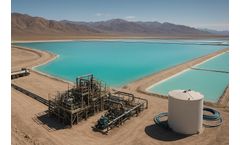
In the Western United States and the Lithium Triangle of South America, operations compete with local communities for groundwater, creating environmental pressure and operational risk. When water becomes tighter, production can slow and restrictions may be imposed. To mitigate these risks, lithium miners are adopting advanced treatment and reuse ...
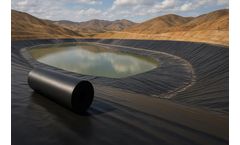
Excellent impermeability to prevent leakageOutstanding chemical resistance to acids, alkalis, and saltsStrong UV resistance for outdoor, harsh environmentsHigh tensile strength and puncture resistanceLong service life under extreme conditionsKey Applications in MiningTailings pond liner: Prevent leakage of toxic mining waste into soil and groundwaterHeap leach pad liner: Contain chemical leaching ...

Client Overview Our client operates a portfolio of 350 active retail fuel sites located across multiple regions. These stations are involved in both fuel retailing and bulk transfer, and are predominantly equipped with underground fuel storage tanks (USTs). Our client is responsible for approximately 1,000 sites, which include both active and legacy sites. Over the past few years, the client has ...
ByLiORA
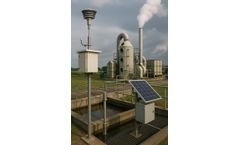
Broader Geosynthetics Applications Soil stabilization: improved shear strength in weak or expansive soils Erosion control: surface protection for embankments and slopes Drainage improvement: geotextiles and geocomposites maintain permeability while reducing soil migration Environmental protection: lining systems in landfills and water containment Site Conditions and Challenges in Guwahati, ...

As a result: Engineers need environmental context to make informed design decisions Environmental teams need subsurface and groundwater data to model risk pathways Compliance teams need traceable, auditable data flows Managers need integrated reporting instead of fragmented spreadsheets This shift is accelerating adoption of modern EDMS alternatives that move ...

• New risk-based criteria for reusing biosolids and other resource recovery products contaminated with PFAS. ...
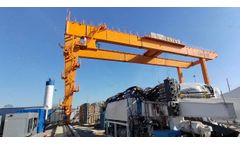
Site Evaluation and Soil Preparation Before construction begins, conduct a thorough site analysis to determine the soil conditions, groundwater levels, and frost depth. A. Soil Testing Perform geotechnical tests to analyze: Soil type (clay, sand, gravel, or permafrost). Load-bearing capacity of the ground. Groundwater levels and risk of water ...

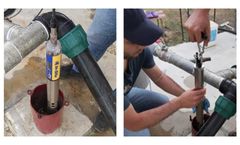
The trench, integrated with R-Tanks, collects and stores stormwater, reducing runoff and flood risks by facilitating groundwater infiltration. The firm required a reliable sensor capable of monitoring water levels and transmitting data wirelessly for remote monitoring. ...
” MEDSAL identifies groundwater salinization as the predominant threat to groundwater quality and availability in the Mediterranean. ...

What is the Australasian Land & Groundwater Association (ALGA) New Zealand Land and Groundwater Conference ...
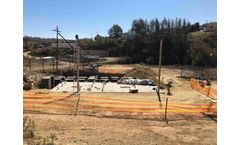
BIOROCK systems can treat wastewater to an acceptable level for environmental discharge, eliminating the requirement for soak-aways, and reducing the risk of groundwater pollution. Given the gradient across the site, the BIOROCK installation can operate entirely under gravity, thereby eliminating the requirement for pumps. ...

The Rhode Island regulations aim to establish a consistent and integrated program for reporting, investigating, and remediating contaminated sites to effectively manage risks to human health and the environment. They set clear cleanup objectives for soil and groundwater based on current and future land use.2. ...
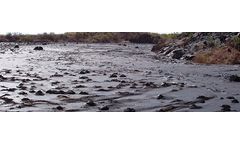
The resultant soil pollution poses significant risks to terrestrial ecosystems, groundwater quality, and public health. ...
By removing and capturing contaminants, the process minimizes the risk of groundwater contamination, soil degradation, and air pollution.Compliance with Environmental Regulations: The use of Thermal Desorption Units aligns with global and national environmental regulations, providing a compliant and responsible approach to waste management. ...
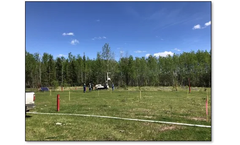
The textbook approach to new or legacy spills is to ensure that you have a vertical and horizontal delineation of the pollutants. This understanding of how deep and wide your pollutant has travelled is essential before you can begin any remediation, restoration, or reclamation process. The rationale for this approach is that we should not begin a remediation process until we have enough ...
ByLiORA

By converting them into valuable products, the need for vast tyre landfills is diminished, mitigating the associated environmental risks, such as soil and groundwater contamination. 2. Energy Recovery: Pyrolysis generates pyrolytic oil, a valuable fuel source that can be used for various applications. ...
These cuttings often contain hydrocarbons, heavy metals, and other contaminants, making them hazardous waste materials.Environmental ImpactImproper disposal of drill cuttings can lead to soil and groundwater contamination, posing serious environmental threats. To address this issue, the oil and gas industry must adopt efficient and eco-friendly solutions for drill cuttings ...
The reduced burden on landfills also alleviates the risk of soil and groundwater contamination, a consequence of leaching chemicals from disposed plastics.Emission ReductionThe positive influence of plastic to fuel machines extends beyond waste management. ...