
Refine by
Habitat Conservation Articles & Analysis
43 articles found

By recycling our waste, we save energy; recycling 10 plastic bottles saves enough energy to power a laptop computer for 25 hours. By facilitating the conservation of natural resources, recycling reduces the need to extract wood, water or minerals to make new products. ...
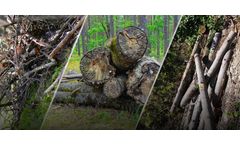
By shifting to forest waste, this practice reduces the demand for timber, conserving natural habitats and supporting sustainable forest management. ...
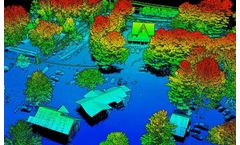
By continuously updating evacuation maps and dynamically adjusting routes based on real-time conditions, INS enhances public safety and ensures timely evacuation of at-risk populations, reducing the likelihood of casualties and facilitating orderly evacuations. Wildlife Monitoring and Conservation In the wake of natural disasters, ecosystems and wildlife ...
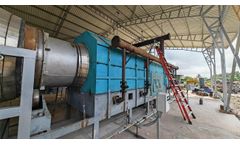
This meticulous control guarantees a superior end product, meeting the highest industry standards. Environmental Conservation: A Core Pillar Biodiversity Preservation Bamboo cultivation, integral to the bamboo charcoal making machine, aids in biodiversity preservation. ...

This process converts used tires into valuable products, reduces the environmental burden of tire waste, and offers several compelling benefits:Pollution Reduction: Tire pyrolysis reduces pollution by preventing tire fires, minimizing chemical leaching, and reducing the carbon footprint associated with tire disposal.Resource Recovery: The pyrolysis process generates valuable byproducts, such as ...

By understanding an animal's cognitive abilities, researchers and caregivers can provide stimulating environments, activities, and social interactions that promote well-being and reduce stress for animals in captivity. 5. Species conservation: Cognitive behavioral tests can be used to study endangered or threatened species, helping conservationists understand the cognitive ...

SARA permits the federal government to take measures to protect at-risk species and their natural habitats. The government can also partner with provinces, territories, landowners, First Nations, Inuit and other individuals or groups invested in developing and executing habitat conservation plans. ...

Agricultural purposes include, but are not limited to, idling land for conservation uses (e.g., habitat; pollinator and wildlife management; and water storage, supply, and flood management); irrigation tailwater storage; crawfish farming; cranberry bogs; nutrient retention; and idling land for soil recovery following natural disasters like hurricanes and drought. ...

The study found that broadcasting healthy reef sound doubled the total number of fish arriving onto experimental patches of reef habitat, as well as increasing the number of species present by 50%. ...
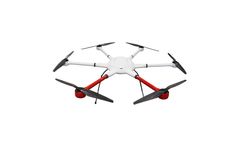
Environmental monitoring and conservation Much like how farmers use commercial grade drones to monitor crops and animals, the technology can be utilized to keep tabs on ecological environments. ...

Federal agencies such and the US Bureau of Reclamation, The US Department of Agriculture National Resources Conservation Service (NRCS) and state soil water conservation districts provide daily ET rates along with crop coefficients for local crops for network of ET stations. ...

Despite this, aircraft, wind farms, drones, telecommunication towers and other anthropogenic infrastructure increasingly crowd this critical habitat. Current species conservation efforts are generally focused on terrestrial and aquatic habitats, but not on airspace as a similarly important ecosystem. ...
ByEnsia

Globally, marine conservation is high on the agenda. The need to protect and conserve species and habitats from deleterious anthropogenic impacts has never been of more concern than it is currently. However, that is not to say we, as a society, are achieving effective marine conservation, in fact we are far from it. Global ...

The study identifies several areas in the Dakotas where honey bee habitat can be targeted for conservation, to increase forage availability and reduce the use of chemicals that negatively impact ...
The networks of MPAs taken into account in the analysis are those established under the framework of: the EU nature directives, i.e. the Habitats and Birds Directives (Council Directive 92/43/EEC of 21 May 1992 on the conservation of natural habitats and of wild fauna and flora; and Directive 2009/147/EC of 30 November 2009 on the ...
Reducing our consumption of animal products can go a long way toward conserving endangered habitat around the world. Agriculture expansion is the leading driver of natural habitat loss worldwide. ...
ByEnsia

The dunes sagebrush lizard (Sceloporus arenicolus) is a habitat specialist of conservation concern limited to shin oak sand dune systems of New Mexico and Texas. Because much of the dunes sagebrush lizard's habitat occurs in areas of high oil and gas production, there may be direct and indirect effects of these activities. ...
As demand grows and habitat disappears, scientists ponder tighter controls on the Antarctic krill harvest. ...
ByEnsia
Assessments of EU conservation status were made for all habitats and taxa (mostly species but also some subspecies or other taxonomic levels) which are listed in Annexes I, II, IV and V of the Habitats Directive, based on the reports received from Member States. ...

Additionally, the Convention on Migratory Species (CMS) recognised the need for measures other than just habitat conservation. This broader approach was also followed by the Directive 2009/147/EC of the European Parliament and of the Council on the conservation of wild birds (better known as the Birds Directive). ...