
Refine by
Hatchery System Articles & Analysis
7 articles found
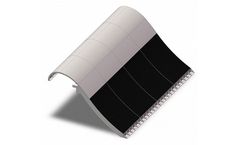
A Coanda effect inlet screen is a passive, self-cleaning filtration system installed at the head of a water intake structure. It uses the Coanda effect phenomenon, where a fluid flow tends to follow a curved surface to naturally direct water across a curved wedge wire screen. ...
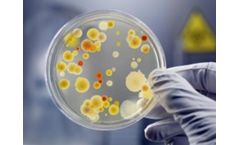
With consistent application in hatcheries, maturation, and RAS systems this appears to last for the duration of the application. ...

Project Overview Wayne-Sanderson Farms, a Fortune 1000 company produces, processes markets and distributes fresh and frozen chicken. One of their North Carolina hatchery locations was experiencing issues with their current reverse osmosis (RO) system used to treat water during the humidification process.For hatcheries, there are four primary ...
AI, IoT, ROV, M2M. These are some acronyms that have been hurled around in the corporate world, which in recent years have made their way to the waters of the aquaculture industry. Have you been thinking of betting your money on deploying a high-tech equipment in your hatchery facility? Here are a few pointers that can help you cut the risks associated with high-tech adoption, stack the odds in ...
The main innovation components are to: use selective breeding to increase harvesting yield, and apply ground-breaking direct seeding on specially designed substrates to save time, energy and money in the hatchery phase. Furthermore, we plan to optimize M. pyrifera cultivation in the open ocean through site-specific adaption and techno-economic modeling of a proven offshore ...

Hatcheries, fish farms and such in the aquaculture industry require clean water to maintain a high survival rate while rearing aquatic animals. Contaminated water increases the risk of infection which in turn can compromise production. A common way to disinfect water is by generating ozone on-site with an ozone generator, which is commonly inside an ozone generator room. For human safety, the ...
Water leaving the final ten raceways flows to an on-site wastewater treatment plant that consists of chemical dosing, clarification and polishing pond before discharge back to the lake. The hatchery system is permitted for a maximum flow of 42,000 m3/day (11 MGD) but typical rates are 32,000 m3/day (8.5 MGD). ...