
Refine by
Hazard Analysis Articles & Analysis
170 articles found

Furthermore, test data support safety modeling, hazard analysis, and compliance with both internal and regulatory standards. ...
ByMatexcel
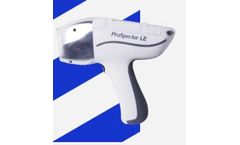
Wood has been part of human life for millennia - from a childhood understanding of it as the “trunk of a tree” to recognizing it as an anisotropic, fibrous material widely used in construction, paper production, furniture manufacturing, chemical industries, arts, and even as fuel. Chemically, wood is a complex structure containing a range of organic compounds and various chemical ...

What is traceability in food safety testing? Traceability means a complete understanding of today’s complex food chain and testing at control points where contamination is likely to occur. Understanding the source of all raw ingredients, the CoA (Certificate of Analysis) report, other test results, and all associated documentation is critical. Globally sourced food faces challenges in ...

On April 12, 2024, the Occupational Safety and Health Administration (OSHA) released an updated version of its “Head Protection: Safety Helmets in the Workplace” Safety and Health Information Bulletin (SHIB). This revised version builds on the November 2023 release, clarifying critical points about head protection types, classes, and factors to consider when selecting protective ...
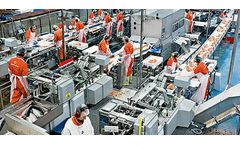
Quality management in food processing is crucial for food safety, consistency, and compliance with regulatory standards. It includes strict processes to control production, from sourcing through to ...

The sash window provides both containment and protection from hazardous materials. Job Hazard Analysis The Occupational Safety and Health Administration (OSHA) defines a hazard as “a condition or activity that, if left uncontrolled, can result in an injury or illness.” If there are potential hazards ...
(MAI) offers a full range of environmental services including Wet Chemistry, Microbiological and Aquatic Toxicity testing as well as analytical testing services for drinking water, waste water, storm water, metals testing, soil testing, volatile organic compounds (VOC’s) testing, hazardous waste, and food analysis for a wide variety of chemical compounds ...

To ensure the existence of a functional food safety management system, food agencies have established the Hazard Analysis Critical Control Point (HACCP) system. This system is a complex management tool that consists of many different stages that need to be fulfilled. ...
ByFoodDocs

A critical limit is a range of maximum and minimum values used as a reference in controlling a critical control point (CCP) to reduce or eliminate any potential hazard. Critical limits must be measurable, observable, and can be monitored during the actual operations for the control of food safety. Establishing a critical limit is based on the identified potential ...
ByFoodDocs
Digital software can be used to ensure the successful implementation of a HACCP plan The Hazard Analysis Critical Control Point (HACCP) is a complex and systematic program that uses a preventive approach toward food safety assurance. ...
ByFoodDocs
These systems would include building a Hazard Analysis Critical Control Point (HACCP) plan where any food safety risks and any potential hazards related to your processing facility and operations are listed, analyzed, and addressed by the food safety team. ...
ByFoodDocs
The now internationally known food safety management system Hazard Analysis Critical Control Point or HACCP was first made as a systematic approach to help space explorations in the early 1960s. ...
ByFoodDocs
HACCP training programs ensure that employees know about HACCP and prevent food safety hazards from causing food safety concerns such as foodborne illness outbreaks. ...
ByFoodDocs

Bulk, fibrous biomass is notoriously challenging to handle. This fact should not prevent investment in biomass-derived products, however. It’s being done successfully every day, but it takes special knowledge, experience, and machinery. Engineers working on biomass projects must educate facility owners on the best solution for handling the material. Identifying this solution, of course, ...

High risk industries, like the chemical and manufacturing industries, are highly regulated to help prevent Major Accident Hazards like explosions, fires and toxic chemical releases-but it wasn’t always that way. ...

Major Accident Hazards and critical safety issues are inherent in the processes involved in refining, mining, chemical and other primary —particularly if those processes don’t work as planned. ...

That’s why since the 1960s, food processors have relied on the seven principles of Hazard Analysis Critical Control Points, or HACCP for short, to develop their safety plans and keep consumers healthy. ...

Consequently, it is used in the analysis of the chemical composition of rock materials. Human dependence on groundwater for various uses such as drinking water necessitates the need for extensive analysis and understanding of groundwater chemistry. Since geologic formations and atmospheric gases such as carbon dioxide, chemical analysis is a ...
Some equipment or products are so sensitive that the slightest invisible contaminant can harm them. In places such as data centers or pharmaceutical facilities, these contaminants should be well monitored and eliminated, otherwise, they could disrupt operations or endanger consumers. Ensuring that cleanrooms are free from contaminants is one-way companies can earn the trust of clients and get ...
ByAKCP

As a Star site, Brentwood management and labor work cooperatively and proactively with OSHA to focus on hazard prevention and control, worksite analysis, trainings, management commitment, and worker involvement. ...