
Refine by
Hazard Communication Articles & Analysis
206 articles found

Introduction: Regulations Driving Innovation Methane (CH4) is a greenhouse gas with a global warming potential over 80 times stronger than CO2 over a 20-year horizon. For oil and gas operators, controlling fugitive methane emissions is no longer optional – it is a regulatory and reputational necessity. The U.S. Environmental Protection Agency (EPA) is tightening its framework with new ...
ByOPGAL

Explosion-Proof Certification (Ex d/Ex i): Required for hazardous areas. 6. Output & Communication Analog (4–20 mA, 0–10 V): Standard for PLC/DCS integration. ...

Problem The presence of hexavalent chromium in the ground water surrounding a western US community presented significant health hazards to residents and local wildlife. ...

Key Areas Covered: These standards regulate air and water quality, waste management, soil contamination, hazardous materials, carbon emissions, and biodiversity protection.3. Major Regulations: Examples include the Clean Air Act (CAA), Clean Water Act (CWA), Resource Conservation and Recovery Act (RCRA), and the Paris Agreement for climate goals.4. ...
The harm from dust spans from health hazards to workers and the surrounding community, causing environmental problems and operations inefficiencies. ...
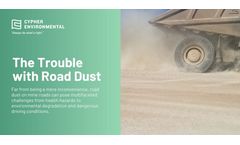
Fine particles, ranging from respirable dust (PM2.5) to coarse particulate matter, become airborne as vehicles traverse unpaved roads posing respiratory hazards to workers and nearby communities. What are the effects of road dust? ...

Slow down and adjust driving speed to accommodate challenging road conditions. Use warning signals, hazard lights, and communication devices to coordinate with escort vehicles, drivers, and transportation authorities in case of emergencies or road obstacles. ...
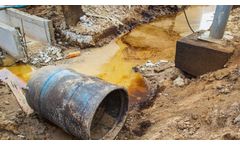
Public Health Officials: To assess potential health risks associated with exposure to contaminants in the environment, plan public health interventions, and communicate risks to the public. Community Advocacy Groups: Organizations representing the interests of communities near hazardous waste sites use this information to ...

Rapid urbanization, industrialization, and population growth have led to an increase in the generation of various types of waste, including hazardous materials. Improper disposal practices have resulted in environmental pollution, soil contamination, and health hazards for communities across the country.Traditional waste disposal methods, such as ...

They utilize cutting-edge sensor technology, advanced data processing capabilities, and robust communication protocols to provide real-time monitoring and accurate detection of various hazardous gases. ...
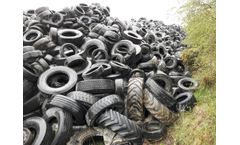
Improper disposal or abandonment of tyres not only takes up valuable land space but also presents a severe environmental hazard.2. Environmental RisksTyres, when left in open spaces or landfills, can release harmful chemicals into the soil and water. ...

Whether it’s an irrigation pond, a golf hazard, or a communal lake, keeping it clean is a perpetual struggle and ceaseless chore. ...
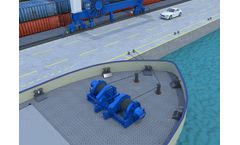
Safety Boots: Offer foot protection in slippery and potentially hazardous environments. Adhere to Proper Communication Protocols Effective communication is essential during mooring operations. Crew members must establish clear communication channels and adhere to protocols such as: a. Hand Signals: Develop a set of standardized ...
The team members need to know the potential hazards, communicate well, make decisions, and plan for emergencies. This diverse skill set allows you to prevent dangers and take quick, safe actions in emergencies. ...
Hazardous Waste Operations and Emergency Response (Hazwoper) is a crucial component in safeguarding the occupational safety of individuals involved in dealing with hazardous waste and emergency situations. ...
This sudden covering can cause serious physical harm or suffocation. Unforeseen Hazards: Confined spaces can be unpredictable, so workers may face unexpected hazards. ...
To others, this very silence can be a forewarning of an approaching hazard. Building a clear communication bridge is crucial to prevent confusion and ensure everyone understands and follows safety protocols. Embracing Technology for Enhanced Communication Technological advancements play a significant role in enhancing ...

The Classification, Labelling, and Packaging (CLP) Regulation ensures that hazardous substances and mixtures are managed, communicated, and labelled consistently and securely. Annex VIII to the CLP Regulation dictates the Unique Formula Identifier (UFI) requirements and your obligations to notify Poison Centres of hazardous mixtures on the ...
The CLP (Classification, Labelling and Packaging) pictograms are essential for communicating information about the hazardous properties of a substance or mixture. This article will provide an overview of these pictograms and explain how they are used in hazard communication. The CLP Regulation is a legal requirement for all ...

OSHA publishes the list to alert employers about these commonly cited standards so they can take steps to find and fix recognized hazards addressed in these and other standards before OSHA shows up. Far too many preventable injuries, illnesses, and deaths occur in the workplace that are related to these top 10 cited standards. Fall Protection, construction (29 CFR 1926.501) ...