
Refine by
Hazard Control Articles & Analysis
240 articles found
Introduction Hazardous waste incineration and rotary kiln roasting processes generate complex flue gases containing high concentrations of carbon monoxide (CO), sulfur dioxide (SO₂), nitrogen oxides (NOₓ), hydrogen chloride (HCl), hydrogen fluoride (HF), volatile organic compounds (VOCs), and even dioxins.As environmental regulations such as China’s GB 18484-2020 Standard for ...

Introduction Welding operations in industrial workshops generate fumes that contain fine particulate matter and hazardous gases. These fumes, if not effectively controlled, can accumulate in the workspace and expose workers to unsafe conditions. ...

ELV, or End-of-Life Vehicles, refers to regulations that restrict the use of hazardous substances in automotive components. These regulations aim to reduce environmental pollution and promote safe recycling and disposal of vehicle parts. ...

Thermal runaway occurs when exothermic reactions within a battery accelerate uncontrollably, producing rapid temperature rise, gas release, and potential fire or explosion hazards. Thermal runaway testing involves controlled experiments designed to deliberately trigger these events at the cell, module, or pack level. ...
ByMatexcel
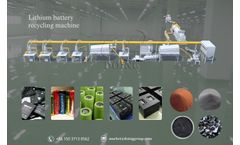
What's more, our equipment is paired with an advanced exhaust gas treatment system, controls dust and hazardous gases, eliminating pollution risks and avoiding costly fines. ...
Food processing plants invest millions in hygiene zones, cleanrooms, and rigorous quality control, but what about the process air moving through your production lines? In operations handling fine powders, sticky dust, or allergens, the air inside dust collection and extraction systems comes into direct contact with raw materials. If that air passes through untested or uncertified filters, it can ...

Lower Operational Costs The PLC-controlled automation system minimizes manual operations. This reduces labor costs while ensuring stable 24/7 processing, maximizing output and significantly reducing the processing costs per ton. 3. ...
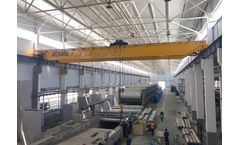
The remote operation can include all standard crane functions: hoist motion, trolley movement, bridge travel, and even advanced features such as precise load positioning, anti-sway control, and speed modulation.Why Remote Control is Essential in Hazardous Environments Hazardous environments are defined by conditions that pose a ...

These systems protect workers from potential hazards by controlling the mixer’s functions. For instance, they prevent the mixer from running if the drum is open. ...
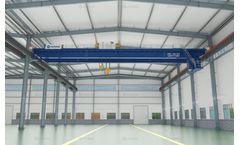
Remote Control Systems Remote control systems allow the crane operator to control the crane wirelessly from a safe distance using a hand-held transmitter. ...

Introduction India’s energy sector is undergoing a critical transformation, focusing on infrastructure modernization, environmental compliance, and safe fuel storage. A prime example of this evolution is the AV Gas (Aviation Gasoline) Project by Indian Oil Corporation Limited (IOCL), located in Paradip, Odisha-a region vital to India’s fuel logistics on the eastern coast. As part of ...

What is traceability in food safety testing? Traceability means a complete understanding of today’s complex food chain and testing at control points where contamination is likely to occur. Understanding the source of all raw ingredients, the CoA (Certificate of Analysis) report, other test results, and all associated documentation is critical. Globally sourced food faces challenges in ...
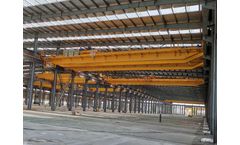
Hoist Brand: Choose a hoist from a reputable manufacturer to ensure durability and performance. 4. Consider Control Methods Control methods impact crane safety and ease of operation. ...
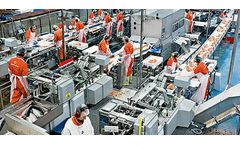
Quality management in food processing is crucial for food safety, consistency, and compliance with regulatory standards. It includes strict processes to control production, from sourcing through to ...
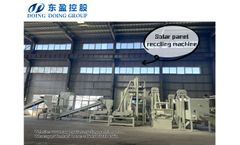
Understand the legal requirements for handling hazardous materials, waste disposal, and emissions control. Complying with these regulations may involve additional costs, such as obtaining permits, licenses, and certifications. ...

These essential devices protect laboratory personnel from hazardous fumes and ensure a controlled work environment. Fume hoods stand out as significant energy consumers due to their constant air volume exhaust systems. ...

The EPA’s Resource Conservation and Recovery Act (RCRA) has a “Cradle-to-Grave” rule stating that generators of hazardous waste are ultimately responsible for controlling the substances that they produce. The minute you wash down a fork truck battery or open a can of solvent you are a hazardous waste generator. According to this ...

The thermal desorption unit is a versatile technology designed to treat various types of oily hazardous waste, effectively mitigating environmental risks and ensuring regulatory compliance. ...
Regularly inspect and maintain critical components such as heating elements, pressure vessels, and control systems to prevent malfunctions and breakdowns. Hazard Identification and Risk Assessment: Conduct thorough hazard identification and risk assessments to identify potential hazards associated with machine operation, ...

Biosafety cabinets, on the other hand, are designed to protect both the worker and the environment from hazardous biological materials.What is a Fume Hood? A fume hood is a type of laboratory equipment that provides protection from hazardous fumes and vapors generated during laboratory procedures. ...