
Refine by
Hazardous Disposal Articles & Analysis
240 articles found
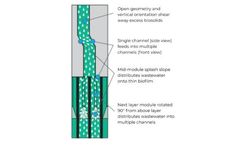
The system is designed to achieve effluent quality parameters as outlined in the corresponding table, with a treatment capacity of 2.5 m³/hour (11 gpm).The resulting biological sludge is non-hazardous and can be disposed of in a standard landfill or composted. Treated effluent meets the performance requirements defined in the project and complies with local ...
Through multiple successful projects across China, CADAIR has demonstrated how hazardous waste incineration exhaust can be transformed from an environmental liability into a source of recoverable energy. ...
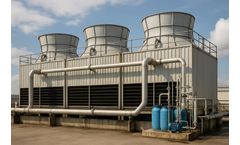
While effective in preventing corrosion and fouling, these programs require handling of potent liquids, carry spill risks to personnel, and generate hazardous wastewater for disposal, contributing to ongoing chemical and disposal costs. ...
Modern solvent recovery systems can help manufacturers: Recycle valuable solvents Reduce raw material purchasing costs Lower hazardous waste disposal costs Reduce energy consumption Reduce carbon emissions Improve sustainability performance CADAIR Environmental Technology specializes in integrated VOC treatment and solvent recovery solutions for industries ...

Among the most problematic waste streams, discarded tires occupy a particularly critical position due to their non-biodegradable composition, massive accumulation rates, and potential environmental hazards. Traditional disposal practices such as landfilling and open-air incineration have proven increasingly unsustainable. ...
Mitigation of Soil and Water Contamination The improper disposal of oil sludge poses a severe threat to the environment, especially to soil and water quality. ...
When you are evaluating treatment media, you usually need answers fast. What contaminants can this media remove? Which product is the right fit for the water chemistry you are dealing with? What is happening at the chemical level that makes the treatment work? Those are the questions we had in mind when we created Sorbster’s new Heavy Metals & Contaminants Removal Product Line ...
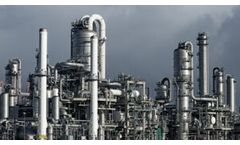
Most chemical waste can be categorized as hazardous waste depending on the disposal procedure recommended. Here are Some Examples of Chemical Waste: Manufacturing or Laboratory By-Products Solutions and Chemicals for Film Processing Reagent grade chemicals Chemically Contaminated Objects – Syringes, Needles, Razors Chemical Powders Spent Solvents ...
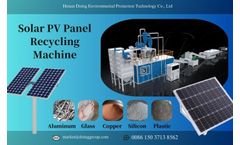
Environmental Protection: Preventing Toxic LeakageSolar panels contain heavy metals (lead and cadmium) and hazardous substances. Improper disposal can negatively impact the environment. Recycling effectively removes these hazardous substances from the solar panels, preventing them from entering soil and water sources and reducing damage to the ...
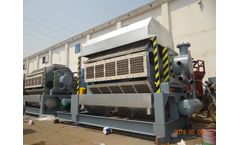
This closed-loop approach not only conserves natural resources but also reduces reliance on landfills and incineration, mitigating environmental hazards associated with plastic disposal. Versatility and Industry Adoption The adaptability of a tray making machine allows for the production of various tray types, catering to diverse industry needs. ...
Managing medical waste disposal cost is a constant challenge for medical waste processors. Fuel and landfill fees are getting higher and regulations are getting tighter, which means it’s getting more expensive to maintain disposal equipment. At the same time, more hospitals and healthcare facilities want to work with companies that prioritize environmental responsibility while offering ...

Manufacturers must control air emissions, wastewater discharge, and hazardous waste disposal. Laws like the Clean Air Act (CAA) and the Resource Conservation and Recovery Act (RCRA) set strict pollution limits. 5. ...

Agriculture needs to regulate pesticides and runoff – The Food Quality Protection Act (FQPA) and CWA prevent harmful chemicals from entering water supplies. 7. Healthcare facilities must dispose of hazardous waste properly – The Hazardous Waste Pharmaceuticals Rule (RCRA) ensures safe medical waste handling. 8. ...
The composition of oil sludge can vary, but it often contains heavy metals, hazardous chemicals, and toxic substances, making it a significant environmental threat if not properly treated.The improper disposal of oil sludge can have devastating effects on the environment. ...

These standards ensure that activities such as waste disposal, emissions control, water usage, and resource management are conducted to protect human health, ecosystems, and natural resources.Key Takeaways on Environmental Compliance Standards 1. ...
The Hoskinson Medical Waste Plant has been disposing of the Hospital's bio-hazardous waste efficiently and effectively. ...
Hoskinson’s method of disposing of the most hazardous waste has been used in the medical disposal industry for ...
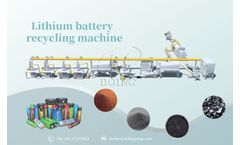
The recycling process not only helps recover valuable materials but also prevents environmental pollution from improper disposal. Here, we will explore the qualifications and procedures required for the effective recycling of waste power lithium batteries. ...
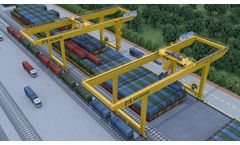
This includes recycling used parts and responsibly disposing of hazardous materials. 6. Integration with Green Port Initiatives Many ports are adopting green port initiatives aimed at reducing the overall environmental impact of port operations. ...
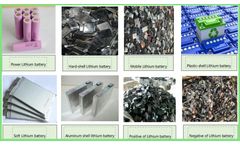
Recycling these batteries not only reduces the dependency on raw material extraction but also mitigates environmental hazards associated with improper disposal. The amount of materials that can be recycled from waste lithium battery through lithium battery recycling equipment largely depends on the type of lithium batteries, the recycling technology used, and the ...