
Refine by
Hazardous Dust Articles & Analysis
86 articles found
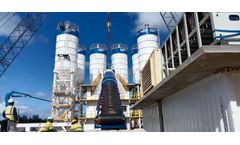
It requires a coordinated architecture of containment, capture, filtration, and suppression technologies applied systematically across every dust-generating process in the plant's operational cycle. The following technical review addresses the primary dust generation mechanisms in batching plant operation and the engineering technologies that current best ...
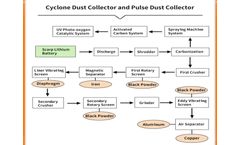
Battery recycling equipment crushing and sorting system Eco-Friendly and Sustainable: To address potential dust and hazardous gas emissions generated during the battery crushing process, Doing’s lithium battery recycling equipment is outfitted with a specialized pulse dust removal system and exhaust gas purification units. The entire ...
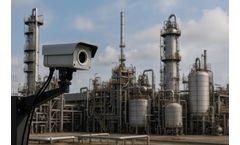
Fixed OGI systems must embed AI to avoid false alarms, the Achilles heel of early automated solutions. False alarms arise when non-hazardous events such as steam, fog, dust plumes, birds, or environmental temperature shifts trigger detections. Contextual plume analysis mitigates this risk through: Context: distinguishing steam/dust movement from ...
ByOPGAL

What's more, our equipment is paired with an advanced exhaust gas treatment system, controls dust and hazardous gases, eliminating pollution risks and avoiding costly fines. ...

Efficiency and longevity of dust extraction systems through proper filter maintenance Regular maintenance of dust collectors is crucial for a safe and productive working environment. Dust collectors play an important role in capturing airborne particles. These particles can pose significant health risks and affect the performance of machinery. By properly maintaining filters, you can ...

Equipped with an exhaust gas treatment system, it effectively controls dust and hazardous gases, eliminating pollution fines and ensuring regulatory compliance. ...
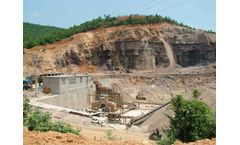
Operating a stone crusher plant in such settings comes with unique challenges: excessive dust, unpredictable weather, high humidity, and even strong wind conditions. ...

Battery assembly also involves potential hazards, such as micro short circuits or localized overheating, which can lead to thermal runaway events. ...

According to the WHO, ‘fine particulate matter at PM2.5 can penetrate through the lungs and further enter the body through the blood stream, affecting all major organs’. Exposure to dust at PM2.5 can cause serious disease to the respiratory system, such as lung cancer and COPD, and also can effect cardiovascular diseases, such as a stroke. ...

When it comes to health and safety in the workplace, real-time monitoring and real-time data is vital to managing control measures for exposure to hazardous substances, whether it be dust, gases or other substances. Real-time monitoring allows workplaces to see spikes in exposure do something about it. ...

Establishing any construction project is a careful balancing act between many legal, financial and social responsibilities. Firms not only have a responsibility to shareholders and business partners, but to their workers, the local authority and site neighbours in the wider community as ...
ByCasella

Explosion-Proof Magmeters Description: Designed to operate safely in hazardous environments where explosive gases or dust may be present. Applications: Used in chemical plants, oil refineries, and mining operations. Advantages: Ensures safety in hazardous areas. Compliant with industry safety standards. Limitations: Higher cost due to specialized ...

The semiconductor industry’s pursuit of smaller, faster, and more efficient chips presents a growing challenge: silica management. Silica is integral to chip production, from raw materials like silica ingots to manufacturing processes. Effective silica management solutions for semiconductor companies are crucial for both product quality and adhering to environmental regulations. ...

Dust suppression is a major concern for construction companies—whether they're planning residential or commercial projects. The harm from dust spans from health hazards to workers and the surrounding community, causing environmental problems and operations inefficiencies. Faced with these challenges, construction firms are constantly ...

Fire Protection and Containment: Ceramic fiber squares are used in fire protection applications, such as firewalls, linings for fire doors, and containment for hazardous materials. Their fire resistance and thermal insulation properties provide effective protection against fire and heat damage. ...

Manufacturing plants, processing facilities, and industrial locations all have the potential to produce hazardous dust. Toxic dust that collects or is dispersed in the air can harm employees’ health. Toxic dust can cause respiratory difficulties, and hazardous materials can lead to fires and explosions. ...
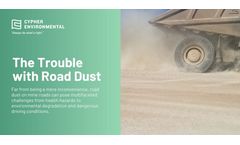
Fine particles, ranging from respirable dust (PM2.5) to coarse particulate matter, become airborne as vehicles traverse unpaved roads posing respiratory hazards to workers and nearby communities. ...

As the pollution level is increasing, it becomes crucial for everyone to take preventive measures before going outdoors. Dust is a hazardous pollutant that can lead to severe diseases, including respiratory diseases and cancer, and it can also lead to death. ...
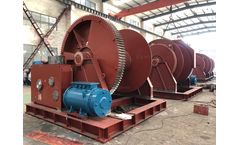
Operating Environment: Assess the environmental conditions where the winch will be used, such as temperature range, humidity, exposure to water or chemicals, and potential hazards like dust, debris, or corrosive substances. Duty Cycle: Consider the frequency and duration of use for the winch to ensure it can handle continuous or intermittent operation without ...
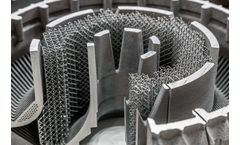
Reduced mechanical properties can result from brittleness or reduced tensile strength caused by excessive oxygen exposure. In addition, dust from the metal powders can be combustible when exposed to oxygen. ...