
Refine by
Hazardous Process Articles & Analysis: Older
212 articles found
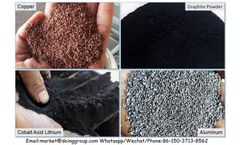
What are the challenges of lithium ion battery recycling process? Safety is the first major challenge. Lithium ion batteries contain flammable electrolytes and reactive materials. ...

Here’s a more detailed look at their use: Key Applications: Petrochemical Plants: Managing the flow of various chemicals, hydrocarbons, and other process fluids. Chemical Processing Facilities: Handling corrosive and hazardous chemicals in various manufacturing processes. Pharmaceutical Production: Ensuring precise control ...

Types of waste managed Each type of waste-solid, liquid, hazardous, etc.-requires a specific management process to maximize its use and reduce environmental impact. ...
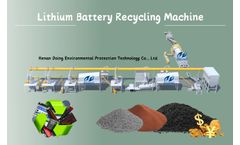
Proper recycling ensures that these hazards are minimized. The Recycling Process of lithium battery recycling machine Taking DOING lithium battery recycling machine as an example, the recycling process is introduced in detail, including feeding, shredding, pyrolysis, air separation, fine crushing and multi-group screening system, exhaust gas ...
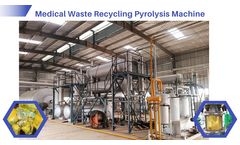
Medical waste can be processed using pyrolysis technology, and recycling it through this method offers several advantages. ...
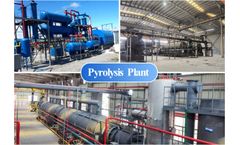
This process helps to recover valuable oils and reduce the volume of hazardous waste, making it an essential technology for managing oily waste. (4) Special Raw Materials: Beyond conventional waste, pyrolysis can address garbage, solid waste, and hazardous materials. This flexibility in processing enables the effective recovery ...

This step assesses the potential threat to potable groundwater quality from the leaching of carcinogenic PAH mixtures from the soil by calculating a hazard index for each PAH and summing these for the entire mix. Important Considerations: Soil Quality Guidelines for Polycyclic Aromatic Hydrocarbons For soils contaminated with coal tar or creosote mixtures, apply a safety ...

In the realm of oilfield waste management, one process stands out for its efficiency and sustainability: pyrolysis. This innovative technique offers a promising solution for the treatment of oil sludge, particularly in the context of drilling cuttings. ...
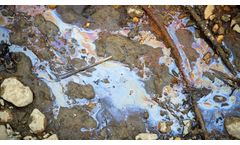
Environmental remediation is cleaning up hazardous substances by removing, treating, and containing pollution or contaminants from environmental media like soil, groundwater, and sediment. This process is crucial for protecting the environment and public health by reducing the presence of harmful substances[1][2][3]. ...
Scrap tires pose a significant challenge due to their non-biodegradable nature and potential environmental hazards. However, through the process of pyrolysis, scrap tires can be transformed into valuable resources, including pyrolysis oil. ...
The process involves heating plastic feedstock at high temperatures in the absence of oxygen, leading to the breakdown of long-chain hydrocarbons into shorter-chain hydrocarbons. ...
Frontline medical waste professionals are no strangers to the dangers of working in an environment that often produces unpleasant odors and hazardous fumes. But as they work tirelessly to ensure proper processing of hazardous materials, their own indoor air quality standards often take a backseat. ...
This hydrocarbon harvest is a testament to the versatility and efficacy of the pyrolysis process. Mitigation of Environmental Hazards Traditional methods of tire disposal, such as incineration or landfilling, pose significant environmental hazards. ...

This reduces the number of connections for power lines during the meter installation process, preventing safety hazards related to direct contact with high voltage. ...
Discarded tires, with their durable rubber composition, contribute to landfills and present environmental hazards. However, amidst this challenge, a revolutionary process has emerged – sustainable tyre pyrolysis. ...
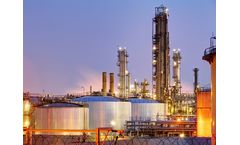
These materials can endure the extreme heat generated during waste incineration processes.2. Chemical Resistance: Waste incineration involves the combustion of various waste materials, including hazardous substances. This process generates corrosive gases and chemical by-products that can attack refractory materials. ...

OSHA (Occupational Safety and Health Administration) guidelines are a set of standards and regulations designed to promote workplace safety and protect employees from occupational hazards. These guidelines cover a wide range of industries and address various aspects of workplace safety, including hazard identification, training and education, recordkeeping, and ...

Our SolarPass technology effectively eliminates highly-biovailable organoselenium compounds produced by biological Se treatment processes to non-hazardous levels. Elimination of organoselenium to levels Reduced aquatic toxicity risk by a factor of 10,000x ...
ByH2nanO

One big barrier to treatment is that these technologies are limited by the type of geological material they can treat, resulting in up to 30% reject waste that needs to be documented and then disposed of via landfill creating long term environmental liability. The hazardous waste and complicated treatment process adds time, expense, and layers of uncertainty to ...

With the continuous increase in demand for energy worldwide, the popularity of cleanburning natural gas has grown rapidly over the past decades. Its relatively abundant supply, along with new high efficiency production technologies and its lower carbon dioxide (CO 2) emission footprint compared to other energy resources, have all made it a cost-effective, environmental-friendly choice for ...