
Refine by
Hazardous Process Articles & Analysis
222 articles found

Chemical Manufacturing: Monitoring both Hazardous Air Pollutants and process emissions to manage exposure risk and ensure unit-wide compliance. ...

A Direct Fired Thermal Oxidizer (DFTO) is a VOC destruction system that uses a high-temperature combustion chamber to oxidize volatile organic compounds into carbon dioxide (CO₂) and water vapor (H₂O).Unlike Regenerative Thermal Oxidizers (RTOs), DFTO systems do not use ceramic heat storage beds. Process exhaust passes directly through the combustion chamber, making DFTO ...
Introduction Hazardous waste incineration and rotary kiln roasting processes generate complex flue gases containing high concentrations of carbon monoxide (CO), sulfur dioxide (SO₂), nitrogen oxides (NOₓ), hydrogen chloride (HCl), hydrogen fluoride (HF), volatile organic compounds (VOCs), and even dioxins.As environmental regulations such as China’s GB 18484-2020 ...

Chemical Manufacturing: Monitoring both Hazardous Air Pollutants and process emissions to manage exposure risk and ensure unit-wide compliance. ...
Chemical Manufacturing: Monitoring both Hazardous Air Pollutants and process emissions to manage exposure risk and ensure unit-wide compliance. ...
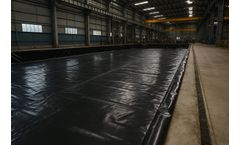
Industrial EV manufacturing in India presents design challenges for environmental safety, structural durability, and contamination control due to exposure to process chemicals, lubricants, wastewater streams, and thermal variations. ...

They are driven by geosmin and MIB, naturally occurring compounds produced by algae in source water reservoirs. While not health hazards at typical concentrations, their sensory impact drives complaints and erodes trust, and conventional treatment often cannot fully remove them. ...
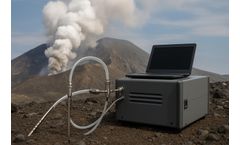
For researchers and monitoring teams, rapid, reliable compositional data are essential to understand degassing behaviour, interpret magmatic and hydrothermal processes, and support hazard assessment workflows.Mass spectrometry enables real-time volcanic gas analysis with high sensitivity and multi-species detection. ...

Manufacturing Process Monitoring Demands Industrial manufacturing environments operate under continuous production conditions where environmental parameters and safety are critical. ...

In the world of metal fabrication, plasma cutting is unmatched for its speed and versatility. However, the process generates a hazardous cocktail of microscopic metal particles and toxic gases (like ozone and hexavalent chromium). ...
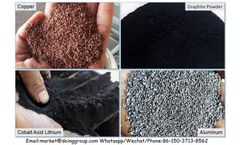
What are the challenges of lithium ion battery recycling process? Safety is the first major challenge. Lithium ion batteries contain flammable electrolytes and reactive materials. ...
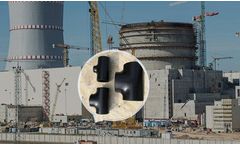
Here’s a more detailed look at their use: Key Applications: Petrochemical Plants: Managing the flow of various chemicals, hydrocarbons, and other process fluids. Chemical Processing Facilities: Handling corrosive and hazardous chemicals in various manufacturing processes. Pharmaceutical Production: Ensuring precise control ...

Types of waste managed Each type of waste-solid, liquid, hazardous, etc.-requires a specific management process to maximize its use and reduce environmental impact. ...
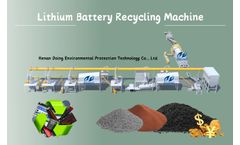
Proper recycling ensures that these hazards are minimized. The Recycling Process of lithium battery recycling machine Taking DOING lithium battery recycling machine as an example, the recycling process is introduced in detail, including feeding, shredding, pyrolysis, air separation, fine crushing and multi-group screening system, exhaust gas ...
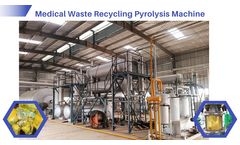
Medical waste can be processed using pyrolysis technology, and recycling it through this method offers several advantages. ...
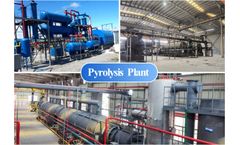
This process helps to recover valuable oils and reduce the volume of hazardous waste, making it an essential technology for managing oily waste. (4) Special Raw Materials: Beyond conventional waste, pyrolysis can address garbage, solid waste, and hazardous materials. This flexibility in processing enables the effective recovery ...
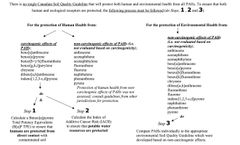
This step assesses the potential threat to potable groundwater quality from the leaching of carcinogenic PAH mixtures from the soil by calculating a hazard index for each PAH and summing these for the entire mix. Important Considerations: Soil Quality Guidelines for Polycyclic Aromatic Hydrocarbons For soils contaminated with coal tar or creosote mixtures, apply a safety ...

In the realm of oilfield waste management, one process stands out for its efficiency and sustainability: pyrolysis. This innovative technique offers a promising solution for the treatment of oil sludge, particularly in the context of drilling cuttings. ...
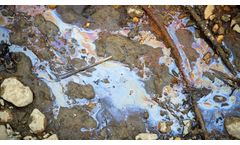
Environmental remediation is cleaning up hazardous substances by removing, treating, and containing pollution or contaminants from environmental media like soil, groundwater, and sediment. This process is crucial for protecting the environment and public health by reducing the presence of harmful substances[1][2][3]. ...
Scrap tires pose a significant challenge due to their non-biodegradable nature and potential environmental hazards. However, through the process of pyrolysis, scrap tires can be transformed into valuable resources, including pyrolysis oil. ...