
Refine by
Hazardous Solid Articles & Analysis
97 articles found

Traditional disposal methods, including landfilling and open incineration, contribute to soil degradation, water contamination, and the emission of hazardous gases. Pyrolysis plant technology offers a scientifically grounded solution by transforming diverse industrial waste streams into recoverable energy and materials while minimizing ecological impact.Reduction of Landfill ...

Industrial facilities face a critical decision when managing wastewater: rely on third-party hauling services or invest in on-site treatment solutions. While hauling appears straightforward, this approach often carries substantial long-term costs and operational risks that many organizations ...

Types of waste managed Each type of waste-solid, liquid, hazardous, etc.-requires a specific management process to maximize its use and reduce environmental impact. ...

Typical Applications High-value RDF production: Shreds waste textiles and solid waste to Hazardous waste: Pre-treatment of medical waste, chemical drums, etc. ...
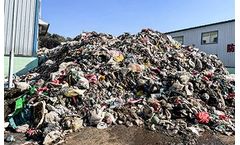
What is Non-Hazardous Treatment of Municipal Solid Waste (MSW)? After proper classification, most non-recyclable municipal solid waste undergoes non-hazardous treatment through methods such as landfilling and incineration. What is Resource Recovery from Municipal Solid Waste? Mixed municipal ...

Key Areas Covered: These standards regulate air and water quality, waste management, soil contamination, hazardous materials, carbon emissions, and biodiversity protection.3. Major Regulations: Examples include the Clean Air Act (CAA), Clean Water Act (CWA), Resource Conservation and Recovery Act (RCRA), and the Paris Agreement for climate goals.4. ...
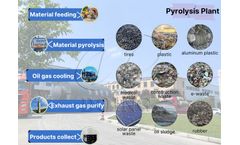
Many countries, like the United States, Malaysia, China, Russia, Italy, Japan, Thailand, Vietnam, Mexico, Colombia, South Africa, Chile, Spain, Brazil, etc. are struggling to manage their waste, especially plastic, tyre, oil sludge, plastic medical waste, solid waste, etc. The increasing amount of waste produced every day is a challenge for the government to dispose of it ...
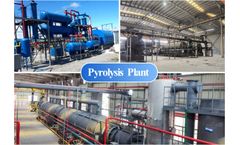
This process helps to recover valuable oils and reduce the volume of hazardous waste, making it an essential technology for managing oily waste. (4) Special Raw Materials: Beyond conventional waste, pyrolysis can address garbage, solid waste, and hazardous materials. ...
Understanding Oil Sludge and Its Challenges Oil sludge is a complex mixture of hydrocarbons, water, and solid particulates, often containing hazardous substances such as heavy metals and polycyclic aromatic hydrocarbons (PAHs). ...
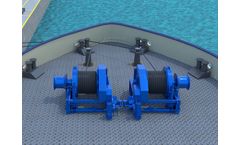
A well-planned installation site will enhance the winch's functionality and minimize potential hazards. Foundation and Mounting: Ensure a solid and stable foundation for the winch. ...
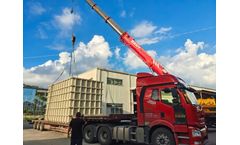
Industrial chemical storage tanks are containers designed and constructed for the storage of chemicals and other hazardous materials. These tanks are commonly used in industries such as manufacturing, oil and gas, pharmaceuticals, and agriculture. ...
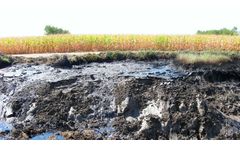
Division of Waste and Hazardous Substances (DNREC DWH) The Division of Waste and Hazardous Substances (DNREC DWH) is a state agency in Delaware, USA, managing hazardous waste and promoting proper solid waste disposal. ...
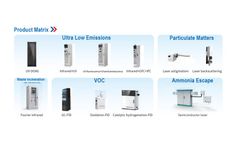
To curb the emission, FPI rolled out a solution for solid waste monitoring and management, which is committed to tackling the complex issues in the process, helping them to reach the national standard. ...
The United States Resource Conservation and Recovery Act, more commonly known as RCRA, is a federal law that regulates the handling and disposal of solid and hazardous wastes. The act establishes environmental standards and guidelines for waste management, including the safe handling and disposal of hazardous materials. ...
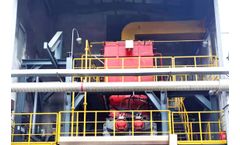
With the original incineration line of 65 tons/day, the total disposal capacity is up to 165 tons/day, making it the largest hazardous waste disposal center in Hunan Province. In this way, the original solid hazardous waste shredding pretreatment system cannot meet the actual demand in terms of the type, size, and processing capacity (2-3 ...
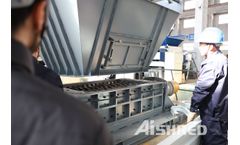
The global demand for various paper products is increasing day by day, which is causing paper mills (and recycled paper mills) everywhere to operate at full capacity, while also generating a large amount of solid waste, including pulp waste, twisted rope, light residue, steel wires, etc. ...
The law gives the EPA jurisdiction to oversee hazardous wastes from beginning to end, or, to borrow their language, from “cradle to grave.” The EPA has a list of regulations and policies that ensure everything from waste generation to hazardous waste disposal is done in a manner that’s safe for people and the environment. There have been a ...
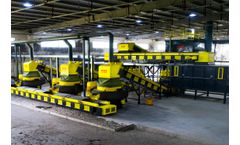
Under the guidance of Construction Work Plan for No Waste City in Zhejiang Province, Harden is committed to assisting environmental protection enterprises to realize the resource disposal of industrial waste, and to create a comprehensive industrial chain of industrial solid waste recovery, volume reduction and harmless treatment, so as to minimize the environmental impact.The ...
Oil sludge is a by-product of the petroleum production process that is mixed with water, oil, and solid sediment, and is a hazardous waste that can be harmful to humans and the environment. ...
Waste is thus chemically assessed and classified as special waste, liquid waste, pre-classified waste (hazardous, restricted solid, and general solid waste - putrescible or non-putrescible). ...