
Refine by
Hazardous Waste Facility Articles & Analysis
52 articles found
Introduction Hazardous waste incineration and rotary kiln roasting processes generate complex flue gases containing high concentrations of carbon monoxide (CO), sulfur dioxide (SO₂), nitrogen oxides (NOₓ), hydrogen chloride (HCl), hydrogen fluoride (HF), volatile organic compounds (VOCs), and even dioxins.As environmental regulations such as China’s GB 18484-2020 ...
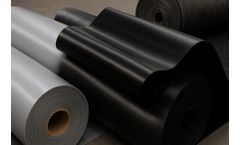
Primary applications include environmental containment and large hydraulic projects such as landfills, hazardous waste facilities, tailings ponds, wastewater treatment, large reservoirs, and canals.LDPE Geomembranes: Made from low-density polyethylene; softer texture and high elongation. ...

High-density polyethylene (HDPE) geomembranes remain one of the most critical materials used in modern containment engineering and waterwroof. From mining heap leach pads to landfill liners and aquaculture ponds, HDPE geomembranes are widely selected for their durability, chemical resistance, and long service life. With dozens of manufacturers worldwide, choosing the right supplier can be ...

Introduction The chemical industry forms the backbone of industrial growth in India, contributing nearly 7% to the national GDP and employing over 2 million people across manufacturing and processing units (source: Ministry of Chemicals & Fertilizers, 2024). However, chemical manufacturing and waste handling pose serious environmental risks if not managed properly. One of the most critical ...
Environmental Protection Agency’s (USEPA) Regional Screening Levels (RSLs) for human health risk assessment at hazardous waste sites and permitted facilities. The document emphasizes the importance of DTSC-SLs in evaluating chemical concentrations in environmental media at California sites. ...

Oil sludge pyrolysis plants can effectively process this waste stream, separating the oil, water, and solids to yield valuable products. ...
Hazardous Waste Operations and Emergency Response (Hazwoper) is a crucial component in safeguarding the occupational safety of individuals involved in dealing with hazardous waste and emergency situations. ...
Introduction Soil Remediation is an essential process to ensure the health and safety of our environment. Contaminated soils can have far-reaching effects on our ecosystem, as well as the health of humans and wildlife. This article aims to provide an in-depth understanding of soil remediation techniques and the most efficient methods for restoring contaminated soils to a healthy ...

Managing waste is a complicated process that involves daily pickup schedules, trucking logistics, and sorting facilities. Waste management companies must deal with millions of tons of garbage every year. As this number increases, simple solutions are no longer sustainable. This increasing complexity requires new solutions. Embracing artificial intelligence technology will help improve the ...

Similar to the packaging, transporting, and disposal of radioactive waste, there are detailed laws and regulations concerning storing radioactive materials, which fall within the hazardous waste category. The Resource Conservation and Recovery Act (RCRA) regulates hazardous waste, including radioactive waste. Strict adherence to requirements for the storage of radioactive waste is Vital to the ...
BC Hazardous Waste Regulations apply to individuals, property constructors, operators and facilities involved in hazardous waste management. ...

Waste antifreeze, also called engine coolant often contains heavy metals such as lead, cadmium and chromium in high enough levels to make it a regulated hazardous waste. A study performed by the American Society of Testing and Materials (ASTM) determined that approximately 40% of used antifreeze would be considered a hazardous ...

Formulate safeguard measures such as "releasing the capacity of existing disposal facilities, co-processing of domestic waste incineration facilities, cross-regional joint disposal, and enabling standby disposal of hazardous waste facilities" to improve the emergency disposal capacity of medical ...

The EPA requires a Toxicity Characteristic Leaching Procedure (TCLP, EPA Method 1311) test to characterize heavy metals contaminated soils and determine how they should be disposed. Soils exhibiting hazardous characteristics, typically leaching metals at greater than 5.0 mg/L, need to be disposed of at a permitted hazardous waste ...

First, EPA wished to apply confidentiality determinations in a way that prevented persons from asserting CBI claims for documents relating to the export, import, and transit of hazardous waste and excluded cathode ray tubes (CRT). Second, EPA wished to require exporters of hazardous waste and receiving facilities ...
Background In November 2016, EPA proposed revisions to the Resource Conservation and Recovery Act (RCRA) rules governing imports and exports of hazardous waste and certain other materials regulated under RCRA. EPA did so to “strengthen public accessibility and transparency of import and export-related documentation to better monitor proper compliance with ...
America’s hazardous waste management program ensures the safe management of hazardous waste from the “cradle to the grave”. ...

The site operated as a permitted hazardous waste facility for storage and distribution of virgin chemical products and recovery of chlorinated and fluorinated solvents from 1973 to 1993. ...
Guaranteed PCE and TCE Remediation at Hazardous Waste Facility Project Summary TRS Group, Inc. (TRS) completed a Guaranteed Fixed Price Remediation (GFPR) of tetrachloroethene (PCE), trichioroethene (TCE), cis-l,2-dichloroethene (cis 1,2-DCE), 1,1,1-trichloroethane (1,1,1-TCA), 1,1-dichloroethene (1,1-DCE), 1,1-dichloroethane (1,1-DCA), ...

Geomembranes, predominately linear low-density polyethylene (LLDPE), have been used for landfill caps for decades. Waste Management World has noted how,” Generally they have performed extremely well but, not unexpectedly, there have been a few exceptions that have guided us in developing even better ...