
Refine by
Hazardous Waste Operator Articles & Analysis
44 articles found
Process exhaust passes directly through the combustion chamber, making DFTO technology particularly suitable for applications with medium to high VOC concentrations.DFTO systems are commonly used for:Chemical manufacturing exhaust treatment Pharmaceutical solvent emissions control Petrochemical VOC abatement Printing and packaging exhaust treatment Industrial coating and painting ...
Why Multi-Bed RTO Is the Preferred Solution for Hazardous Waste Exhaust Treatment A multi-bed Regenerative Thermal Oxidizer (RTO) is widely recognized as one of the most effective technologies for treating high-concentration CO and VOC emissions from hazardous waste incineration.Key advantages include:CO removal efficiency above ...
Technology selection should always be based on actual operating conditions and lifecycle operating costs rather than equipment investment alone. Comparison of Mainstream Furniture VOC Treatment Technologies Technology Advantages Limitations Typical Applications Activated Carbon Adsorption Low initial investment and simple operation Requires ...
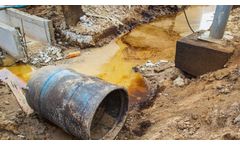
Regulatory Agencies and Policy Makers: Entities such as the California Department of Toxic Substances Control (DTSC) and other state and federal environmental agencies use this information to set regulations, guidelines, and policies for managing and mitigating risks associated with hazardous substances. Industry and Facility Managers: Managers are responsible for environmental ...
In workplaces where hazardous materials are handled, safety is paramount. HAZWOPER, short for Hazardous Waste Operations and Emergency Response, is a critical set of regulations established by the Occupational Safety and Health Administration (OSHA) in the United States. HAZWOPER ensures the safety of workers involved in ...
Understanding Hazwoper Training At its core, Hazwoper stands for Hazardous Waste Operations and Emergency Response. Hazwoper training is a set of rules made by OSHA to protect and train workers in hazardous environments. It stands for Hazardous Waste Operations and Emergency ...
Hazardous Waste Operations and Emergency Response (Hazwoper) is a crucial component in safeguarding the occupational safety of individuals involved in dealing with hazardous waste and emergency situations. ...
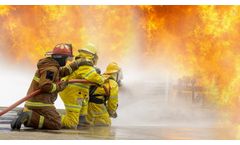
OSHA issued the Hazardous Waste Operations and Emergency Response (HAZWOPER) standards, 29 CFR 1910.120 and 29 CFR 1926.65 (54 Federal Register 9294-9336, March 6, 1989), to protect workers and enable them to handle hazardous substances safely and effectively. ...

Introduction Floods can be serious catastrophes and they are one of the most common hazards in the United States. Floods can be caused by a variety of factors, including a sudden accumulation of rain, rising rivers, tidal surges, ice jams and dam failures. OSHA and NOAA are working together on a public education effort aimed at improving the way people prepare for and respond to severe weather. ...
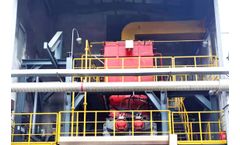
In order to relieve the pressure of hazardous waste disposal in the whole Hunan Province, Changsha Hazardous waste Disposal Center has added a 100 tons/day hazardous waste incineration disposal line. ...

BC Hazardous Waste Regulations apply to individuals, property constructors, operators and facilities involved in hazardous waste management. ...

On December 15, the Sichuan Provincial Department of Ecology and Environment held a special press conference on the construction of hazardous waste "three capabilities". It is understood that Sichuan Province has a wide range of sources, types and quantities of hazardous waste, and the amount of hazardous ...

Ideally, you want to research the companies best suited for your operation, and have set, contracted rates ahead of time. That way you don’t have to waste time in the event of exposure. ...

According to the OSHA, five different types of individuals are covered under the HAZWOPER standard. Those being: Clean up operations – This is required by a governmental body, whether federal, state, local, or other involving hazardous substances – that are conducted at uncontrolled hazardous waste sites. ...

Waste is considered hazardous when it is deemed harmful to humans and/or the environment. Any solid or liquid waste that is considered toxic, chemically reactive, flammable or corrosive. Gov.uk lists some types of hazardous waste as: Asbestos Chemicals, such as brake fluid or print toner Batteries Solvents Pesticides Oils (except edible ones), such as car oil Equipment containing ozone ...
Hazardous Materials at Construction Sites Hazardous materials such as silica, lead, metals, pesticides, chemicals, and gases are often found on construction sites. ...
Now many public-and private-work on buildings and hazardous waste operations (HAZWOPER) also required a JHA as part of the site-specific Health and Safety Program (HASP). ...

In 1995, EPA promulgated the universal waste rule. The universal waste regulations are alternative hazardous waste management standards that operate in lieu of regulation codified at 40 CFR Parts 260 through 272 for specified hazardous wastes. EPA’s goal was to establish a ...
HAZWOPER 40 is a requirement by the Occupational Safety and Health Administration (OSHA) for Hazardous Waste Operations and Emergency Response (HAZWOPER) training. ...
When the media is spent, it is discarded as a non-hazardous solid waste. The system went into operation in June 2004 and is currently being operated by the National Park Service. 2. ...