
Refine by
Herd Articles & Analysis
139 articles found
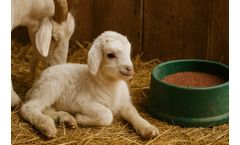
It is recommended to feed either option at least 30 days pre-kidding through 30 days post-breeding for best results, though maintaining a tailored mineral program optimizes herd health.DuraFerm Concept•Aid Goat is a free-choice vitamin and mineral supplement designed to support reproductive success. ...
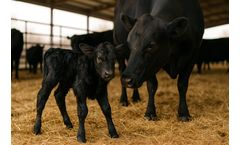
Strategic Use of Artificial InseminationTimed AI programs breed a large portion of the herd within a defined 24 to 72 hour window, accelerating early pregnancies and increasing calves born in the first cycle. ...

Wintering Goats As temperatures drop and daylight shortens, goat producers should prepare to focus on winter preparation. Successfully wintering goats means more than simply providing shelter. Winter prep requires proactive nutrition planning, effective parasite management, thoughtful breeding and kidding strategies, and environmental considerations that vary by region. Regardless of whether you ...
Winter weather can be tough on livestock, and goats are no exception. These hardy animals typically adapt well to colder temperatures, but they still need proper care to stay healthy and productive during the cold months. If you’re wondering how to keep goats warm in the winter, you’ve come to the right place. At BioZyme®, we focus on care that comes full circle, starting with ...

In today’s livestock industry, efficiency, animal comfort, and sustainability all depend on one fundamental factor: how well producers manage the waste environment that supports their herds. Whether it’s a deep-pit barn, a slatted-floor confinement system, or an open lagoon, wet organic buildup becomes the perfect breeding ground for flies—one of the most ...
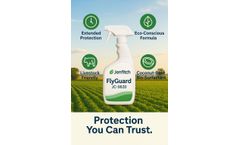
It fits naturally alongside your recent Livestock Product Alert content, complementing topics like manure handling, barn design, and herd ...
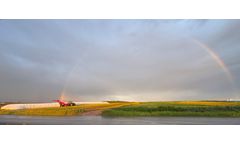
Vyefield Farms LTD., operated by the Kielstra family, is located in Abbotsford, B.C. The farm supports a herd of approximately 360 milking cows and has adopted silage bagging as a central component of its feed strategy. ...

At Biobot, we analyze wastewater across the country for various infectious disease pathogens. Here’s what we found in our most recent tests: traces of bird flu (H5N1) popping up in wastewater samples from 13 states. Between February and March 2025, we worked with wastewater treatment plants in 42 states to see whether the highly pathogenic bird flu (H5N1) was circulating. The results? We ...
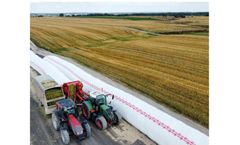
Expanding your thinking can save tens of thousands of dollars each year while enhancing nutrition, herd health, and milk production. Feed costs are the largest expense for dairy farms, typically making up 50% or more of the total operating costs. ...
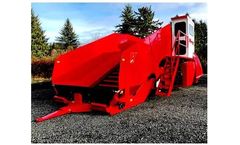
Cattlemen are increasingly turning to bagged silage for flexible feed management. The most fundamental beef cow feeding strategy remains the use of pasture, which is considered the lowest-cost feed resource. Therefore, many cattle operations aim to maximize pasture time annually to benefit from labor, manure management, physical activity, and nutrition advantages. ...

Dairy farm consultants and equipment suppliers weigh in on the benefits of properly packed bags, as well as feed management tips to obtain the highest nutrient density feed to promote herd health and production. Silage is critical to dairy farm operations. ...
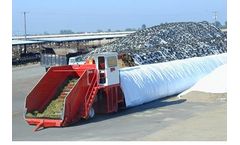
Bagging Silage has been proven to be more cost-effective as well as providing better herd health. Milk production is increased with Dairy Cows and increased weight gain with Beef Cattle. ...
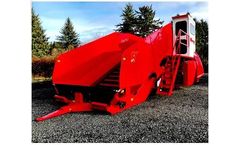
Dairy farmers are bagging silage to reduce spoilage by up to 30%, increase nutrient value and milk production, improve herd health, and potentially earn environmental carbon credits. For dairy farmers, “good feed promotes good production” is a guiding principle that has a direct cause-and-effect impact on milk tank volume. ...
As a cost saving alternative to dry grain supplementation, bagged snaplage/earlage offers high energy content and easy digestibility Dietary supplementation with dry grains has traditionally been utilized as an economical way to meet the high energy demands of the herd, particularly when forage is scarce or of low quality. However, dairy farmers are increasingly turning to high ...
A clean and hygienic living environment for animals helps prevent diseases and improves overall herd health. By incorporating manure dewatering machines, farmers can efficiently manage waste, creating a healthier and more comfortable environment for their livestock. ...

The compost is used for bedding the herd and soil restoration. ...

Agriculture is an example of this, the area in which the cows are milked needs to be kept clean so there’s no cross contamination between different herds. If the area was to be cleaned with the incorrect quality of water this could have huge implications on the health of livestock, resulting in damaging the brand reputation and sales. ...

Reliable vaccinations play a pivotal role in preventing infections that can lead to sepsis, reducing the overall burden of the condition. By fostering herd immunity and protecting vulnerable populations, vaccinations contribute to a safer and healthier world. ...

Synopsis: Dairy farmers want a disinfection alternative that is readily available, low-maintenance, effective, and safe for cows. Application: The Scienco®/FAST SciCHLOR® onsite sodium hypochlorite generator can create sodium hypochlorite solutions of various concentrations suitable and safe for dairy farming, and can function automatically. ...

Cattle Cubes Cattle cubes can help maintain your herd's weight and condition. They are specially formulated to provide fair and low-quality fodder. ...