
Refine by
Human Brain Articles & Analysis
39 articles found

The human brain has long been regarded as one of the most enigmatic subjects in both medicine and science, captivating interest since ancient times. ...

Human brain has approximately 171 billion cells, of which slightly more than half (approximately 86 billion) are nerve cells. ...

In the field of scientific research, understanding and studying emotion-related behaviors in animals plays a crucial role in advancing the knowledge of the human brain and mental health. Animal models can help researchers better comprehend animal behaviors, and rodent models in particular have become important objects for understanding the mechanisms of emotional ...
In the field of scientific research, understanding and studying emotion-related behaviors in animals plays a crucial role in advancing the knowledge of the human brain and mental health. Animal models can help researchers better comprehend animal behaviors, and rodent models in particular have become important objects for understanding the mechanisms of emotional ...
Human brain has approximately 171 billion cells, of which slightly more than half (approximately 86 billion) are nerve cells. ...

The findings could help develop new treatments for neurodegenerative diseases such as Alzheimer's and Parkinson's, and help understand how to keep the brain healthy as we age. The human brain loves sweets and consumes nearly a quarter of the body's sugar energy, or glucose, every day. ...

Tuberculosis is a disease caused by Mycobacterium Tuberculosis, an airborne pathogen that mostly affects the lungs but can also attack other parts of the human body such as the kidneys, brain, and spine. It can affect people from all age groups and geographies, but half of all people with TB can be found in just 8 countries: Bangladesh, China, India, Indonesia, ...

Algal blooms are a severe ecological disaster that threatens aquatic systems around the world. They pose a threat to public health and biodiversity. To protect our interests, we need continuous monitoring and early warning systems. Most traditional monitoring methods, such as field measurements and sampling followed by laboratory analysis, are logistically tricky, time-consuming, and ...
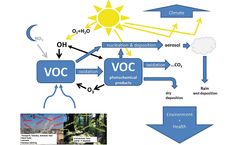
Common VOCs are benzene, toluene, xylene, styrene, trichloroethylene, chloroform, trichloroethane, diisocyanate (TDI), diisocyanatotoluene, etc.VOC SOURCE VOCs mainly come from two natural and anthropogenic factors, namely forests, oceans, soils and human activities. Industrial VOC emissions involve many industries. In painting and painting, packaging and printing, chemical ...

Sleep is an important factor to help maintain health and well-being. It’s recommended that an adult should get at least 7 hours of sleep a night. Getting a good night’s sleep has many benefits such as better memory, reduced stress levels and lowers the risk of heart disease. On the flip side, not getting enough sleep regularly can have serious repercussions such as a weaker immune ...

For the 20 µm experiment with mouse postnatal day 21 (P21) brain and human tonsil, we obtained a median of 7,647 (brain) and 14,939 (tonsil) unique fragments per pixel of which 18% of fragments fell within the TSS regions, and 24% (brain) and 14% (tonsil) were in peaks. ...
What is the salience brain network? The salience network (SN) is “the moderator.” As your mind’s personal moderator, the salience network constantly monitors the external world and carefully decides how other brain networks react to new information and stimuli. The SN moderates switching between the internal and external processing1 of the brain’s two main ...
Through this, the field of Connectomics has recently elucidated many findings about how the brain works by study of its connections. We now know every part of the brain plays a role in brain function. Every brain area is part of a larger brain network. The question then is, ‘What network of the ...

Adults parasitize in the small intestine of cats, dogs and humans. The larvae can invade lung, brain, liver, kidney and other tissues and organs, causing strongyloidiasis. ...
Human milk oligosaccharides (HMOs) are the third most common solid component in human breast milk, second only to lactose and fat, which have important biological functions and not only play an anti-infective role against intestinal pathogenic microorganisms, but also maintain the balance of intestinal microecology. ...

These henipaviruses span species and can infect many other mammals including humans. These viruses cause brain inflammation and respiratory symptoms. ...

The main objective of AI is to learn and explore how to emulate and execute some of the intelligent functions of the human brain, which can further help to develop technology products and establish relevant theories. ...

Late last year, I began a new phase of my career as the Chief Artificial Intelligence (AI) Officer at Schneider Electric. Starting any new job is exhilarating and serving in this role is an honor. But being first can also feel a bit like flying the plane while building it. I mean, what exactly does a Chief AI Officer (CAIO) do? And why is he or she needed to help a company become an AI-based ...
As with previous tau protein diseases, these authors used neuropathologically confirmed brain tissues from human disease cases to extract tau protein filaments and analyzed their structure using cryo-electron microscopy. ...

Contraband smuggling in correctional facilities was already on the rise before the coronavirus pandemic, and would-be smugglers continue to develop new means of concealment. This evolving challenge to safety inside jails and prisons has intensified in the past year, and due to the lockdowns to combat the spread of the COVID-19 virus, postal mail has become a favored conduit for contraband drugs. ...