
Refine by
Hydrant Flow Articles & Analysis
10 articles found

The City of Geneva, Ohio, resides in Ashtabula County, east of Cleveland, along Lake Erie. Founded in 1816, this picturesque city is now home to 7,000 residents. The City of Geneva Water Works Department is responsible for managing the city’s 350,000 gallons per day drinking water operation. The City of Geneva’s water distribution system has a unique history and structure. Ashtabula ...

The global direct cost of non-revenue water (NRW) is 39 billion US dollars per year (Liemberger and Wyatt 2019). In large cities, reducing a small percentage of water loss can save tens of millions of dollars by deferring capital investment for new sources of water, such as desalination plants. NRW is a significant financial loss, uses valuable maintenance resources and doesn’t bode ...
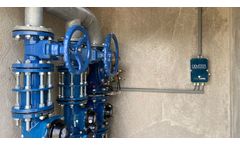
The allowed alarms are classified as follows: Terminal: Low battery, battery replacement, communications failure. Hydrant: Flow detected with valve closed, no flow detected with valve open, maximum flow rate, minimum flow rate, quota exceeded. ...
What advantages do fire hydrant flow meters deliver in those applications that other types of meters do not? ...
We have come up with a tamper-proof method of attaching and sealing the flow meters and universal hydrants to the alfalfa valve, so we can guarantee that they measure all the irrigation water applied. ...
Our range of hydrant flow test equipment offers many benefits that provide data that you can rely on. ...
Leading the way for hydrant verification flow and pressure measurement Langham Industrial Controls strive to provide the most innovative market leading hydrant verification instrumentation. ...

The hydrant discharge flow is smaller in unidirectional flushing than in conventional flushing. However, the percentage of velocities above 1.0 m/s or 1.5 m/s in a flow is relatively higher in conventional flushing when multiple hydrants are open concurrently. ...
Those same tuberculated pipes are constantly challenged by daily tie-ins, repairs, flow tests and fire hydrant use in most cities and towns. The result is that drinking water that left the municipal treatment plant at top quality arrives in users’ glasses — or in their showerheads or medical equipment — carrying large amounts of sediment and scale. ...

Then the owner was put on notice by the local fire department that the water supply lines were no longer meeting the required flow requirements. Four hydrants on the owner’s property were flowing between 200 to 300 gallons per minute due to heavy corrosion-induced tuberculation -- well below the 1,000 gallons per minute required by code. ...
ByCuraFlo