
Hydraulic Feed Articles & Analysis
17 articles found
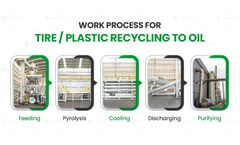
Let's take processing 10 tons of waste plastic as an example. Step 1: Feeding Waste plastics enter the pyrolysis reactor through an automatic feeder. After the feeding is completed, the feeding port is closed and heated to allow the waste plastics to undergo high-temperature pyrolysis under closed oxygen-free conditions. The ...
Optimization of Hydraulic and Electrical Coordination Seamless coordination between electrical signals and hydraulic actuators ensures that the pump functions at its peak efficiency. ...
Additional aspects to consider would be the drum feeding speed, the particular hydraulic motor that this has, and exactly what is called the remnant rate. ...
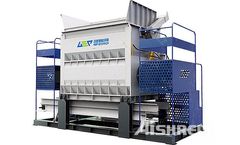
This process of reducing the parts takes place through the pressure exerted by the piston against the shaft (forced feeding). Its robustness and safety are the main differentials of this equipment that has some advantages, such as: Heavy grinding: lees, coils, bales, large and thick pieces, wooden or plastic pallets Low energy consumption Reversible fixed knife Use of the 4 ...
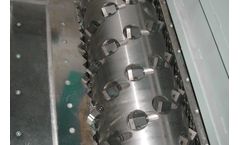
The shredder is fitted with a pneumatic or hydraulic pressure device, which feeds the material towards the rotor. ...
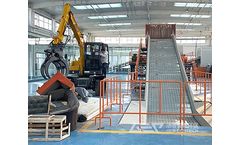
These different knife designs can be installed without changing the shaft. Hydraulic Drive The state-of-the-art double hydrostatic system consists of a variable pump with power control, an integrated feed pump, and a hydraulic motor mounted on each shaft. It provides the maximum output and the most reliable performance available. The ...
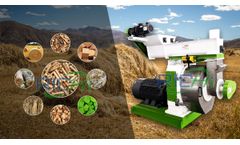
It is composed of seat, blade roller, feeding roller, feeding sharing, hydraulic system, and releasing communicating. Among them, the maker base is bonded with high-strength steel plate, which plays the primary function of sustaining and also boosting the mechanical stamina; both blades on the knife roller are chosen the knife roller by the ...

The double roller granulator is composed of a feeding device and two parallel and parallel rolls. The axis line of one roll is fixed, and the axis line of the other roll can move in parallel, so that there is an accurate small gap between the two rolls. The size of the gap is adjusted by the push rods of two or four hydraulic cylinders moving the roll axis to ...

As a leading supplier, Lindner provides the solution for feed materials that contain foreign objects, or are wet and heavy, bulky or generally difficult – as often encountered by waste management ...

The waste reaches the combustion chamber via a falling chute, which is followed by a hydraulic feed device. To guarantee a constant incineration process, the falling chute has to be fi lled constantly. ...
ByENVEA
The enormously powerful double belt drive, the high flywheel mass, the optimised feed system (internal pusher for higher feeding capacities and easy feeding), the hydraulic maintenance door (allows for fast removal of foreign objects and easy rotor maintenance) as well as the robust and durable rotor knives won over the group, ...

For successfully operating a vertical flow constructed wetland, the uniform distribution of wastewater on the surface of the soil filter is essential. In research, however, this aspect is often overlooked. This study presents a methodology for assessing discharge uniformity from perforated pipe systems via hydraulic modeling. First, the requirements and conditions for the simulation of ...
A two-staged engineered wetland-based system was designed and constructed to treat raw domestic septage. Hydraulic loading rates (HLRs) of 8.75 and 17.5 cm/d were studied with four and eight daily dosings at the second stage of the system to investigate the influence of the regimes on septage treatment. ...
The reactor that was constructed with three phases to facilitate attached biofilm and suspended biomass retention for degradation of the complex and challenging MEAw performed well. A feed strategy of step-wise increasing organic loading rate (OLR) by either increasing feed MEAw concentration or the hydraulic loading rate was applied. ...
With adequate snail control, nitrification rates (0.3–1.1 g NH4-N m−2 d−1) equivalent to that of traditional wastewater NTFs were achieved, despite operating under comparably low ammonia feed concentrations and high hydraulic flow rates.Keywords: ammonia, chlorine demand, nitrification, reclaimed wastewater, snails, trickling ...

The process enables digestion at very high dry solids feed and low hydraulic retention time. The plantwas built with 3 digesters of 4,250 m3 each and is fed with hydrolysed sludge at 11% DS. ...
The pre-treatment options investigated included: A thermophilic (55 °C; TP) process with 5 days hydraulic retention time (HRT). A thermal hydrolysis (170°C; TH) process with 25 minutes contact time. ...