
Refine by
Hydraulic Fracturing Articles & Analysis
147 articles found

Reuse-quality water is the product of this high efficiency treatment system and SiteWorks maintenance package engineered for high variability, elevated temperatures and high ...
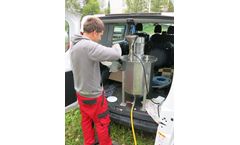
SITE CHARACTERISTICS Together with partners from the Czech Republic (Dekonta, a.s.) and Belgium (ABO and Adviesbureau inzake Grondwater Technieken n.v), NANO IRON works on research and development of in-situ remediation technologies based on hydraulic fracturing of subsurface. The main benefit of the method is a possibility of application of the remediation ...
Water management is playing an increasing role in efforts to increase sustainability As the world increases the pace of its transition to renewable energy sources, the oil and gas industry is facing mounting pressure to reduce emissions, conserve resources, and optimize energy use. Governments and regulators across the globe are introducing energy reuse and efficiency standards aimed at curbing ...

Texas is the hub of the U.S. oil and gas industry, leading the country in production and refining. With its massive operations, the industry uses a huge amount of water for drilling, refining and cooling. Nevertheless, water scarcity and increased environment-related legislation make companies opt for less environmentally taxing water sources. Desalination is emerging as a key technology for ...
Pumps are a critical backbone of the oil and gas industry, facilitating everything from extracting crude oil to transporting it through pipelines, refining it into usable products, and storing it for distribution. Whether it’s moving crude from the ground to a refinery, boosting the pressure in pipelines, or handling precise chemical dosing during processing, pumps play vital roles at every ...
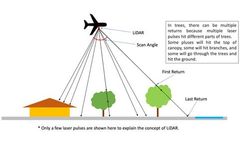
Human activities like mining, hydraulic fracturing, and nuclear testing also cause earthquakes.[5]. Activities both above and below ground can change stresses and strains in the Earth’s crust, including building reservoirs, extracting resources such as coal or oil, and injecting fluids underground for waste disposal or hydraulic ...
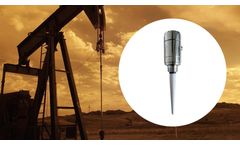
In the extraction of petroleum (oil) by hydraulic fracturing, oil flows to the well emulsified with fracturing water. ...
Millions of gallons are used during the hydraulic fracturing process, and billions of gallons of wastewater are generated from these activities. ...
The mining industry heavily relies on water Preserving water quality and quantity in mining is critical for uninterrupted operations Sustainable water management in mining can be started by choosing sustainable solution in treating mine water All human activity depends on the availability of water. From basic survival to the most complex and innovative industries, it is a resource whose ...
Fracking – or hydraulic fracturing – is one of those topics that’s constantly in the news because of controversies surrounding its impact on the natural environment and our reliance on fossil fuels in the face of climate change, driving the need to start operating more sustainably, supported by renewable energy sources. ...

The Evolution of Hydraulic Transmission Technology in the Pressure Pumping Market. Fracking technology is driving transformation of North American energy production capabilities. Since 2005, most of the increase in domestic natural gas production resulted from ongoing development of horizontal drilling and hydraulic fracturing technology. ...

A train pulling 72 tank cars, laden with oil from hydraulic fracturing (fracking) in North Dakota, derailed and exploded in Lac-Mégantic, Québec on July 6, 2013, killing 50 people. ...

The Challenge The worldwide energy sector has accelerated the development of its unconventional oil and gas resources through increased use of horizontal drilling and hydraulic fracturing practices. Water is an essential element in the fracturing process and the recycling or reuse of spent water can dramatically reduce costs. The volume of water ...

The permanganate was first delivered using large-diameter injection borings within the backfilled excavation and via fractures. Permanganate was placed in the large borings first, and then the fractures. ...

To haul water off-site for disposal over the 20-year life of a hydraulic fracturing well-project, it was estimated to cost $160 million (includes trucking costs, water disposal costs and ...

Produced water from the extraction process of oil and gas reserves, as well as flow back water from hydraulic fracturing operations, must be properly managed in order to mitigate any environmental impacts to existing water supplies caused by oil drilling/fracturing activities. ...
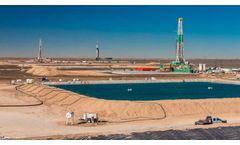
Produced water from the extraction process of oil and gas reserves, as well as flow back water from hydraulic fracturing operations, must be properly managed in order to mitigate any environmental impacts to existing water supplies caused by oil drilling/fracturing activities. ...

In that decade, solar PV, nuclear, gas turbines, LNG and hydraulic fracturing all made their debuts on the energy scene. For established technologies with high potential for improvement, there is a need to accelerate market uptake and improve their performance and costs, for example by incentivising better or cheaper components and designs. ...

Materials like these should endure impacts, specifically in hydraulic fracturing, that can rubblize regular cements. “The impact resistance of these 3D-printed structures puts them in a class of their own,” stated Boul. ...

We were given just 9 months to design-build-commission a facility capable of conditioning highly variable produced water and flowback inflows from gas hydraulic fracturing sites and gas production facilities. The facility included two 35,000 m3 lined storage ponds, 1.6 megawatts of gas-powered generator, tank farm, process modules, chemical addition, ...