
Refine by
Hydraulic Pneumatics Articles & Analysis
62 articles found
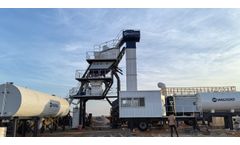
Adjustable leveling mechanisms with extended travel range accommodate variable subgrade without engineered footings. Pneumatic or hydraulic screw jacks achieving horizontal stability within tight tolerances preserve load cell alignment that would degrade in fixed installations on irregular surfaces. ...
ByMacroad
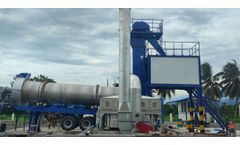
Self-leveling systems accommodate variable terrain without detailed soil analysis. Pneumatic or hydraulic jacks with 500mm travel range maintain drum alignment within 2mm tolerance across cracked pavement, utility trenches, or irregular surfaces common in established highway corridors. ...
ByMacroad
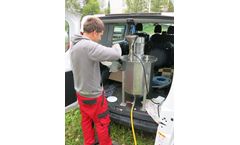
SITE CHARACTERISTICS Together with partners from the Czech Republic (Dekonta, a.s.) and Belgium (ABO and Adviesbureau inzake Grondwater Technieken n.v), NANO IRON works on research and development of in-situ remediation technologies based on hydraulic fracturing of subsurface. The main benefit of the method is a possibility of application of the remediation suspensions in a ...

It is a vital component in various systems where pressure monitoring is crucial, such as hydraulic systems, pneumatic systems, and HVAC systems. Pressure transducers are designed to withstand and measure pressure changes accurately and reliably. ...
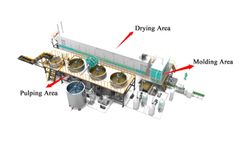
Inconsistent surfaces may cause adhesion, incomplete drying, or torn trays—all of which undermine downstream automation and packing efficiency. Pneumatic and Hydraulic System Validation Modern egg tray molding machine integrates pneumatic actuators and hydraulic systems for forming, transferring, and pressing operations. ...
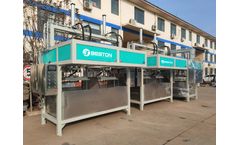
Additionally, regular checks on hydraulic and pneumatic systems are necessary to ensure that fluids are at the correct levels and that there are no leaks. Pulp moulding machine manufacturers often emphasize the importance of keeping hydraulic systems clean to avoid contamination and maintain optimal performance. 3. ...
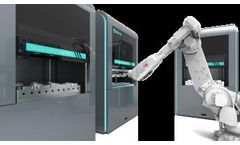
These machines combined manual input with mechanical processes, such as automated pressing and die-cutting, which substantially reduced labor intensity and increased production rates.Semi-automated systems utilized pneumatic and hydraulic mechanisms to streamline the pressing process. ...
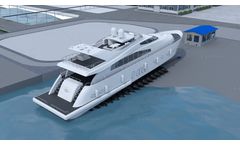
They are commonly used for launching and retrieving boats and watercraft, loading and unloading cargo, and performing maintenance and repair tasks on vessels and marine structures.Power Source: Marine hoist winches can be powered by various sources, including electric, hydraulic, and pneumatic systems. Electric winches are popular for their ease of use, ...
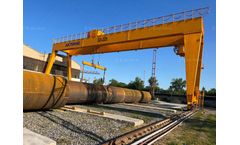
Power Source Gantry cranes can be powered by various sources, including electricity, diesel, or pneumatic/hydraulic systems. The choice of power source depends on factors such as availability, cost, environmental impact, and operational requirements. ...
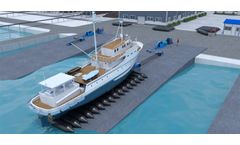
Use the formula: \[ Power = Traction Force × Drum Speed ÷ (Efficiency × Gear Ratio) \] Consider the efficiency of the winch system, gear ratio, motor efficiency, and safety factors when calculating power requirements. Choose an electric, hydraulic, or pneumatic power source based on operational needs, environmental conditions, and energy ...
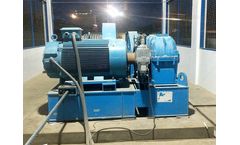
They are commonly used in off-road vehicles, marine vessels, and construction machinery operating in challenging environments. Pneumatic Winches Pneumatic winches, also known as air winches, are powered by compressed air and are suitable for use in hazardous or explosive environments where electric or hydraulic systems may pose safety risks. ...
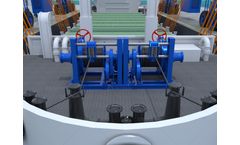
The foundation should be designed to evenly distribute the load and resist lateral movement.Power and Control Systems Installation:Mooring winches are powered by hydraulic, electric, or pneumatic systems. Install the power source and control systems according to the manufacturer's guidelines. ...
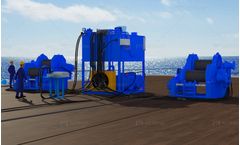
Power Source: Winches can be powered by various sources, including electric, hydraulic, and pneumatic. Each power source has its advantages and limitations. Electric winches are common for versatility and ease of use, 50 ton hydraulic winches excel in heavy-duty applications, and pneumatic winches are suitable for environments ...
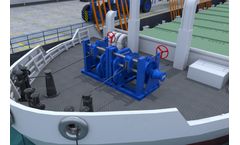
These drives are typically powered by electric, hydraulic, or pneumatic systems, depending on the specific requirements of the vessel and the intended application. ...
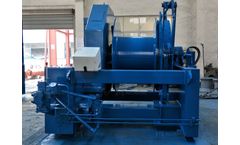
Robust construction not only contributes to the winch's longevity but also enhances its ability to handle challenging tasks with reliability.Powerful Motor:A powerful motor is at the heart of any high-quality 30-ton winch. Whether electric, hydraulic, or pneumatic, the motor must deliver sufficient torque and horsepower to handle the specified load capacity. ...
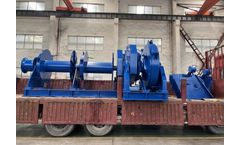
Key features of hydraulic winches include:High Load Capacity: Hydraulic winches are known for their high lifting and pulling capacities, making them suitable for heavy-duty tasks.Durability: Built with rugged materials and designed for tough environments, hydraulic winches are built to withstand challenging conditions.Safety Features: Many ...

Follow these safety precautions:Ensure the vessel is stable and properly secured in a dock or dry-dock to prevent any unexpected movements.Use appropriate personal protective equipment (PPE) such as gloves, safety glasses, and hardhats.Confirm that all power sources (electric, hydraulic, or pneumatic) are disconnected or locked out to prevent accidental ...
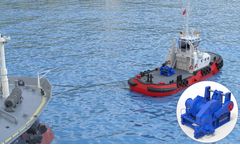
Voltage, current, and phase considerations are essential when selecting electric winches.Hydraulic: Hydraulic winches are favored for their high pulling power and suitability for heavy-duty tasks. They are often used in construction and forestry applications but require a hydraulic power source, typically provided by the equipment's hydraulic ...
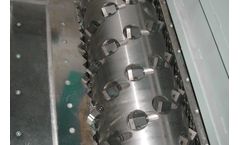
The shredder is fitted with a pneumatic or hydraulic pressure device, which feeds the material towards the rotor. ...
They are many different varieties of load cells, including strain gauges, pneumatic, and hydraulic. The most common one is the strain gauge load cells. ...