
Refine by
Hydrocarbon Fluid Articles & Analysis
21 articles found
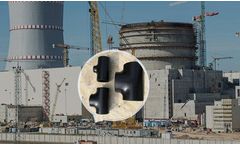
In the chemical industry, pipe fittings and flanges are essential components used to connect, join, and adapt various sections of piping systems, enabling the safe and efficient flow of fluids and gases. They are used to join pipes, change flow direction, and branch pipelines, facilitating the safe and efficient transport of various chemicals, including corrosive substances. ...
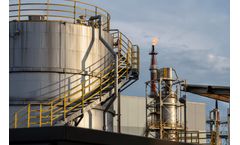
In the heart of the remote oil fields of Kharsang, Arunachal Pradesh, the demand for secure, durable, and environmentally responsible oil storage systems is rapidly increasing. To meet these critical needs, Ocean Non Wovens, a trusted geosynthetics manufacturer and supplier, partnered with the project team to deliver a top-tier oil pit containment solution. For this project, we supplied and ...

Ethylene, propylene glycol (conductive fluids). Why Electromagnetic flow meters? Corrosion-resistant electrodes (Hastelloy, tantalum). ...
Selection and Application of Commonly Used Flow Meters Selecting the right flow meter depends on factors such as fluid type, flow rate, pressure, temperature, accuracy requirements, and installation conditions. ...

Advantages of Pyrolysis in Oil Sludge Treatment Pyrolysis offers several distinct advantages over conventional methods of oil sludge treatment: Resource Recovery: Pyrolysis enables the extraction of valuable hydrocarbons from drilling cuttings, thereby maximizing resource utilization. ...

As the conductive fluid moves through the magnetic field, it induces an electric potential difference (voltage) across the electrodes. ...
The NeoSkim Model utilizes a continuous belt and wiper to remove up to 150 liters of oil per hour from the fluid surface. The belt, operating on a motor and pulley system, runs through contaminated liquid to pick up oil from the surface. ...

Abstract In the areas of Hydrocarbon Exploration and Production, removal of hydrocarbons are becoming increasingly dependent on injected and re-injected fluids to facilitate hydrocarbon release; as new smaller wells and existing well life spans are being forced to increase with age. A large part of the fluids ...

TOCO) contacted PlugCo for a special hydrocarbon fluid pipeline treatment. Since it is a very special treatment TOCO demanded technical advice and assistance for every detail. ...

Chemical stability, high flash and fire points, viscosity, and oxidation resistance are all valued, and as a result mineral and synthetic hydrocarbon fluids are selected for mobile and industrial systems, whereas functional chemicals such as phosphate esters are chosen for aviation and specialized industrial applications. ...

Railway engines are predominantly diesel and as such they discharge large volumes of oil, diesel and hydraulic fluids as they operate. These hydrocarbons contaminate the railway lines, stations and sidings on which the engines operate. For many years the hydrocarbon discharges have been ignored, with the tracks and surrounding lands becoming ...
Proppant permeability is a measure of how readily or not fluid (hydrocarbons in general) can travel through the proppant pack, and is a measure of “fluid friction” within the proppant pack. ...
The crude is a mixture of mainly hydrocarbon gas-hydrocarbon condensate-water fluid, contaminated with formation water and corrosion products. ...
The Abanaki PetroXtractor is a dependable and cost effective means of removing oil, fuel, and other floating hydrocarbons from water where access to the fluid surface is limited. It is part of an efficient groundwater remediation system for groundwater contaminated by oil, using existing recovery and monitoring wells. ...

The purpose of this article is to search for the possibility of electrical energy generation by binary systems operated with different working fluids. Although in the range of 121–167°C, geothermal fluid temperatures, hydrocarbons can be used as secondary fluid, between 220–230°C, propane cannot be used, and so, ethane must be ...
Oil skimming is an environmentally sound choice for the removal of oil and other hydrocarbons from fracking wastewater. Oil skimmers work by making use of the differences in specific gravity and surface tension between oil and water. These physical characteristics allow the belts to attract oil and other floating hydrocarbon liquids from the surface of the ...
In this review paper, we report the molecular structure, origin, natural occurrence and variety of diamondoid hydrocarbons in petroleum fluids and other fossil fuels. In addition, we present the role of diamondoids as geochemical tools for petroleum characterisation, ways diamondoid molecules are used to play an important role in petroleum evaluation, and may be ...
Chemviron plans to use the Abanaki belt skimmer to recover oil-based hydraulic fluids used in service station automotive lifts and found at garage sites. Additionally, the firm may use oil skimmers as a preemptive strategy to remove oil, grease, fuel and solvents from wastewater in wash bay sumps of many automotive service shops. With adequate hydrocarbon ...
Barrel Reconditioning Industries (BRI) of Cottage Grove, MN builds recycling systems for both metal and plastic containers, including lubricating fluid drums and barrels. A typical BRI system consists of several integrated machines or stations, including a solvent preflush and a high pressure water wash. ...
These characteristics allow the skimmer belts to attract oil and other hydrocarbon liquids from the fluid surface quickly and efficiently with little water content - a key factor in reducing the cost of disposal and lower the contingent liabilities of wastewater discharge. ...