
Refine by
Hydrocarbons Pollution Articles & Analysis
82 articles found

Volatile Organic Compounds (VOCs) are among the most common air pollutants generated during industrial production. Due to differences in manufacturing processes, raw materials, and production procedures, VOC emissions vary significantly across industries in terms of composition, concentration, airflow volume, and treatment difficulty. ...
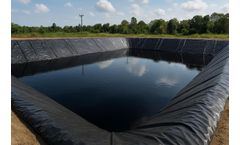
Oil handling and storage infrastructure demands reliable containment to prevent hydrocarbon leakage, soil contamination, and groundwater pollution. For the Oil Pit Project in Agartala, Tripura, a dual-layer HDPE geomembrane system with 1000 micron and 1500 micron liners was implemented to provide primary and secondary containment.Project OverviewProject Name: Oil ...

At Whitebeam d.o.o., we’ve spent years analyzing combustion systems across Europe, and catalytic technology consistently delivers measurable benefits – both in emissions reduction and real-world performance.While catalytic converters are widely recognized for reducing harmful pollutants such as particulates, hydrocarbons, and carbon monoxide, their advantages ...
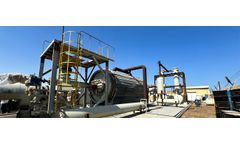
By enabling the remediation of hydrocarbon-contaminated soils and residues, while simultaneously recovering usable energy, the technology intersects with both environmental restoration and climate finance. Role of TDU in Emission Mitigation A tdu unit functions by heating contaminated substrates under controlled conditions to volatilize hydrocarbons. This process ...

Thermal desorption, with its ability to thermally volatilize organic contaminants without incineration, aligns well with evolving mandates to reduce pollutant emissions and promote sustainable remediation. Countries within the European Union, under frameworks like the Waste Framework Directive and REACH regulations, require comprehensive site cleanup that limits residual ...
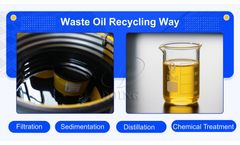
Environmental Protection Reducing pollution: Waste oil contains harmful substances such as heavy metals, organic compounds, and polycyclic aromatic hydrocarbons. If not properly treated, it can pollute soil, water, and air, posing significant threats to the environment and human health. Waste oil distillation equipment effectively removes ...

Air Quality Improvement Traditional charcoal production methods, such as open-air burning, often result in significant air pollution due to the release of particulate matter and harmful gases. In contrast, sawdust charcoal making machines employ closed-loop systems that minimize emissions, promoting cleaner air and safeguarding public health. 4. ...

Whether using the latter energy recovery method to downcycle the plastic material into a fuel form, or the process of repolymerization to make a higher quality recyclate, both methods have the potential to save the environment from vast amounts of pollution caused by the careless disposal of plastics and reduce the industry’s demand for high levels of plastic production and ...
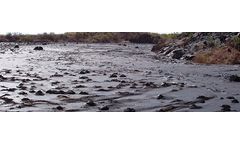
Traditional methods often fall short in addressing the complex matrix of hydrocarbons and pollutants embedded within the soil matrix. However, pyrolysis emerges as a promising technology, offering a sustainable and efficient approach to soil remediation and resource recovery. ...
This exploration navigates through the intricacies of pyrolytic processes, shedding light on how this advanced technology becomes a beacon of hope in remediating oil sludge pollution. Understanding the Menace: The Challenge of Oil Sludge Pollution Oil sludge, a byproduct of oil industry activities, poses a formidable environmental challenge. ...
TDU technology is particularly effective in treating soil contaminated with hydrocarbons, heavy metals, and other industrial pollutants. The process consists of several key stages:Material Feed: Contaminated soil or waste material is fed into the Thermal Desorption Unit, where it undergoes a controlled and elevated temperature environment.Heating and ...
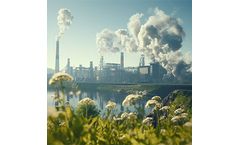
Some of the fuel might pass the combustion chamber without being oxidised, resulting in hydrocarbon (“HC”) emissions. Often, its subset volatile organic compounds (VOCs) are of primary concern when it comes to air pollution. ...
ByOPSIS AB
However, it also generates vast quantities of hazardous waste, including drill cuttings contaminated with hydrocarbons and other pollutants. Proper disposal and treatment of these drill cuttings are crucial for environmental protection and regulatory compliance. ...
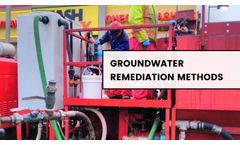
Groundwater contamination is a significant environmental challenge faced by many regions worldwide. Pollution resulting from hydrocarbons and other contaminants can have disastrous consequences on both the environment and human health. ...

It is therefore a question of guaranteeing the retention of electric oils (hydrocarbons). Indeed, this type of liquid is likely to leak from the device but also to catch fire. ...
The importance of rainwater management in the industrial sector In the industrial environment, it is particularly important to manage rainwater properly, especially before it is discharged into the ground. Indeed, industries use hydrocarbons and other pollutants that can mix with rainwater, during runoff or other. Proper ...
In this article, you will discover what the Clean Water Act says, our solutions for filtering rainwater polluted with hydrocarbons and the qualities of our F50 rainwater filter. ...
It is indeed essential to filter the rainwater to block the hydrocarbons before the water reaches the ground. Here is what you need to know on the subject to properly filter polluted water and protect the phreatic water. ...
The flexible retention bund helps retain hydrocarbons from electrical transformers. A flexible bund is easy to install and is less expensive equipment than a permanent metallic or concrete bund. ...
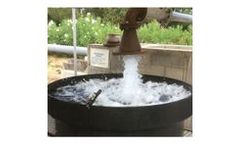
High- flow filtration of water polluted with hydrocarbons is a crucial issue for many companies. Find out about the different laws governing the management of water pollution risks, as well as the FILTRELEC ECODESIGN® F1500 high flow hydrocarbon filter. ...