
Refine by
Hydrogen Generator Articles & Analysis
213 articles found
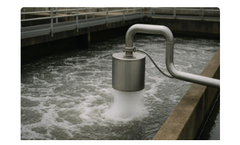
Reduced Odors: Low oxygen fosters anaerobic conditions that generate hydrogen sulfide and other gases; higher DO reduces odors, improving air quality and working conditions. ...

Quantitative PCR (qPCR) is also sometimes called real-time PCR. This is PCR, which is a technique used to amplify a specific DNA sequence. However, it differs from conventional PCR by also being able to simultaneously quantify the DNA sequence amplified. This is often helpful in microbiology to measure DNA (or cDNA from RNA) from specific organisms in real time during each cycle of ...

Other than the vent pipe size, to accurately size any of our larger adsorbers, you will need to know two other things: a) the velocity of the air moving through the vent; and b) the concentration of the hydrogen sulfide (H2S) in the airstream. Homeowners generally do not have to worry about these numbers. ...

Industrial decarbonization is a fundamental pillar in achieving global climate objectives, with water playing a key role in this transition. Its efficient and sustainable use can accelerate the shift towards a low-carbon industrial model, while inadequate management may pose significant obstacles. Water is essential in industrial decarbonization, presenting both substantial opportunities and ...

Additionally, their unique optoelectronic properties, such as the quantum confinement effect, enable the tunability of light emission and absorption, making them attractive for the development of next-generation display technologies. CdSe/ZnS Quantum Dots have also shown promise in the field of catalysis. ...
Bio-methane potential (BMP) testing is a standard anaerobic lab test used to assess the methane production potential of different feedstocks in wastewater treatment systems. This testing can be applied pretty much universally for anaerobic sites, including mixed systems, lagoons (though sampling here can be a major hurdle), and UASBs. While BMP testing procedures can vary by site, the key points ...
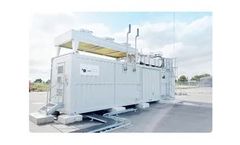
The integration of renewable energy sources into electricity generation poses major challenges for existing electricity networks because they were previously geared towards the operation of centralized large-scale producers. A promising way to increase the security of supply in decentralized power grids is to produce green hydrogen. Hereby, smoothing out peaks in ...
The advancement of green hydrogen technology has positioned it as a cornerstone in the transition to sustainable energy. Central to ensuring the efficacy and quality of green hydrogen is the use of mass spectrometry (MS). This analytical technique is indispensable for verifying purity, confirming isotopic composition, monitoring production processes, enhancing performance, ensuring quality ...
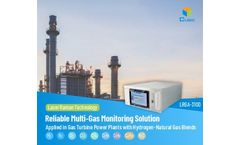
In respond with the trend of hydrogen as a green fuel in the U.S., retrofitting existing equipment, facilities, and infrastructure to utilize certain low level of hydrogen blended natural gas to generate electricity is a crucial transitional step towards carbon neutrality. ...
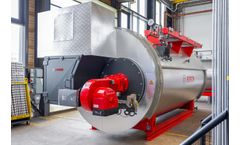
In the manufacturing and fabricating of cardboard, a considerable part of the energy demand is for steam generation, among other things for forming and adhesion. When it comes to how to approach their process heat in future, manufacturers are facing various challenges, especially regarding fuel selection, energy prices and climate neutrality. "With our technologies, we are a ...

To better understand the benefits and applications of pyrolysis technology, let's take a closer look at the valuable products it generates: Product Applications Biochar - Soil amendment, carbon sequestration, water filtration Bio-oil- Alternative fuel, chemical feedstock Syngas - Power generation, heating, production of hydrogen and synthetic ...
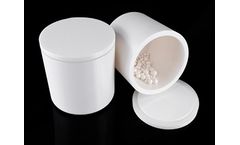
In the vacuum at high temperature (above 2220℃), ZrO2 reacts with carbon to generate ZrC, and reacts with hydrogen or nitrogen to generate corresponding hydrides or ...

This is particularly relevant in the context of the growing interest in hydrogen as a clean and sustainable energy source. Types of H2 Sensors: Electrochemical Sensors: These sensors rely on the electrochemical reaction between hydrogen and an electrode material to generate a measurable current. ...

Hydrogen, the universe’s lightest and most abundant element, is transforming industries worldwide, driving the shift towards sustainability. Hydrogen-powered industries are leading this transformation, and at their core are gas analyzers. In this article, we delve into the world of hydrogen-powered industries and the critical role of gas ...
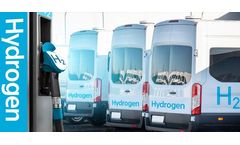
Fuel cells promise vehicle power with zero emissions Hydrogen fuel cell vehicles are powered by generating electricity from compressed hydrogen, and their only emission is fresh water. As good as that sounds, though, a lot of fresh water is required to manufacture the compressed hydrogen, and supplies are increasingly limited. ...
These plants serve diverse purposes, from generating power to producing wood pellets or repurposing waste materials. ...

Step into the world of Hydrogen Analyzers. Such devices, vital in today’s industries, will be the focus here. The aim is to delve into their function, use, and the science behind them. Together, let’s unearth the secrets of these essential ...

Two HyProvide™ electrolysers. For the production of green hydrogen for powering charging stations and off the grid construction sites. Key Facts 2 x A-Series A90 Product 389 Production (kg H2/day) 28 Outlet pressure (bar) UK Project location First project in UK The order includes the supply of two GHS HyProvide™ A90 electrolysers with a combined capacity of ~1 ...
HyProvide™ A90 electrolyzer for on-site hydrogen generation. Complete turnkey delivery and commissioning by GHS. Key Facts A-Series A60 Product 130 Production (kg H2/day) 28 Outlet pressure (bar) Denmark Project location A pioneering wind-to-hydrogen project As part of a pioneering wind-to-hydrogen project, Green ...
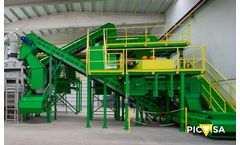
This eco-design is complemented by the use of new materials such as bioplastics, generated from biological materials instead of petroleum. This is the case of polylactic acids (PLAs), which are extracted from corn or sugar cane and used in food, or polyhydroxyalkanoates (PHAs), produced from microorganisms and usually used in the medical and pharmaceutical sector. ...