
Refine by
Hydrogen Reference Articles & Analysis
9 articles found

A pH sensor determines acidity or alkalinity by measuring the hydrogen ion concentration in the solution. Typically, a pH sensor consists of a glass electrode and a reference electrode. The glass electrode is primarily responsible for detecting changes in hydrogen ion concentration, while the reference electrode provides a stable ...
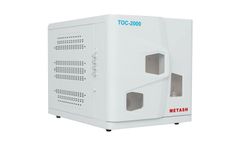
With the rapid development of industry, the types and quantities of wastewater have increased rapidly, and the pollution of water bodies has become increasingly widespread and serious, threatening human health and safety. Therefore, for the protection of the environment, the treatment of industrial wastewater is more important than the treatment of urban sewage. One of our user is currently ...

Problem: VOC emissions are quantified and monitored according to standard EN 12619, using Flame Ionization Detectors (FID) analyser which uses hydrogen and other reference gases in pressurized cylinders. Operators must then approach the sampling point, often placed several meters from the ground, climbing chimneys of industrial settlements with heavy and bulky ...

However, not all forms of hydrogen are alike. We need to shift from grey hydrogen, the production of which causes CO₂ emissions, to climate-neutral green hydrogen. ...

” ASTM Oil & Gas Industry: “Amine gas treating, (also known as amine scrubbing, gas sweetening and acid gas removal), refers to a group of processes that use aqueous solutions of various alkylamines (commonly referred to simply as amines) to remove hydrogen sulfide (H2S) and carbon dioxide (CO2) from gases.[1][2][3] It is a ...

With the aim of quantifying the purely hydrological control on fast water quality dynamics, a modelling approach was used to identify the structure (and dynamic response characteristics or DRCs) of the relationship between rainfall and hydrogen ion (H+) load, with reference to rainfall to streamflow response. ...
VOC emissions are quantified and monitored according to standard EN 12619, using FID analyzer which uses hydrogen and other reference gases in pressurized cylinder. Operators must then approach the sampling point, often placed several meters from the ground, climbing chimneys of industrial settlements with instruments and cylinders. ...

Hydrogen can be produced by decomposing water, through thermochemical cycles, in an environmentally benign manner using nuclear energy. The copper-chlorine (Cu-Cl) cycle is one of the most promising low-temperature thermochemical cycles and involves five main steps: HCl (g) production; oxygen production; copper (Cu) production; drying; hydrogen production. In ...
Work is currently underway to define a pre-conceptual design of a hydrogen production plant. The reference case is a VHTR dedicated to hydrogen production using the sulphur-iodine process. ...