
Refine by
Hypochlorous Acid Articles & Analysis
32 articles found
To mitigate these risks, many food and beverage producers are transitioning to in-situ generated hypochlorous acid (HOCl) via systems like Watter. Because the disinfectant is produced on-demand and on-site, the storage time that typically leads to chlorate accumulation is eliminated. ...
The phase-out of DBNPA in applications like food industry surface treatment and general installations has created a need for alternatives that offer both high efficacy and legal certainty. In-situ generated hypochlorous acid (HOCl) has emerged as a premier solution, providing powerful microbiological control without the risks associated with hazardous chemical ...

For nearly a decade, a seasoned water treatment technician had managed a 60,000-gallon open counter-flow cooling tower at a manufacturing facility near Houston, Texas. The system faced a persistent challenge: a water pH of ...
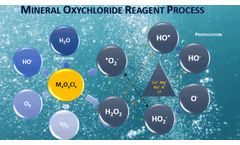
Technical and Operational Superiority of Mineral Oxychloride Reagents Over Chlorine Dioxide for Water Treatment Abstract This scientific article presents the technical and operational advantages of mineral oxychloride reagents over chlorine dioxide (ClO2) in water treatment. Mineral oxychlorides are advanced oxidation agents that deliver superior disinfection, biofilm removal, and residual ...
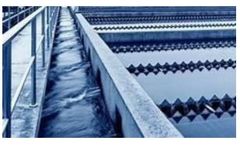
Jenfitch, Inc based in Walnut Creek, CA has developed a new oxidant that is effective at lowering TOC, reducing THM’s and HAA5’s, eliminating T & O (taste and odors), effective at controlling HAB’s (harmful algal blooms), improve coagulation & flocculation, eliminate biofilm formation in the distribution systems, and improve the effectiveness of your primary ...
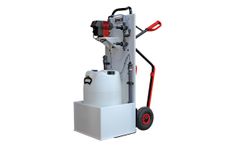
At the heart of the system is the Magdos LDp diaphragm dosing pump, which injects a calcium hypochlorite solution into the contaminated water from a container via a ten-metre PVC hose. The chemical releases hypochlorous acid (HOCI), which kills microorganisms through oxidation. “The pump impresses with exceptional durability, reliability and ease of ...
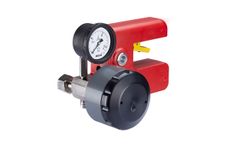
At the heart of the system is the Magdos LDp diaphragm dosing pump, which injects a calcium hypochlorite solution into the contaminated water from a container via a ten-metre PVC hose. The chemical releases hypochlorous acid (HOCI), which kills microorganisms through oxidation. “The pump impresses with exceptional durability, reliability and ease of ...

Did you know that in addition to its disinfection and sterilization properties, hypochlorous acid disinfectant has so many powerful functions? Today we will explain them in detail for ...
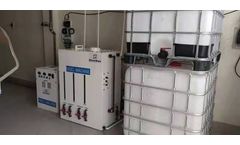
Vietnam Project Raw Material: Salt Output: HOCL Anolyte 500ppm, 200L/H ...
Yes, sodium hypochlorite can make hypochlorous acid. When sodium hypochlorite is dissolved in water, it forms a solution that contains both hypochlorous acid (HOCl) and hypochlorite ions (OCl-). ...
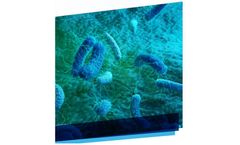
What is Legionellosis? Legionnaires’ disease first garnered public attention in 1976. After attending an American Legion convention at a Philadelphia hotel, 221 people became ill, with 34 dying of a mysterious illness. The U.S. Centers for Disease Control and Prevention (CDC) launched a major investigation, and in 1977 identified the responsible bacterium, naming it ...
![[Wellspring] Introducing Wels Living](https://d32zuqhgcrpxli.cloudfront.net/eyJidWNrZXQiOiJlZS1maWxlcyIsImtleSI6ImZpbGVzLzExNDIyMi9hcnRpY2xlcy8xMTI5OTgyLzExNDIyMl82XzIwMjMxMTIyMDcyMTQzMTkxODkzNV9yYXcucG5nIiwiZWRpdHMiOnsicmVzaXplIjp7ImZpdCI6ImNvbnRhaW4iLCJiYWNrZ3JvdW5kIjp7InIiOjI1NSwiZyI6MjU1LCJiIjoyNTUsImFscGhhIjoxfSwid2lkdGgiOjI0MCwiaGVpZ2h0IjoxNDV9fX0= "[Wellspring] Introducing Wels Living")
WellProtect-D, our disinfectant solution, utilizes "hypochlorous acid, HOCl," ensuring powerful sterilization with no residue. ...

Chlorine gas is slightly soluble in water, Hence, it reacts to form hypochlorous acid (HClO) and hydrochloric acid (HCl). It is not flammable but has the ability to react explosively when combined with other substances such as hydrogen, ammonia, fuel gas, acetylene, ether, etc. ...
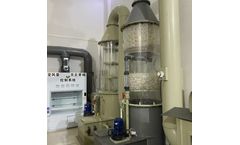
Acidic solution Acid washing is mainly used to eliminate the odor caused by alkaline gases such as ammonia and trimethylamine. Generally, sulfuric acid (0.5%-5% solution) is used as the washing liquid. 3. Sodium hypochlorite solution Sodium hypochlorite is generally used together with acid-base absorbents. ...
The process of water disinfection helps remove, deactivate or kill different types of pathogenic microorganisms. Typically, microorganisms are either deactivated or destroyed, which results in the termination of the reproduction or growth. If you don't drink water that is free of microorganisms, you may end up falling sick. Let's find out more about it. Sterilization is a common process used to ...
ByOlansi

Hello Again. During my 15 plus years in the disinfection business, I have made detailed studies of the different ingredients of disinfection products. I researched their properties, claims, limitations, and effectiveness, to properly understand how a particular disinfectant kills germs, viruses, and pathogens. I could sell any disinfectant that I wanted to, it was a choice many times between ...

The food & drink industry is the largest manufacturing sector in the UK, contributing more than £28bn to the economy every year. This industry and its employees face increased demand from a constantly growing population. As pressure to escalate production increases, the industry cannot afford to neglect the safety of its workers. Food processing and manufacturing facilities must be ...

Chemical action of Ef-Chlor (NaDCC in water) NaDCC + H2O = HClO + Na+ + H2C4 - Hydrolysis of chlorine compound Formation of hypochlorous acid HClO = H+ + ClOStabilization of hypochlorous acid at the pH of water HClO = HCl + [O] Decomposition of HClO to liberate nascent oxygen [O] + MICROORGANISM = HCl + OXIDISED MICRO ORGANISM ...

Chlorine when added to water, forms Hypochlorous Acid and Hydrochloric Acid. The Hypochlorous ions (HOCl)- are highly oxidizing in nature and when it comes in contact with microbe walls, it breaks down the proteins in the cells causing their disintegration and complete eradication from the nucleus. ...
NEUTHOX® removes biofilm in cooling tower and leaves the water system completely free of unwanted bacteria Using an electrolysis process of saltwater the ECA generator produces the liquid NEUTHOX®, which contains hypochlorous acid, and is highly efficient in eliminating bacteria. A biofilm consists of living and dead organic and inorganic material ...