
Refine by
Imaging Microscopy Articles & Analysis
72 articles found

l Staining time and concentration: Overstaining can mask real differences in viability. l Microscopy and imaging: Use consistent settings for fluorescence or absorbance measurements. ...

Combining the principles of traditional FISH with advanced fluorescence microscopy, M-FISH offers unparalleled insights into chromosomal structures, genetic variations, and the intricate architecture of genomes. ...
These probes are then hybridized to the chromosomes, allowing for binding at their complementary DNA sequences. Fluorescence Microscopy: After hybridization, the sample is analyzed using a fluorescence microscope. The various fluorescent signals emitted by each chromosome can be captured, allowing for visualization of their arrangements and structures. Image ...
These services typically encompass high-throughput screening (HTS), electrophysiological assays, and advanced imaging techniques. High-Throughput Screening (HTS) HTS allows researchers to test thousands of compounds rapidly to identify those that modulate ion channel activity. ...

Mobile genetic elements shatter the concept of fixed location genes on chromosomes 1974: Institute for Genetics, Justus-Liebig University, Giessen, Germany. Prof. Fritz Anders (1) passes two papers to his student: “Please read these (2, 3)…. and provide a summary of them next week in our Journal Club!” Published two decades earlier and authored by Dr. ...
Additionally, the application of advanced imaging techniques, such as confocal microscopy and mass spectrometry imaging, provides spatial and temporal insights into the distribution and localization of plant compounds within tissues. ...
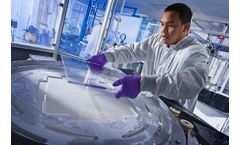
Vacuum windows are typically used in laser systems where they are used to transmit laser beams into or out of vacuum chambers; in spectroscopy where they allow light to enter or exit a spectrometer while maintaining a vacuum environment for accurate measurements; in microscopy where they enable observation of samples under vacuum conditions; in space applications where they ...
The main techniques for protein structure analysis include X-ray crystallography, nuclear magnetic resonance spectroscopy (NMR), cryo-electron microscopy (Cryo-EM), and atomic force microscopy (AFM). Here is a brief introduction in the following. ...

The imaging powers of chemical microscopy have helped to uncover the smallest worlds that we previously never could see. ...

These dyes emit light when excited by specific wavelengths, allowing researchers to visualize the liposomes in real-time using fluorescence microscopy or other imaging techniques. Benefits of fluorescent liposomes Real-time tracking: Researchers can observe the movement of liposomes within tissues and organs, understanding their uptake by cells, ...
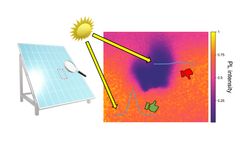
Welcome to Edinburgh Instruments’ monthly blog celebrating our work in Raman, Photoluminescence, and Fluorescence Lifetime Imaging. Every month we will highlight our pick for Map of the Month to show how our spectrometers can be used to reveal all the hidden secrets in your samples.MayWith much of the world aiming to become completely independent of fossil fuels in the near future, there is an ...

An overlay of clusters with the tissue image reveals that the spatial chromatin accessibility clusters precisely match the anatomical regions. ...
However, her team's search for new treatments for acute myeloid leukemia was hampered by a subtle gap between two techniques used to understand protein structure and function—X-ray crystallography on the one hand, and cryo-electron microscopy (cryo-EM) on the other. Researchers from Stanford University School of Medicine and Engineering and the SLAC National Accelerator ...
Although the database also accepts data from other electron microscopy structural analyses, the vast majority of these data are from cryo-EM. cryo-EM generates microscopic images of individual molecules by snap-freezing proteins or other biomolecules and bombarding them with electrons. ...

Pathologists conduct a biopsy on a tissue when a carcinoma case for a patient is suspected. They stain the cells on that tissue using some biochemical materials that react with a certain cell element. They put stained cells onto a slide and examine the cells by using an optical microscope device. In our case, we will focus on H&E stained breast tissue samples. Pathologists keep track of a ...
Fluorescence in situ hybridization (FISH) approach is constituted of a pair of complementary techniques for precisely detecting gene amplification and over-expression which are regarded as signs of cancer in patients. Signal detection of FISH whole slides is extremely significant as enables to detect amplification situation. However, nuclei detection and segmentation of FISH slides through ...
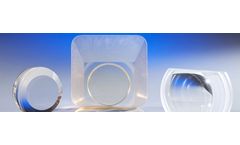
Aspheric lenses (or more simply, aspheres) are used in a wide variety of applications as a way to optimize optical performance while ensuring an efficient design. They are characterized by a radius of curvature that varies from the center to the edge of the lens, affording them greater optical functionality. Because of this, they can reduce the number of elements needed in an optical assembly ...

Choosing the right slide for your experiment, research, classroom or laboratory testing should not have to be a difficult task. However, with hundreds of options it can become a challenge. Thankfully, we have put together this guide for choosing the right type of slide for your project or laboratory. First, let’s take a look at the history of slides. Slides date back to the Victorian ...
Surface radical densities were also shown to increase following plasma activation, having been quantified using a radical scavenging method based on the molecule 2,2-diphenyl-1-picrylhydrazyl (DPPH). The samples were imaged and analyzed using scanning electron microscopy (SEM) and atomic force microscopy (AFM), to confirm that there had been no ...

An adult human brain contains approximately 86 billion neurons, along with about 85 billion non-neuronal cells. All those cells work together to manage motor control, sensory perception, heart rate, breathing, and more. While the human brain is extremely complex, with the ability to process language, it is not totally unique. Most vertebrate brains are quite similar; they all need similar ...