
Refine by
Incineration Efficiency Articles & Analysis
53 articles found
Project Case: 100,000 m³/h Electroplating Sludge Incineration Exhaust Treatment in Zhejiang One of CADAIR’s benchmark projects involved treating high-CO exhaust generated during electroplating sludge incineration.Project Overview Location: Ningbo, ZhejiangTreatment Capacity:100,000 m³/hMain Pollutants:CO (3,000–10,000 mg/m³) SO₂ Halogen-containing gases Organic compounds System ...

Two of the most commonly discussed technologies for waste treatment are pyrolysis and traditional incineration. While both processes are designed to manage waste effectively, they differ considerably in their environmental impact, efficiency, and sustainability. ...
Problem: How to meet the MACT emission standards at the Eli Lilly ...
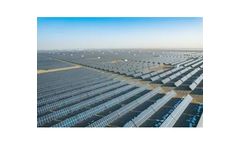
The Zichuan Solid Recovered Fuel (SRF) Plant Project is a mechanical pre-treatment facility for mixed municipal solid waste before incineration. It processes 1,000 tons of waste daily using two-stage shredding and mechanical separation to sort ferrous metals, non-combustibles (e.g., glass, stones, ash), and combustibles. In this project, JONO has implemented its advanced crushing ...
Traditional methods of waste disposal, such as landfilling and incineration, pale in comparison to the efficiency and versatility of pyrolysis. ...
This process holds immense potential for plastic recycling, as it allows for the conversion of plastic waste into valuable products like pyrolysis oil, char, and synthesis gas.Energy Efficiency One of the primary advantages of utilizing plastic pyrolysis machine is the superior energy efficiency compared to incineration. Unlike ...
Low thermal conductivity bricks are desirable as they minimize heat loss and ensure efficient heat distribution within the incinerator. This promotes consistent and uniform temperatures throughout the combustion process.Chemical ResistanceGiven that incinerators handle diverse waste materials, including hazardous substances and corrosive ...
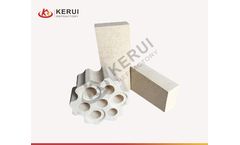
In industrial applications, proper material selection plays an important role in ensuring process efficiency, longevity and safety. High alumina refractory bricks have become an integral part of high temperature environments such as furnaces, kilns and incinerators. ...
In many countries, it's now illegal to transmit scrap road tires to incinerators and land and sea fill sites as a result of damage they cause to natural ecosystems.An advanced pyrolysis reactor will not produce any toxic emissions as it's fitted with advanced dedusting systems. ...
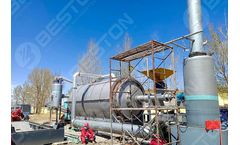
In some countries, it's now illegal to transmit scrap road tires to incinerators and land and sea fill sites as a result of damage they cause to natural ecosystems. ...
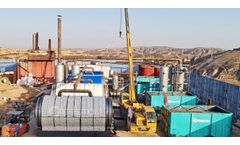
Continuous pyrolysis plants offer numerous advantages over traditional incineration systems. They are more energy-efficient, enable you to process a wider range of materials, and produce less pollution. 1. These are more energy-efficient: Continuous pyrolysis plants can convert as much as 95% of the waste material into usable products, whereas ...
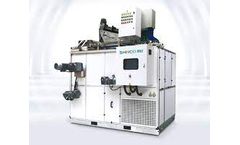
Sludge thermal drying and incineration was the main method of sludge reduction, harmlessness, stabilization, and recycling. ...
The principle advantage is that it is much more efficient and will process larger quantities of tyres. Some great benefits of utilizing a continuous waste tyre pyrolysis plant The pyrolysis machine operates by heating the tyres in a oxygen-free environment. ...
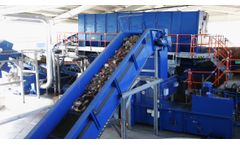
In the household waste management, an crucial step in the process, prior to the actual incineration, is the shredding of the waste to a defined size to ensure that the incineration is efficient. ...
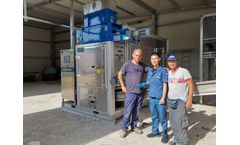
Sludge thermal drying and incineration was the main method of sludge reduction, harmlessness, stabilization, and recycling. ...
In many countries, it's now illegal to deliver scrap road tires to incinerators and land and sea fill sites due to damage they cause to natural ecosystems. ...

If you are considering improving the bio-security on your site by investing in an incinerator, it's useful to have up-to-date information on the regulations and legislation set by the bodies who oversee safe, ethical and efficient incineration. ...
Mobile incinerators are becoming a vital part of waste management for operations in remote locations. In hard to reach locations where resources are scarce, mobile incinerators offer an efficient waste management solution, removing the need to rely on other resources such as wate collection. The main benefits of mobile ...
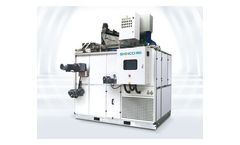
Sludge thermal drying and incineration was the main method of sludge reduction, harmlessness, stabilization, and recycling. ...
In some countries, it's now illegal to deliver scrap road tires to incinerators and land and sea fill sites as a result of damage they cause to natural ecosystems. ...