
Refine by
Incineration Method Articles & Analysis
121 articles found

Transforming Waste into Valuable Resources Industrial operations generate significant quantities of plastic waste, biomass, rubber, sludge, and other carbon-rich residues. Traditional disposal methods, including landfilling and incineration, often result in resource loss and increased greenhouse gas emissions. ...
Traditional disposal practices such as landfilling and open-air incineration have proven increasingly unsustainable. In response, the fully continuous tyre pyrolysis plant has emerged as an advanced technological solution capable of transforming waste tires into reusable energy resources while minimizing ecological impact. ...
Waste Minimization and Resource Recovery One of the primary environmental benefits of an oil sludge pyrolysis plant is its ability to significantly reduce the volume of waste. Traditional disposal methods, such as landfilling or incineration, often result in the long-term accumulation of toxic waste. ...
Furthermore, pyrolysis in the absence of oxygen minimizes harmful emissions, making it a cleaner alternative to traditional incineration methods. Environmental Benefits of Straw Charcoal Production The role of the straw charcoal making machine in waste-to-energy projects offers a range of environmental benefits. ...
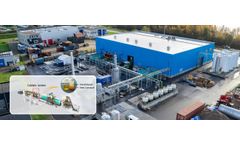
The proliferation of plastic waste has become one of the most pressing environmental challenges of the century. Conventional disposal methods such as landfilling and incineration are increasingly restricted by regulatory pressure and public concern. ...
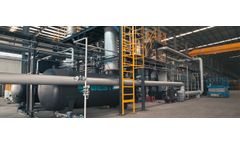
Urban centers generate an immense volume of end-of-life tyres each year, and conventional disposal methods such as incineration or landfilling exacerbate environmental burdens. ...
Waste Reduction Traditional waste disposal methods, such as landfilling and incineration, contribute to pollution and the depletion of natural resources. Pyrolysis offers a sustainable solution by converting waste into valuable by-products, reducing the amount of waste that ends up in landfills or incinerators. 2. Energy Recovery One of the major ...

Instead of relying on a single method of waste elimination-such as landfilling-it incorporates reduction, reuse, recycling, and proper treatment. ...
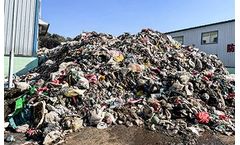
After proper classification, most non-recyclable municipal solid waste undergoes non-hazardous treatment through methods such as landfilling and incineration. What is Resource Recovery from Municipal Solid Waste? ...

With demolition activities producing vast amounts of concrete, bricks, and asphalt debris, traditional disposal methods such as landfilling and incineration pose significant environmental hazards. ...

The disposal of this litter is a pressing environmental issue because, if left untreated, it can lead to water contamination, greenhouse gas emissions, and the spread of pathogens. Traditional disposal methods, such as landfilling, incineration, or spreading on fields as fertilizer, come with their own set of challenges. ...
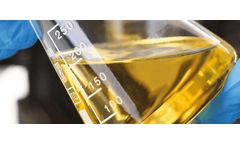
Environmental Benefits and Sustainability The production of plastic naphtha through pyrolysis offers a compelling alternative to traditional waste disposal methods, such as incineration or landfilling. By converting waste plastics into valuable hydrocarbon fuels, this process helps reduce environmental pollution and contributes to the sustainability of the ...

Utilizing Forest Waste as a Resource Forest waste, including branches, leaves, and other organic debris, often goes unused or is incinerated in open environments. This disposal method contributes to air pollution and forest degradation. ...
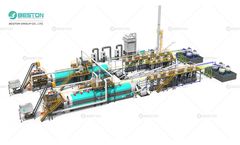
Moreover, the hydrocarbon content represents an untapped resource that can be recovered and reused. Traditional disposal methods, such as landfilling or incineration, are increasingly being replaced by advanced technologies like thermal desorption. ...
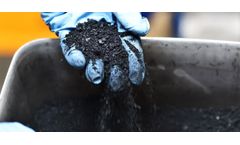
The increasing accumulation of waste tyres is a growing environmental concern, with billions of tyres discarded every year. Conventional disposal methods, such as incineration and landfilling, are both inefficient and environmentally damaging. ...
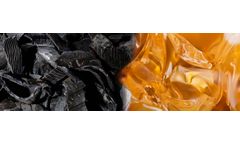
While historically tyres were either sent to landfills or incinerated, advancements in technology have opened new, more sustainable pathways for their disposal. ...
This process also minimizes harmful emissions compared to traditional waste disposal methods, such as incineration or landfill dumping, making it an eco-friendly choice for waste management. ...
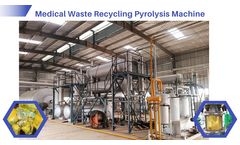
Medical waste can be processed using pyrolysis technology, and recycling it through this method offers several advantages. Here’s why pyrolysis machine is considered a viable option for recycling medical waste:1. ...
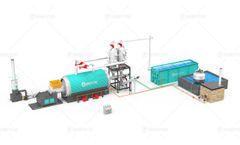
The pursuit of sustainable energy sources has intensified as the world grapples with the dual challenges of waste management and energy security. Plastic pyrolysis, a method of converting plastic waste into valuable fuels, has emerged as a significant alternative fuel production solution. ...
Carbon Emission Reduction: Traditional plastic disposal methods, such as incineration and landfilling, release greenhouse gases, including carbon dioxide and methane. ...