
Refine by
Incinerator Articles & Analysis
1,427 articles found
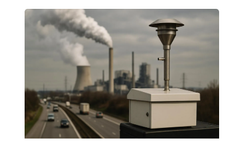
The following elements are measured by Xact and their typical source associations:Al — CrustalSi — Crustal, brakes, road dustP — Sea salt, volcanic activityS — Ship emissions, secondary aerosol, coal combustion, fireworksCl — Sea salt, secondary aerosol, brick kiln, steel production, garbage burning, fireworks, road de-icerK — Biomass burning, waste incineration, coal combustion, ...

llenges of Flue Gas Treatment in Waste-to-Energy Facilities Municipal Solid Waste (MSW) incineration with power generation is one of the most effective methods for waste reduction, resource recovery, and environmentally sound disposal. ...
Through multiple successful projects across China, CADAIR has demonstrated how hazardous waste incineration exhaust can be transformed from an environmental liability into a source of recoverable energy. ...
Managing medical waste is a challenge for any community, but islands operate under a distinct set of constraints. Limited landfill capacity, expensive over-water transport logistics, and fragile ecosystems leave little room for error. For waste transporters looking to expand into processing, these challenges present a unique opportunity. Islands need a solution that can operate efficiently and ...
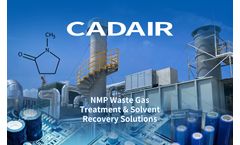
CADAIR delivers professional treatment and recovery systems specially designed for industrial waste gas containing N-Methylpyrrolidone (NMP). Differing from traditional incineration technology, our solutions adopt physical adsorption solvent recovery routes, featuring high cost-effectiveness and outstanding processing efficiency. ...

The increasing accumulation of discarded tyres has intensified pressure on waste management infrastructures worldwide. Landfilling and open-air incineration remain environmentally detrimental due to long degradation periods, toxic emissions, and soil contamination risks. ...
RTO Traditional RTO: Purchase new solvents + pay for waste gas incineration → Double cost consumption. KF Solvent Recovery: One-time solvent purchase, 95%-99% solvent recyclable. 6. ...
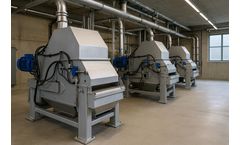
The modernization shifts sludge handling from direct incineration to energy recovery through digestion towers before dewatering.The project comprises three TurboDrain TDC 5 units commissioned in the third and fourth quarters of 2025. ...
Traditional disposal methods, including landfilling and open incineration, contribute to soil degradation, water contamination, and the emission of hazardous gases. ...
Conventional acid digestion or high-temperature incineration cannot achieve complete decomposition, and has disadvantages such as long time consumption and easy secondary pollution, which directly affect the accuracy and reliability of subsequent detection results. ...
Proven Success Cases 1.Ningbo hazardous waste rotary kiln project: "Baghouse + 5-bed RTO" treats 3,000-10,000 mg/m³ high-concentration CO and corrosive gases with ≥99% removal efficiency and stable operation. 2.Guangdong waste incineration project: "Wet desulfurization + 5-bed RTO + SCR" uses CO chemical heat for SCR heating, delivering notable annual energy savings. ...
Traditional disposal practices such as landfilling and open-air incineration have proven increasingly unsustainable. In response, the fully continuous tyre pyrolysis plant has emerged as an advanced technological solution capable of transforming waste tires into reusable energy resources while minimizing ecological impact. ...
Full carbon accounting that beats incineration (Waste-to-Energy) by a mile. The Bottom Line The EU isn't just banning straws or plastic bags anymore. Through the WSR and PPWR, they are restructuring the entire economic value of waste. Incineration is no longer sustainable due to carbon taxes. Landfill is banned in most of Europe. ...
Traditional disposal methods, such as landfilling or incineration, often result in the long-term accumulation of toxic waste. ...
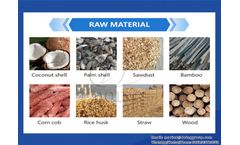
Furthermore, by converting waste into clean fuel, the charcoal production process helps alleviate pressure on forests and mitigates the environmental pollution that would otherwise result from the direct incineration of waste. Investing in charcoal production in Indonesia is, therefore, a prudent strategic move that effectively integrates commercial profitability with ...
By converting plastic waste into reusable energy resources, continuous plastic pyrolysis helps prevent plastics from being landfilled, incinerated, or leaking into oceans and ecosystems. Additionally, modern pyrolysis systems are designed with emission control technologies that reduce pollutants such as dust, sulfur compounds, and volatile organic compounds. ...
Most plastics are linear: fossil fuel → product → landfill or incinerator. Even mechanical recycling (shredding and remelting) degrades polymer chains, turning bottles into park benches that eventually end up in the ground. ...
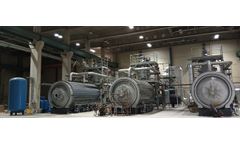
Traditional methods of waste disposal, such as landfilling and incineration, are becoming increasingly unsustainable due to their environmental and health risks. ...
They offer a scalable and sustainable solution for transforming organic and plastic waste into useful resources, reducing the need for landfilling and incineration, both of which contribute to environmental degradation. Conclusion The innovations in continuous pyrolysis reactor design are transforming the way waste is managed and processed in the quest for zero-waste communities. ...
Furthermore, pyrolysis in the absence of oxygen minimizes harmful emissions, making it a cleaner alternative to traditional incineration methods. Environmental Benefits of Straw Charcoal Production The role of the straw charcoal making machine in waste-to-energy projects offers a range of environmental benefits. ...