
Refine by
Incinerator Ash Articles & Analysis
57 articles found

While it can effectively reduce the volume of waste, incineration has several environmental drawbacks, as highlighted by LCA studies. ...
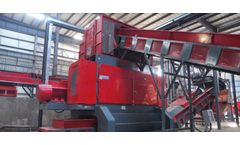
European Union: Only 48% of solid waste is recycled or composted, while the remaining 52% is landfilled or incinerated (European Environment Agency data). Japan: Over 70% of waste is incinerated, but carbon emissions and ash disposal remain major challenges. ...
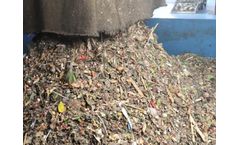
The analysis results show that: In a scenario where landfilling is the main part and biogas is partially recycled for power generation, the emission equivalent is 0.61 ton CO2/ton of garbage; In the scenario of mainly incineration and landfilling of ash and slag, the emission equivalent is -0.12 ton CO2/ton of garbage. Compared with landfill disposal, waste ...
Incinerators, crucial in waste management and industrial processes, rely on high-quality refractory bricks to withstand extreme temperatures and harsh conditions. ...
We believe we can contribute to the development of the EfW industry as our work prevents landfilling of the incinerated bottom ash, and reduces the negative impacts from the extraction of virgin raw materials by producing a manufactured aggregate that contributes to the circular economy. ...
The United Kingdom has a long established Energy from Waste industry, and Blue Phoenix Group began its life offering an alternative from landfill for the IBA (Incinerator Bottom Ash) from this customer base. The processing of IBA provides a valuable supply of non-ferrous and ferrous metals for further recycling and an aggregate suitable for use in Construction. ...
Great things about using a continuous pyrolysis plant A continuous pyrolysis plant offers a number of advantages over other waste disposal methods, for example incineration and landfill. Pyrolysis is really a thermal decomposition method that fails organic matter into combustible gases and char. ...
Great things about by using a continuous pyrolysis plant A continuous pyrolysis plant offers numerous advantages over other waste disposal methods, including incineration and landfill. Pyrolysis is a thermal decomposition method that stops working organic matter into combustible gases and char. ...
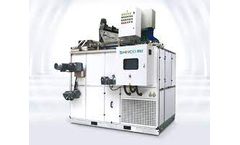
In fact, the safer building materials utilization process is suggested as: dehydration + drying + incineration + ash making bricks or cement kiln utilization. When choosing the countermeasures for the utilization and disposal of sludge building materials, there are also issues that need to be paid attention to: ? ...
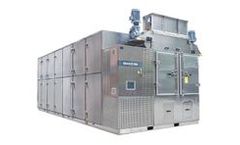
At present, the commonly used disposal methodsin China include land use (agricultural), incineration, and sanitary landfill. But these disposal methods have now encountered obstacles to varying degrees: land interest. The use of sludge requires high mud quality, and heavy metals and other toxic and harmful substances in the sludge often exceed the standard; due to the high ...
The uniqueness of the technology for processing waste into cement lies in the complete absence of unsafe ash. Ash residue directly in the kiln reacts with raw materials and forms clinker, an intermediate product in the production of cement. At the same time, during disposal at waste incineration plants, about 20% of the ash ...
After the sludge is incinerated, sterile, odorless inorganic residues are produced, and the volume is greatly reduced. It is a reliable and effective sludge disposal method. Sludge incineration ash can be effectively used in construction materials such as asphalt fillers and lightweight substrates, such as the main raw materials for making ...
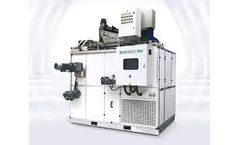
After years of exploration, China's sludge treatment and disposal industry has mainly formed four mainstream technical routes for stable treatment and safe disposal: "anaerobic digestion + land use", "aerobic fermentation + land use", "dry incineration + ash landfill or building materials utilization", and "deep dehydration + emergency landfill", which ...
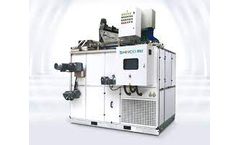
Inorganic sludge is generally hydrophobic sludge. (4) According to the classification and naming of the sludge in different treatment stages, there are raw sludge, thickened sludge, digested sludge, dehydrated and dried sludge, dried sludge and sludge incineration ash, etc. This method is the most commonly used method of sludge ...
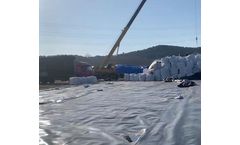
With the rapid increase in the amount of domestic waste incineration, the amount of waste incineration fly ash is also increasing. At present, after all, domestic waste in Shijiazhuang City is burned, about 400 tons of fly ash will be produced every day. According to relevant regulations, waste incineration fly ...
After years of exploration, China's sludge treatment and disposal industry has mainly formed four mainstream technical routes for stable treatment and safe disposal: "anaerobic digestion + land use", "aerobic fermentation + land use", "dry incineration + ash landfill or building materials utilization", and "deep dehydration + emergency landfill", which ...
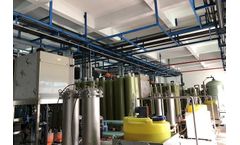
Application: Fly Ash Washing Wastewater / Leachate Concentrate Scale: 200 tons / day of Fly Ash Washing Wastewater, 600 tons INTRODUCTION Scale: 200 tons / day of fly ash washing wastewater for incineration power plants + 600 tons / day of concentrated leachate Process: DTRO Project time: ...
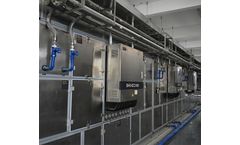
In cases where the sludge is too toxic to be reused or buried, you can simply incinerate the sludge and convert it into ash. While sewage sludge is usually treated using a standard plan of action, it is extremely important to factor in aspects like the origin of the sewage, the treatment process used to reduce the sewage to sludge, as well as the possible ...
The Board of Directors of Blue Phoenix Group is pleased that with Daiwa ICP European Infrastructure 1 as additional shareholder the Group can further focus on its international expansion strategy of servicing EfW companies with sustainable solutions for Incinerator Bottom Ash. About Daiwa ICP European Infrastructure 1 Daiwa ICP European Infrastructure 1 is a ...
Therefore, the sludge burial treatment method has exacerbated the contradiction between population and land resources to a certain extent. The advantages of dry incineration of sludge compared with landfill treatment are obvious, which are mainly reflected in: ①reduce the area of sludge; ②incineration can decompose some non-degradable organic matter in sludge at ...