
Refine by
Incinerator Sludge Articles & Analysis
86 articles found
Through multiple successful projects across China, CADAIR has demonstrated how hazardous waste incineration exhaust can be transformed from an environmental liability into a source of recoverable energy. ...
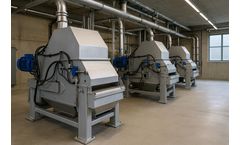
Basel's plant is among the largest in Switzerland, treating approximately 30 million cubic meters of influent annually. The modernization shifts sludge handling from direct incineration to energy recovery through digestion towers before dewatering.The project comprises three TurboDrain TDC 5 units commissioned in the third and fourth quarters of 2025. The process ...

Pyrolysis equipment can significantly reduce carbon emissions when treating organic waste compared to traditional treatment methods. Take the treatment of oily sludge as an example. Traditional incineration produces significant carbon dioxide emissions. Pyrolysis equipment, however, uses pyrolysis technology to convert the organic matter in oily ...
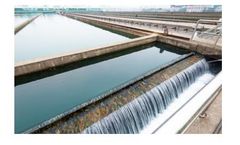
The Struggle: While many plants are moving toward energy neutrality by harvesting methane from sludge to generate their own power, retrofitting these systems is expensive and technically complex. 4. Sludge Management When you separate the clean water from the waste, you are left with a semi-solid byproduct called sludge. ...
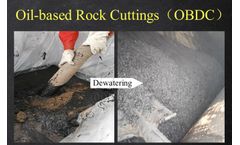
Despite the many benefits of oil sludge utilization, significant challenges such as cost remain. Oil sludge can be used as fuel, and this is mainly achieved through the following methods: 1. Direct combustion Some types of oil sludge, especially those with a high organic matter content, can be dried and then directly burned in special boilers ...

Oil sludge pyrolysis technology stands at the forefront of sustainable waste management solutions, offering a promising avenue for energy regeneration and environmental conservation. ...
Thermal desorption units offer an effective solution for treating contaminated soils by thermally desorbing the hydrocarbons, leaving behind clean soil that can be returned to the environment or repurposed for construction projects. 3. Tank Bottom Sludge: Tank bottom sludge, generated from oil storage tanks and refinery processes, contains a mixture of ...
Oil sludge pyrolysis plants utilize a thermochemical process known as pyrolysis to decompose oil sludge into three primary components: liquid hydrocarbons (pyrolysis oil), combustible gases (syngas), and solid residues (char). ...
Screening Neutralization Sedimentation Equalization Coagulation & Flocculation Dissolved Air Flotation (DAF) --Secondary treament Secondary Treatment degrades soluble compounds aerobically where they may be pre-treated anaerobically according to the industry. Activated Sludge Tanks (AST) Membrane Bio Reactors (MBR) Rotating Biological Contactors (RBC) Expended Granular ...
Equally important was to improve the possibilities to incinerate the sludge generated in the paper recycling process and to supply district heat to the municipality. The de-inking sludge is relatively easy to dewater and rich in fiber, but with a high ash content. Hence, to increase the specific heat of the sludge our indirect ...
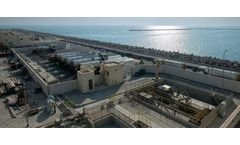
The Muharraq WWTP started operating in 2014 and is currently operating at its maximum design capacity of 100,000 m3/day. Almar Water Solutions has brought to the project, and the region, the capacity to develop the future expansion of Muharraq – the plant has an expansion plan of an extra 60,000 m3/day – or any other water projects under PPP schemes. According to a study by the World ...

Based on the sludge incineration and disposal project of an urban sewage treatment plant in Changzhou City, this paper summarizes the main pollution problems and control measures in the process of sludge drying and incineration from the perspective of disposal technology, and provides a reference for the ...
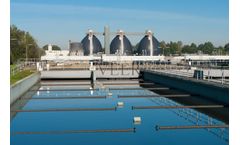
In sewage sludge incineration, the drier the sludge is, the less water it contains, and the more suitable for incineration. Due to the different water content of sludge, different incinerators should be used. For example, when treating completely dry powder sludge and granular ...
According to the actual experience at home and abroad, incineration after sludge drying is the best way to treat sludge. Sludge is the sediment produced by different separation methods to remove solid substances in the solution during the treatment of industrial wastewater and urban sewage in the sewage treatment plant. According ...
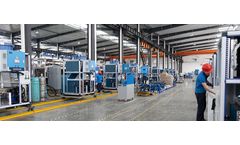
Generally, the moisture content of mechanically dewatered sludge discharged from sewage plants is still as high as 60%~80%, and the disposal methods such as composting, incineration and landfilling of sludge require further drying of the moisture content of sludge to 40%~50%, or even lower. ...

It is proposed to build a sludge thermal drying plant in the reserved land for a power plant in Chongqing. ...
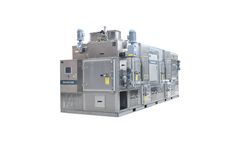
This is done in order to keep the treatment processes compact and in balance (production of sludge approximately equal to the removal of sludge). The sludge removed from the liquid line goes to the sludge treatment line. Aerobic processes (such as the activated sludge process) tend to produce more ...
Water removal is the primary means of weight and volume reduction, while pathogen destruction is frequently accomplished through heating during thermophilic digestion, composting, or incineration. The choice of a sludge treatment method depends on the volume of sludge generated, and comparison of treatment costs required for available disposal ...
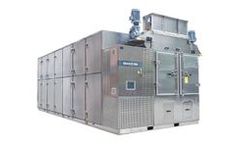
Generally, the moisture content of mechanically dewatered sludge discharged from sewage plants is still as high as 60%~80%, and the disposal methods such as composting, incineration and landfilling of sludge require further drying of the moisture content of sludge to 40%~50%, or even lower. ...
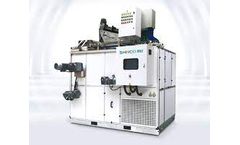
Sludge thermal drying and incineration was the main method of sludge reduction, harmlessness, stabilization, and recycling. ...