
Refine by
Industrial Boiler Articles & Analysis
173 articles found
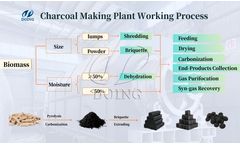
Within the biomass resource recycling industry, biochar and biocoal are two project areas that have garnered significant interest from investors. ...
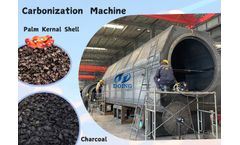
It can be utilized in fields such as soil improvement, carbon sequestration, industrial fuel substitution, and adsorption for water treatment, transforming low-value waste into useful resources. ...

Industrial waste management has become one of the defining environmental challenges of modern manufacturing economies. ...

Turnkey boiler systems avoid the risks and complexities that come with a boiler overhaul. Using modular parts streamlines the process even further. Modern high-output electrode boilers are redefining how industrial facilities and district heating networks generate steam and hot water. ...
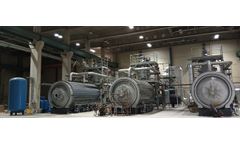
The pyrolysis process produces high-quality fuel oil, which can be used as a substitute for conventional fossil fuels in industrial boilers, generators, and even in the production of electricity. ...
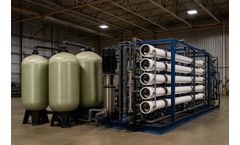
Renewable energy facilities must balance water reliability with sustainability performance. Why Industrial Feedwater Quality Matters Feedwater refers to water used within industrial processes, including boilers, cooling systems, cleaning operations, and production lines. ...
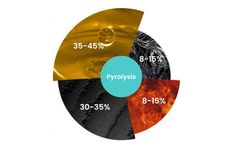
Each output possesses distinct physicochemical characteristics and serves a specific role in industrial energy recovery and material production. Fuel Oil Recovery and Applications The primary output of a waste tyre pyrolysis plant is pyrolytic oil, constituting nearly 35–45% of the total yield. ...
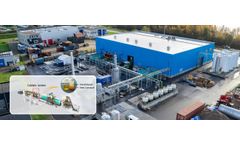
Fuel oil extracted through pyrolysis is suitable for industrial boilers, heavy machinery, and in some cases as feedstock for refining processes. ...

Pyrolysis oil can be used directly for industrial or boiler heating (e.g., in cement plants, steel mills, and glass factories). ...
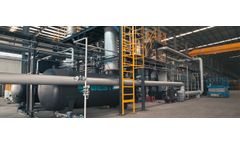
Recovery of Renewable Fuel The principal output of a tyre to oil plant is fuel oil, which can serve as a substitute for conventional fossil fuels in industrial boilers, furnaces, or power generation units. This recovery process not only reduces reliance on petroleum extraction but also supplies urban industries with a locally available energy ...

Pressure transducers play a crucial role in various industries, enabling the measurement and monitoring of pressure in different systems and processes. ...
Applications of Pyrolysis Oil The oil produced through plastic to oil conversion can be: Refined into transportation fuels such as diesel or gasoline. Used directly in industrial boilers, furnaces, and cement kilns. Processed into valuable petrochemicals for plastics manufacturing. By adopting catalytic methods, industries can more easily turn ...

In modern industrial and civil fields, pipeline systems transport water, gas, oil, chemical media, etc. like blood vessels. ...
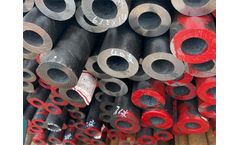
The differences in application fields Alloy steel seamless pipe Due to the strong mechanical properties of alloy steel, it is widely used in industries that require high performance, such as High temperature and high pressure: Chemical industry, petroleum cracking, boilers, steam turbines Corrosion-resistant applications: Offshore platforms, acid ...

Biomass pyrolysis plants not only offer a sustainable method for energy production but also provide an eco-friendly approach to managing agricultural, industrial, and municipal waste. With concerns over carbon emissions, waste accumulation, and resource depletion, biomass pyrolysis is becoming a critical component of the global move toward circular economies and green energy. ...
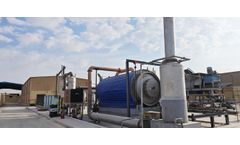
Through controlled thermal decomposition in an oxygen-free environment, tyre pyrolysis plants convert scrap rubber into valuable resources with diverse industrial applications. Core Process and Output Composition A modern waste tyre pyrolysis machine operates through indirect heating, elevating shredded rubber to temperatures between 350°C and 500°C. ...
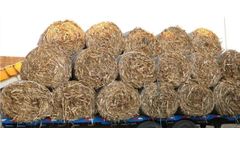
This "coal and biomass dancing in the same furnace" model, with its low retrofitting costs, is the mainstream choice for small industrial kilns/boilers. Coupled Co-Firing: Chongqing Conch Cement’s biomass co-firing project utilizes locally abundant agricultural and forestry waste, such as bamboo scraps and straw. ...

Biochar can be used as an efficient soil conditioner in agricultural production to improve soil fertility and crop yield; it can also be used as a high-quality fuel in industrial boilers and civil heating. Biomass gas is a clean energy that can be used for power generation, heating and driving gas engines, etc., providing users with a renewable energy ...
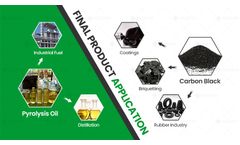
These fuel oils have a high calorific value and can be used as an alternative fuel for industrial boilers and kilns, effectively reducing the company's dependence on traditional fossil fuels. ...

These include long-term emissions monitoring for industrial furnaces, large boiler systems, gas engines, and even small-scale combustion systems. ...