
Refine by
Industrial Cooling Articles & Analysis
154 articles found
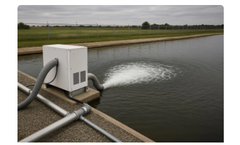
Advanced nanobubble technology provides a smarter solution to elevate dissolved oxygen levels while reducing chemical and energy use.The nanobubble system has transformed the water environment in industrial contexts by generating ultra-fine, highly stable bubbles that supply oxygen efficiently and support natural water quality.Advanced nanobubble technology yields tangible ...
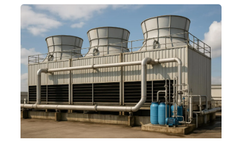
Industrial cooling towers require reliable water treatment to maintain operation and energy efficiency. ...
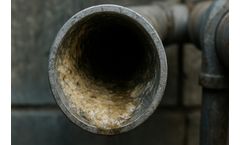
Biofilm is increasingly recognized as one of the most persistent and costly operational challenges across industrial water systems, wastewater infrastructure, agriculture, cooling towers, and food processing environments.Unlike loose contamination, biofilm forms structured microbial communities that attach directly to surfaces within pipelines, tanks, drains, ...
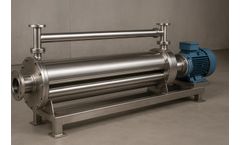
The R and RHD Series are designed for both hygienic and industrial applications, including heating, cooling, pasteurisation, and evaporation of a wide range of products such as concentrated dairy, nut butters, sauces, minced meat, viscera, pet food, and thick cosmetics like creams and gels. ...
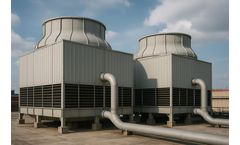
Industrial cooling towers are essential for heat rejection in many facilities but create conditions that favor Legionella proliferation. ...

For a detailed framework on diagnosing and resolving lake algae problems, guidance is provided in industry resources on algae control and nutrient management. The EPA’s nutrient criteria guidance for lakes and reservoirs explains why sustained nutrient management is essential for protecting aquatic life and drinking water sources. ...
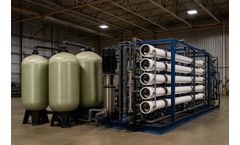
Industrial operations across manufacturing, chemicals, energy, food processing, and heavy industry face increasing pressure to manage feedwater more effectively. ...
Filtration & Separation Enhancing Strainer Efficiency Targeted modifications can enhance the performance of automatic self-cleaning scraper strainers, says Robert Presser, President of Acme Engineering Products For industrial plant managers, automatic scraper strainers are among the closest solutions to a true “set-and-forget” system, effectively removing both ...
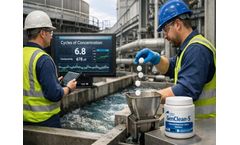
Industrial facilities operating cooling towers face a persistent challenge: balancing water conservation with system reliability. ...

Abstract Persistent microbiological fouling in open-recirculating cooling systems drives excess chlorine demand, equipment fouling, and operating cost. ...
Data centers consume approximately 200 billion gallons of water annually in the United States alone, with cooling systems accounting for 80-90% of that demand. As water scarcity intensifies across major data center markets—from Phoenix to Northern Virginia—operations managers face a critical challenge: maintaining uptime while addressing water availability constraints ...
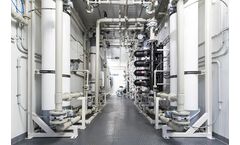
Now is the time to lay the groundwork for greater efficiency and compliance Water is the lifeblood of communities, industries, and ecosystems. As population pressures, climate uncertainty, and stricter regulatory demands mount, the water and wastewater sectors are entering a period of rapid transformation. For firms, municipalities, and regulators alike, staying ahead means embracing innovation ...

Fresh water is reaching a breaking point. The question that is being asked by cities, farms, and others is similar: how can we maintain clean, dependable, and affordable? The core process of the solution is water technology, a viable combination of environmental science and technology. Small sensors, stronger filters, and chemical-free methods now give managers live information and real options. ...

The exponential growth of artificial intelligence and cloud computing has transformed data centers from background infrastructure into critical water consumers. A typical hyperscale facility can consume 300,000 to 5 million gallons of water daily—equivalent to the usage of a small city. As regulatory frameworks tighten across the USA, Singapore, and the EU, facility directors face mounting ...

Water Utilities: Used for raw water and tap water flow measurement in rivers, lakes, and reservoirs. Chemical and Metallurgical Industries: Primarily used for industrial circulating water flow measurement and water consumption measurement in production processes. Mining: Used for mine drainage flow measurement. Other Industrial Sectors: Used for ...
The commercial/industrial cooling tower landscape has evolved dramatically over recent years, yet many water and wastewater treatment professionals are still applying yesterday’s solutions to today’s complex operational challenges. ...
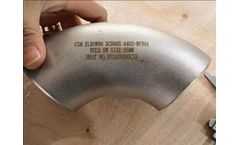
In modern industrial and civil fields, pipeline systems transport water, gas, oil, chemical media, etc. like blood vessels. ...
Biofilms can develop easily in water pipes, industrial cooling systems, and even rivers and streams. Any efficient water treatment system must address the problem of biofilm and bacteria and eliminate ...

Cooling systems are critical for large plants, power stations, and refineries for improving operational efficiency. ...
Corrosive liquid: Since only the lining and electrodes of the sensor part are in contact with the measured liquid, as long as the electrode and lining materials are reasonably selected, the split electromagnetic flowmeter can be used to measure corrosive liquids. 2. Industrial field Water treatment industry: used to measure the inlet and outlet flow of water ...