
Refine by
Industrial Runoff Articles & Analysis
50 articles found

Industrial water pollution is a widespread problem throughout the planet. ...
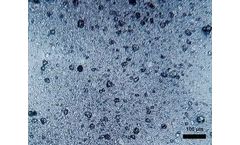
Water contaminants are harmful substances that compromise drinking water safety and quality, ranging from naturally occurring substances to industrial byproducts. These pollutants enter our water sources through multiple pathways: industrial discharges, agricultural runoff, and natural geological processes. ...

Presence of pathogens that spread disease. Industrial or chemical runoff affecting water safety.STS Lab offers comprehensive irrigation water testing with detailed reports. ...

Environmental dredging has emerged as a critical solution to address water pollution, sediment contamination, and ecosystem degradation. With increasing industrialization and urbanization, waterways worldwide are facing unprecedented levels of pollution, sediment buildup, and ecological imbalance. ...

It requires industries to follow legal guidelines to minimize their environmental impact. 2. ...
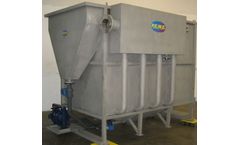
Oil-water separators are essential systems used to remove oil from water in various industrial applications. These systems are particularly important in industries like oil and gas, wastewater treatment, maritime operations, and manufacturing, where oil spills, leaks, and contaminated runoff pose environmental and operational challenges. ...
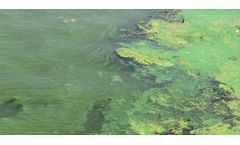
Summary Explore a holistic approach to combat surface water pollution, focusing on controlling harmful algal blooms (HABs). Discover how real-time data, technology, and nature-based solutions can transform water management, enhance collaboration among stakeholders, and ensure sustainable, long-term protection of aquatic ecosystems. Surface water pollution is a global issue, with over 50% of ...

By addressing specific contaminants produced by different industries, TDUs offer targeted solutions for environmental stewardship.VI. ...

Pollution Control: Acid rain, agricultural runoff, and industrial waste are all culprits in disrupting aquatic pH. ...

Monitoring Pollution: Monitoring dissolved oxygen helps identify sources of pollution, such as nutrient runoff or wastewater discharges, which can deplete oxygen levels. Wastewater Treatment: In wastewater treatment plants, dissolved oxygen is crucial for the growth of beneficial bacteria that help in breaking down organic matter. ...
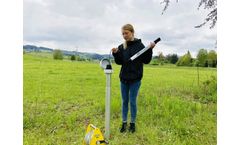
Monitoring the conductivity of groundwater and surface water is an essential task for maintaining the quality and safety of our water resources. Continuous monitoring of conductivity can help identify long-term trends and seasonal variations in water quality, which are used to predict changes in water availability and quality over time. This can aid in the development of effective ...

Whether it’s sewage, domestic greywater or industrial run-off, wastewater recycling can play a critical role in averting the water crisis. Water scarcity is a significant climate change risk, but several other factors converge to make it a bigger problem than people realise. Add localised population growth, increased urbanisation, and water mismanagement, and you have a ...

Some of our customers who have worked in the cross connection industry for decades have regaled us with laugh out loud stories about similar incidents, including one in the 1980s involving wine in a Georgia town’s water supply. ...
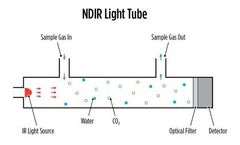
Total organic carbon analyzers yield results that provide information on the safety of drinking water and water systems, product quality and giveaway, process optimization, and environmental impact in a variety of applications, such as: Municipal wastewater and treatment Airport runoff Industrial runoff Food ...

Key Points: Rain is the ultimate cleaning agent of our world, but what happens with pollutant-laden stormwater runoff from urban and industrial environments really matters. This article analyzes why stormwater can be harmful, what kind of pollutants it can contain, and how it can affect the environment. ...
As the human population grows and industrial and agricultural activities increase, water quality is becoming one of the most pressing environmental and health issues of the 21st century. ...

Wastewater is classified as used water from any combination of domestic, industrial, commercial, agricultural activities, surface runoff, or storm water. ...
Several states have identified BOD as a pollutant-of-concern related to runoff of stormwater from areas that are associated with industrial activities, and, as a result, have specified water quality limits or objectives for BOD in stormwater discharges from industrial facilities. Because BOD is not one specific pollutant, it can be difficult to ...

EWG also recommends proactively keeping industrial runoff contamination, fertilizer runoff, and nitrate-laden manure out of source water with buffers and cover crops before they become a problem. ...
Such chemicals are commonly used in plastics, synthetic fibers, pesticides, and solvents, so they tend to originate from agricultural runoff and industrial discharge.InorganicsElements and compounds with easier to pronounce names like arsenic and lead. ...