
Industrial Sludge Processing Articles & Analysis
16 articles found
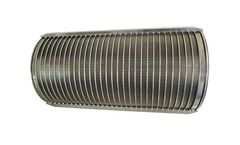
The screw press wedge wire screen cylinder is designed for modern industrial dewatering and filtration systems. The screw press screen can achieve efficient solid-liquid separation for wastewater treatment, food processing, and pulp manufacturing. ...

This innovative technology plays a crucial role in various industries, from municipal wastewater treatment plants to industrial processes generating sludge. ...
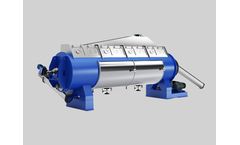
How to properly dispose of the pollution of industrial sludge has become the premise for the long-term sustainable development of industrial enterprises. The industrial sludge dryer is the core equipment for processing and disposing of high-humidity and high-viscosity industrial ...
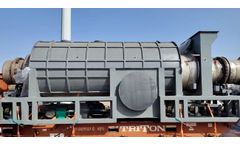
Within this process, the materials with large molecule chains are broken down into materials with small molecule chains. ...
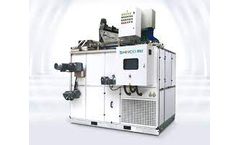
Sludge is a collective term for various types of sediments and floating objects produced by different treatment processes in water supply and wastewater treatment. The composition and properties of the sludge mainly depend on the composition, properties and treatment process. ...
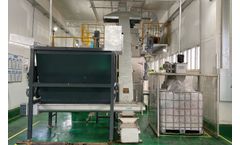
With the improvement of people's living standards and the rapid development of the garment industry, the sludge produced in the process of fabric processing, printing&dyeing is increasing day by day. ...

A pyrolysis process is really a chemical reaction that happens in the lack of oxygen at high temperature. With this process, the type of material with large molecule chains are separated into materials with small molecule chains. ...

What Is Sludge vs. Sludge Cake? Sludge dewatering is a process in which a sludge slurry (sludge) is made more solid by removing water from its contents to form a sludge cake. A wide variety of municipal and industrial processes will create ...
We will discuss below seven common pitfalls in choosing a chemical coagulation water treatment system for your municipal or industrial water treatment process. *Sludge volume One of the most prevalent and obvious disadvantages to any type of coagulation process is the resulting sludge. ...
It is possible to take sludge and convert this into a biofuel. This is becoming more common every single day. ...

Back in the late 1980’s when market drivers created the cost-effective option of using above-ground circular tanks for industrial activated sludge processes, there were some early valuable lessons for both aeration equipment manufacturers and plant operators. ...

The present study demonstrates the application of in situ microscopy for monitoring the growth of filamentous bacteria which can induce disturbances in an industrial activated sludge process. An in situ microscope (ISM) is immersed directly into samples of activated sludge with Microthrix parvicella as dominating species. ...

Also called gray water, a facility's waste- wilier may have been heated through hot-water tanks, industrial processes or simply from passing through the heated building. ...
Wastewater (or grey water) may have been heated through hot-water tanks, dishwashers, laundry facilities, industrial processes, or simply from passing through a heated building. ...

Polyhydroxyalkanoate (PHA) production by activated sludge treating food industrial wastewaters was evaluated. Influence of wastewater characteristics on PHA production activities of non–acclimatised and acclimatised sludge were determined. ...

Especially wastewater treatment plants with inflows from the food processing industry often face sludges with problematic dewatering characteristics. ...