
Refine by
Infectious Disease Control Articles & Analysis
14 articles found

Antibiotics play a crucial role in treating infectious diseases in humans and controlling the spread of diseases among livestock and crops in agriculture. ...
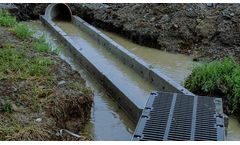
Sanitation systems are another core part of the water cycle as they manage the entire network from their source to their point of use or end-of-life disposal. Technology is also set to play a key role in these networks in 2024, not only to ensure that they run smoothly, but also to respond to extreme events and control the spread of ...
ByIdrica

Aluminum hydroxide adjuvants are prepared by adding sodium hydroxide to a solution of aluminum ions under carefully controlled conditions. Temperature, concentration and mixing rate are factors that affect the physicochemical properties of the adjuvant produced. ...

Infectious diseases seriously threaten human health, and various infectious diseases may cause millions of severe cases and even death every year. ...

Vaccines are one of the most cost-effective means of preventing and controlling infectious diseases. In 2021, Science listed "development of next generation vaccines" as one of 125 cutting-edge scientific issues (www.science.org/content/resource/125-questions-exploration-and-discovery). ...

From the eradication of smallpox through to the global response to the COVID-19 pandemic, vaccines have been a cornerstone in the fight against infectious diseases in humans and livestock since the 18th century. Although vaccines against COVID-19 are unlikely to eradicate the disease in the way that the smallpox vaccine did, they have proved very ...

Covid-19 has had a profound effect on people, business, and social norms. Employees and residents of long term care centers have been some of greatly impacted by the challenges of this pandemic. ...

The Virginia Department of Health (VDH) identified an increase in Legionnaires’ disease cases in Chesterfield County and requested assistance from the Centers for Disease Control and Prevention (CDC). ...

At a Glance A new study proves that while adding chlorine to water has kept water clearer of diseases such as cholera and typhoid fever, it can leave behind toxic byproducts. ...

States fail when national governments lose control of part or all of their territory and can no longer ensure the personal security of their people. ...
States fail when national governments can no longer provide personal security, food security and basic social services such as education and health care. They often lose control of part or all of their territory. When governments lose their monopoly on power, law and order begin to disintegrate. ...

Proposals on emergency action in crisis management are also made, which can serve as references for investors in risk control assessment.Keywords: severe acute respiratory syndrome, SARS, infectious diseases, risk control, emergency medical systems, economic development, risk management, Taiwan, risk assessment, emergency action, ...

This has led to obvious concern about the continuing efficacy of antibiotics to control infectious disease (1). Resistance to antibiotics in pathogenic fungi is a problem of special importance in the control of infections caused by these organisms. ...
This has led to obvious concern about the continuing efficacy of antibiotics to control infectious disease (1). Resistance to antibiotics in pathogenic fungi is a problem of special importance in the control of infections caused by these organisms. ...