
Refine by
Inhaleable Particle Articles & Analysis
46 articles found

Microplastics and microfibers can contaminate every matrix, including in the atmosphere, thus leading to incidental inhalation. However, concentrations of airborne synthetic particle in indoor and outdoor environments are not well understood due to the complexities of sampling, sample processing and identification. ...

As the report highlighted, even limited exposure of fine dust particles can lead to the heightened risk of cerebrovascular disease and cognitive impairment. ...
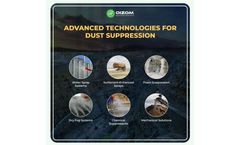
The most common method is water-based suppression, where fine droplets, created using nozzles, mist cannons, or fogging systems, attach to dust particles. These heavier combined particles then settle to the ground. ...
Recent studies reveal that airport workers and frequent travelers inhale more tiny harmful particles than the average person, increasing the risk of lung disease and heart problems. ...

Regular filter replacement in air pollution control equipment is of paramount importance for ensuring the optimal performance and longevity of the systems. Air pollution control devices such as fume extractors, dust collectors, and mist collectors are essential in maintaining clean air within industrial environments. These systems rely heavily on their filters to capture and remove airborne ...

They are widespread in bedding, pillows, mattresses, and upholstered furniture. When you inhale or consume dust mite particles, your immune system attacks. Histamine is a substance secreted by cells in response to threats or offenders. ...
Some of the most common types of welding fumes include: Metal Fumes: Tiny particles of metal become airborne during the welding process. These particles may include hazardous elements like Chromium, Lead, Cadmium and Manganese. ...

A fume hood is large, durable, and filters the air to prevent the inhalation of toxic particles that can lodge in the lungs and cause serious health implications, however, a fume hood does not protect against solid particles. A biological safety cabinet, also referred to as a biosafety cabinet, removes solid particles from the ...

Infectious diseases like COVID-19 can spread through the inhalation of airborne particles and aerosols. In addition to other layered prevention strategies, like vaccination, wearing masks and physical distancing to reduce the spread of infectious diseases like COVID-19, actions to improve ventilation, filtration and other proven air cleaning strategies can ...

They filter the air to prevent the inhalation of toxic particles that can lodge in the lungs and cause serious health implications. ...

Following the coronavirus emergency, surgeries and medical offices shall be reorganised to work safely. One of the first safety measure to adopt concerns suction of aerosol potentially infected. ...
ByAirsafe
After this year of Covid-19 pandemic, it is well known that tiny drops emitted from oral cavities host and lead coronavirus particles (among others). On the other hand, not always has been explained clearly that drops emitted by a cough, a sneeze or while talking are actually of two types: bigger and heavier droplet and lighter and volatile aerosol. After the initial stages, during which ...
ByAirsafe

Many such systems also perform bacterial, viral filtration and can prevent the inhalation of small particles. Importance of Humidification System for Tea Industries Since a humid climate is good for tea growth in the plantation, the Tea Fermentation Humidifiers are essential. ...

Airborne transmission happens when a bacteria or virus travels in aerosolized droplet nuclei that remain suspended in the air until a healthy person inhales the infectious agents. Measles and chickenpox are examples of diseases that spread through airborne transmission. ...

However, some may penetrate head airways, and enter lung airways. When inhaled, if PM100 particles are not exhaled or cleared out from the respiratory tract. ...
The inhalable particles that are less than or equal to 10 micrometers in diameter are collectively known as PM10, they tend to settle as they are heavier. ...
The fine inhalable particles that are less than or equal to 2.5 micrometers in diameter are collectively known as PM2.5. They are more than 100 times thinner than a human hair (too small to be detectable by the human eye) making them more harmful than larger particles as they can penetrate deeper into the human respiratory tract when ...
The ultra-fine inhalable particles that are less than or equal to 1 micrometer in diameter are collectively known as PM1. They are more than 400 times thinner than human hair (too small to be detectable by the human eye) that can penetrate directly through the lungs into the bloodstream when inhaled. PM1 are extremely fine ...

Dust is a generic term for the small dry particles of matter found in the earth. Dust is formed when fine particles are taken up from the earth and into the atmosphere, usually by wind or other physical disturbances. ...

Airborne particles are harmful to human health even in low concentrations which makes precise measurements verifying compliance with the statutory limit values even more important. Inhaled fine dust particles, as scientific studies show, notably in the range smaller than 2.5μm, may reach nearly all internal organs and more than that cause ...