
Insect Pollination Articles & Analysis
19 articles found

As industries across agriculture, food processing, wastewater treatment, and environmental operations face increasing pressure to reduce nuisance-insect activity, a new challenge has emerged: How do we manage harmful fly presence without compromising pollinators, ecological balance, or community health? ...
Third is chiral carbon and component proportion. Chiral carbonation in insects also influences pheromone activity. Pollinating insects, for instance, track plants using the pheromone carvone oxide, and the chiral carbon chemistry of trans-carvone oxide and cis-carvone oxide is not the same. The antennae of two pollinating ...

Forty per cent of world species depend on the world’s rapidly degrading wetlands, including humans. Water stewardship is already delivering huge benefits in water availability in our communities. Why not do it for nature too? IF THE SLEW of recent sustainability conference themes and blogs is anything to go by, nature is having a moment. It’s long overdue. The world’s forests, ...

Pests, such as insects, pose a significant threat to agriculture and public health. Traditional methods of pest control, such as chemical pesticides, have raised concerns about their impact on the environment and human health. ...
With pheromone activity screening service, the clients can evaluate the effectiveness of their pheromones in a variety of settings, including: - Agriculture: Pheromones can be used to control insect pests and to increase pollination rates in crops. - Pest Management: Pheromones can be used to detect and monitor insect pests and to attract or ...

These chemicals are lethal to most insects, including essential pollinators. Chemical-free treatment of seeds In order to avoid the effects of chemical treatments, chemical-free solutions are strongly desired. ...
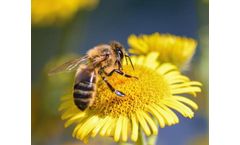
In history, farms had no concerns about pollination thanks to high populations of pollinating insects such as bees in natural abundance. However, due to the increased population demanding more crops, habitat destruction, and the use of fertilisers bee communities are dropping.1 “The pollinator crisis” refers to the decline in ...

Anthocyanins protect plants from biotic attack and attract insect pollination. In addition, they can respond to biotic and abiotic stresses, scavenge oxygen radicals, and protect plants from high light densities. ...
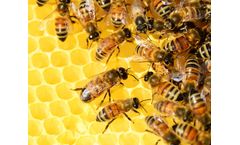
Earthwatch is known for enabling volunteers to participate in research at remote locations worldwide and the institute has been working on numerous projects concerning pollinating insects such as bees, butterflies, and moths. The discussion about bees, however, is not new. ...

Deforestation and biodiversity loss negatively affect shea tree populations’ regeneration and pollination, both of which are already comparably low (Bommarco et al. 2013). ...

With specific regard to sulfoxaflor’s impact on bees, EPA states the following: Since the vacatur in 2015, DAS has submitted numerous additional pollinator studies. The pollinator data requirements listed in 40 CFR 158.630 have all been submitted or waived. ...
EPA states that the “RT25 data help farmers and beekeepers know about how long a specific pesticide may remain toxic to bees and other insect pollinators following foliar application to crops,” and the new data “reflect the results of studies the agency has analyzed as part of [its] routine pesticide regulatory ...

Blight of the Bumblebees We tend to think of pollinating insects as our ecological friends, but in the wrong place nonnative bees can spell trouble instead by competing with native insects, promoting reproduction in nonnative plants and potentially spreading disease. And they’re doing just that, thanks to people who transport them ...
ByEnsia

Forest Service.iv A bat colony can take out up to tens of thousands of mosquitos in a night. Bats also prey on insects that feed on crops, saving the U.S. agriculture industry more than $3 billion a year in pesticide costs, according to a Boston University study.v Not only do bats control flying insects, they also pollinate commercial crops, ...
How can we achieve sustainable agriculture if we don’t understand the ecological nuances of the pest, pollinator and predator communities that use the agricultural landscape? ...
ByEnsia

” A Sustainable Solution Pheromones confuse the male insect so that they are unable to find the female to fertilize the eggs, thus diminishing pest populations without killing the pests or using toxic substances. ...

Despite the extensive use of the neonicotinoid insecticide clothianidin, and its known toxicity to beneficial insects like pollinators, little attention has been given to its fate under agricultural field conditions. ...
Invertebrates — including insects, worms and crustaceans — are usually pretty small, but they have a big impact when it comes to providing ecosystem services. In fact, insects alone are responsible for pollinating around 75 percent of the world’s crops, and invertebrates play a major role in recycling waste and improving water ...
ByEnsia
The average number of seeds floret–1 under pollination by naturally occurring insects was similar to the number of seeds developed without presence of pollinators. ...