
Refine by
Insecticide Articles & Analysis
310 articles found
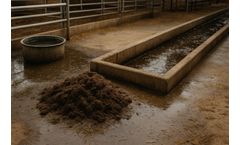
The resilience of biofilms presents a significant challenge for management; standard cleaning practices often fail to penetrate the matrix, allowing it to remain intact even after surface-level improvements are observed, thereby sustaining reservoirs of organic material and microbial activity that support fly populations.Limitations of Conventional Fly Management in Livestock SystemsChemical ...

A Chemistry-Based Approach to Fly and Odor Control Abstract Persistent fly infestations and odor generation in agricultural, industrial, and municipal systems are commonly treated as surface-level sanitation issues. However, growing evidence suggests these challenges are rooted in the structural and microbial dynamics of biofilm. This article examines the role of biofilm as a foundational ...

Location: Experimental Farm, Honduras Background: Lazarus & Lazarus, a technology-based construction firm in Honduras, contacted a distributor of Ecological Laboratories to explore technology to improve their poultry litter processing. Ecological Laboratories technologists devised a test protocol using MICROBE-LIFT® technology conducted at an experimental poultry farm. This farm is ...

By incorporating this pheromone into bait stations or traps, insects are attracted to the source only to be met with an insecticide. This targeted approach minimizes environmental impact and maximizes pest control efficiency. ...
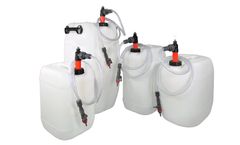
“This combination of materials enables the pumping of a wide range of media, including low-viscosity mineral oils, cooling lubricants, disinfectants, diesel, flame retardants, fungicides and insecticides, as well as various cleaning agents and sanitising products”, says Rössler. ...

In commercial applications, liposomes have been employed as carriers in slow-release or delayed-release insecticide formulations, offering an environmentally friendly and safe method for delivering active agents into the plant vascular system. ...
Another area of research that has shown promising results is the use of Japonilure pheromone in combination with other control methods, such as biological control agents or insecticides. By integrating pheromone-based monitoring and control tactics with other pest management strategies, researchers have been able to achieve more sustainable and effective pest control outcomes. ...

Our pesticide analyses include herbicides, fungicides, insecticides, spermicides, rodenticides, and other categories, and we test all crops, fruits, vegetables, grains, other vegetation, soil, water, and animal products using single- and multi-residue methods. ...
Biomanufacturing pest control products For example, the biosynthetic pyrethric acid has been widely used in pyrethrin ...
The pesticide/herbicide residue analysis services cover: Raw Agricultural Products Processed Agricultural Products Plant Water & Soil Pesticides/herbicides that can be tested include: General Herbicide Alachlor, Atrazine, Benefin, Bromacil, Butachlor, Butylate, Cycloate, Eptam (EPTC), Ethalfluralin, Hexazinone, Isopropalin, Metolachlor, Metribuzin, Molinate, Norflurazon, Oxadiazon, ...

Beekeeping: Charcoal is used in beehives to absorb moisture and reduce mold growth. 2.Wood vinegar has multiple applications: Fertilizer: Wood vinegar can be used as a natural fertilizer due to its nutritional content, which can improve soil fertility. Pest Control: Due to its insecticidal properties, wood vinegar can be used in pest control, controlling pests without the use ...
Biomanufacturing pest control products For example, the biosynthetic pyrethric acid has been widely used in pyrethrin ...
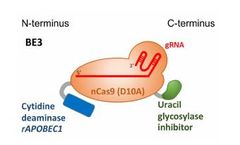
The RNAi-produced corn could resist the rootworm without the need for insecticides, reducing economic losses and environmental impact. However, challenges remain. ...

Biomanufacturing pest control products For example, the biosynthetic pyrethric acid has been widely used in pyrethrin ...
In recent years, the use of pheromones has gained significant importance in pest management systems as it offers a more eco-friendly and sustainable alternative to conventional insecticides. The controlled release of pheromones using gel materials has emerged as a promising approach for effective pest management. ...

Minerals, salts, metals, Calcium, sodium, magnesium, potassium, iron, lead, arsenic, carbonates, bicarbonates, nitrates, sulphates, and chlorides or other contaminants that dissolve in water are examples of these things. Hydrocarbons, herbicides, insecticides, fulvic acid and humic acids, as well as a range of organics from industrial effluents, can all be found in the dissolved ...
ByWaltr
These properties make oleyl alcohol an ideal ingredient for pheromone formulations, as it does not cause harm to non-target organisms, making it an attractive alternative to traditional insecticides. Another advantage of oleyl alcohol is that it has a high level of purity, which is essential for the effectiveness of pheromones. ...

The mode of action of insecticidal proteins varies depending on the specific protein and the target pest. ...

Thrips, ah. the little insects that can pose annoying issues for cannabis cultivation. Thrips are minuscule, elongated insects that feed on cannabis plants’ sap, resulting in discolouration, crooked development, and decreased yields. But chill, fellow growers! It is possible to effectively prevent and treat thrips damage with the correct information and methods. The impact of thrips on ...

In the quest to comprehend the dramatic changes in our environment over the past century, scientists from the University of Birmingham and Goethe University in Frankfurt have embarked on an extraordinary journey using what they call a DNA ‘time machine.’ This innovative approach utilizes the power of AI and DNA-based biodiversity analysis to unveil the mysteries of environmental ...