
Insulating Brick Articles & Analysis
36 articles found

High temperatures, often exceeding 1200°C, require robust insulation solutions to ensure energy efficiency and operational safety. ...

What Are Magnesite Bricks? Magnesite bricks are refractory materials composed mainly of magnesium oxide, often with added binders and stabilizers to enhance their properties. ...
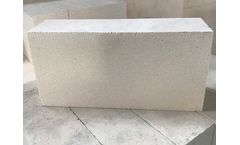
What Are Mullite Insulation Bricks? Mullite insulation bricks are lightweight refractory materials made primarily from mullite, a mineral composed of alumina (Al2O3) and silica (SiO2). ...
Excellent Thermal Insulation: The air bubbles within Kerui alumina bubble brick provide outstanding thermal insulation properties, reducing heat loss from furnaces and kilns, leading to energy savings. ...

Key components within the plastic pyrolysis reactor include heating elements such as electric heaters, gas burners, or indirect heat exchangers, which provide the energy necessary to initiate and sustain the pyrolytic process. Additionally, insulation materials such as refractory bricks or ceramic fibers help maintain thermal efficiency and minimize heat loss. ...
When it comes to purchasing refractory bricks for industrial applications, there is often a desire to find cost-effective options. ...
This composition significantly reduces the need for natural resources, lowers energy consumption during manufacturing, and minimizes carbon emissions. By choosing lightweight bricks, you contribute to the conservation of natural resources and the reduction of construction-related environmental footprints.Improved Energy Efficiency Lightweight bricks possess ...

Refractory bricks are essential components in various high-temperature applications, providing thermal insulation and resistance to extreme conditions. ...
Ideal high alumina refractory bricks for high-temperature and abrasion-resistant applications. Fire clay bricks are cost-effective and provide good thermal insulation for lower temperature applications. Insulating bricks, made from lightweight materials, excel in insulation properties and energy ...
Insulating fire bricks, excellent lightweight clay insulation bricks with good thermal shock resistance, are commonly used in areas subject to rapid temperature changes.Thermal Shock ResistanceIncinerators undergo frequent thermal cycling, with abrupt temperature changes during startup, shutdown, and intermittent operation. ...
Here we will delve into the advantages of using alumina bricks in lime kilns, highlighting their significant impact on energy conservation and cost savings.Superior Thermal InsulationExcellent Heat RetentionAlumina bricks possess excellent thermal insulation properties, resulting in superior heat retention within the lime kiln. ...
Thermal Shock Resistance: Refractory bricks for pyrolysis furnaces exhibit excellent thermal shock resistance, allowing them to withstand rapid temperature changes without cracking or losing their insulating properties. This resilience enhances the longevity of the furnace lining. Optimized Insulation: These bricks offer superior ...
Thicker bricks generally entail higher costs, but they offer superior insulation and durability.Quality and GradeRefractory bricks manifest in diverse quality grades, with premium grades often exhibiting heightened resistance to heat and chemical corrosion. Consequently, higher-grade 70 alumina fire bricks usually carry a higher ...

These solutions not only ensure operational efficiency but also prioritize environmental responsibility, aligning seamlessly with the goals of the environmental industry.A notable achievement by Kerui Refractory lies in the development of eco-friendly insulating refractory brick and other refractory materials that significantly minimize environmental impact. ...
Thermal Insulation: Possessing commendable thermal insulation properties, these durable chrome bricks contribute to maintaining consistent temperatures within the furnace, thus enhancing energy efficiency.5. ...
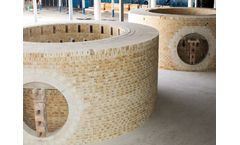
Typically composed of oxides like alumina, silica, magnesia, and chrome, these materials offer unparalleled resilience.Types of Refractory MaterialsFireclay Bricks: Crafted from fireclay minerals, fireclay bricks provide commendable thermal insulation properties, making them suitable for lower temperature applications.High Alumina ...
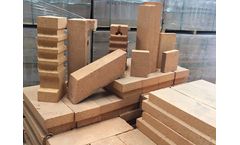
The choice of materials for these furnaces is of utmost importance, and high-quality fire clay bricks emerge as the ideal solution, offering exceptional thermal performance and durability.Understanding Fire Clay BricksFire clay bricks are refractory materials renowned for their remarkable heat resistance, making them perfectly suited for high-temperature ...
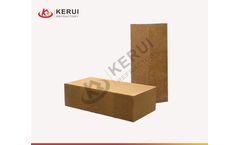
These bricks serve as essential components in melting furnaces, providing insulation and safeguarding against the intense heat generated during the melting process. ...
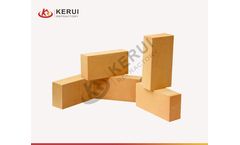
Insulation bricks play an important role in various industries and applications by providing excellent thermal insulation properties. ...
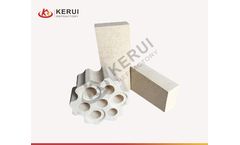
A notable feature of these bricks is their high alumina content, typically greater than 50%. This high concentration of alumina gives the excellent alumina refractory bricks thermal stability and resistance to a variety of harsh conditions.Main AdvantagesExtremely high heat resistance: High alumina refractory bricks can withstand temperatures ...