
Intestinal Absorption Articles & Analysis
19 articles found

One of the most widely recognized in vitro models for evaluating the intestinal absorption of compounds is the Caco-2 permeability assay. This assay plays a pivotal role in understanding how drugs are absorbed in the gastrointestinal tract and aids in predicting their bioavailability. ...
This assay utilizes Madin-Darby Canine Kidney (MDCK) cells, which are a widely used model for studying intestinal absorption and permeability due to their similarity to human epithelial cells. Importance of the MDCK Permeability Assay Drug absorption in the gastrointestinal tract is a significant factor that influences the efficacy of oral ...

Bile, a complex fluid produced by the liver and stored in the gallbladder, plays a crucial role in the digestion and absorption of fats, fat-soluble vitamins, and other essential nutrients. ...

Regulation of lipoprotein metabolism by intestinal flora The intestine is not only a site of lipid digestion and absorption, but also a place where a large number of microorganisms reside. The intestinal microbes are able to regulate dietary lipid composition, digestion and absorption and may alter the formation ...

A work by Cruzat et al. (2018) in Nutrients reviewed the metabolism of glutamine in key organs such as the intestine, liver, and skeletal muscle and its importance to immune system cells. [4] Enzymes In dietary supplements, enzymes are commonly included to support digestion, absorption, and overall nutrient utilization. For example, proteases are enzymes that ...
Their distinctive structure enables them to serve as integral components in the process of lipid digestion and absorption. Bile Acid Function: Unlocking the Secrets of Digestion and Absorption At the intersection of molecular complexity and physiological significance lies the remarkable role of bile acids. ...
Lactose can promote the diffusion and transport of calcium and facilitate absorption, and it has an intestinal regulating effect. If it is not well degraded, a series of symptoms of lactose intolerance will occur. Patients with lactose intolerance cannot digest lactose in cow's milk into glucose and galactose that can be directly absorbed by the body's blood. ...
Lactose can promote the diffusion and transport of calcium and facilitate absorption, and it has an intestinal regulating effect. If it is not well degraded, a series of symptoms of lactose intolerance will occur. Patients with lactose intolerance cannot digest lactose in milk into glucose and galactose that can be directly absorbed by the body's blood. This is ...

High central pressures lead to intestinal edema and decreased oral diuretic absorption. Decreased renal blood flow leads to reduced filtration and decreased delivery of loop diuretic to the nephron. ...
Primary bile acids are secreted into the intestine and undergo 7α dehydroxylation by intestinal bacteria to form secondary bile acids. ...

By breaking down the monosaccharide glucose, living organisms are able to harvest energy released from the bonds. 2) Oligosaccharides Research revealed that oligosaccharides exert great effects on promoting intestinal peristalsis and improving gastrointestinal absorption with a moderate intake. ...

They found that net Mg absorption occurred also in the small intestine and both net absorption and secretion in the large intestine. They concluded that the major site of absorption of both Mg and Ca was prior to the small intestine while the major site of P absorption was the ...

The small intestine is covered in projections called villi, which expand the surface area of absorptive enterocytes in order to facilitate nutrient absorption. ...
Differences in intestinal physiology may cause differences between UC and CD, as the different regions within the small intestine and colon, as well as differences in the two tissues themselves, are vast. ...
Historically, colonic cancer cells (Caco-2) have been used for decades to study drug absorption in the small intestine, but these models do not always mimic normal physiology, and many failures of Caco-2 as a preclinincal model have resulted. ...
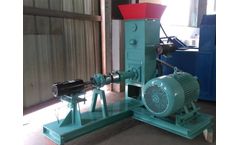
Because aquatic animals like fish and shrimp have small intestines and stomach with bad digest absorption ability, the manufacturing process of aquaculture feed has much higher requirement than that of livestock feed. ...

These NC were loaded with multi functional anti cancer bovine lactoferrin (Lf), a natural milk based protein, for improvement of intestinal absorption, in order to develop a novel platform to carry anti cancer protein and/or peptides for oral therapy. ...

Alpha-glucosidase inhibitors are agents that delay the glucose absorption at the intestinal level and thereby prevent sudden surge of glucose after a meal. ...
The activity of detoxifying enzymes and glucose absorption were measured in the digestive tract of Helix aspersa exposed to nickel. Nickel decreased CAT activity and, in the lower concentration, inhibited intestinal absorption of glucose. Elevated AChE activity and unchanged GST activity indicate diversity in enzymatic response to nickel. ...