
Intestinal Function Articles & Analysis
21 articles found

Over the past few decades, the production of commercial probiotics for humans has been based on the study of the interaction between intestinal microorganisms and their hosts. The beneficial effects of probiotics related to intestinal health mainly include improved digestion, enhanced nutrient absorption, regulation of the immune system, and maintenance of a ...

After entering the blood circulation, short-chain fatty acids can affect the metabolism of many peripheral tissues such as liver, adipose tissue and skeletal muscle. Intestinal flora affects the hormone secretion that regulates intestinal endocrine cells Intestinal flora can regulate the development and function of ...

These oral antidiabetic medications mainly work by increasing insulin sensitivity, slowing down the metabolism of carbohydrates in the small intestine, repairing and improving the function of pancreatic β-cells, and promoting insulin secretion to achieve blood glucose reduction. ...

COVID-19 starts in the upper airways and lungs, but in severe cases can also affect the heart, blood vessels, brain, liver, kidneys, and intestines. Understanding the functional characteristics and cellular tropism of SARS-CoV-2, as well as the pathogenesis leading to multi-organ failure and death, has driven the unprecedented adoption of organoid models. ...

Enteral nutrition elevates ITF concentration and decreases DAO activity after high injury, and ITF is of better value than intravenous nutrition in repairing damaged intestinal mucosa. 2. Role in post-traumatic intestinal barrier function impairment Several scientists have studied the intestinal barrier ...

The results show improvements on: Passive assisted motion (79%) Stimulation of intestinal functions (71%) Body stability (64%) Joint mobility (56%) Secure means of allowing supine position (52%) Revision of abnormal motion patterns (48%) Postoperative joint mobility (33%) ...
Bidirectional Effects Through years of research, it has been revealed that intestinal flora can synthesize a range of enzymes involved in drug metabolism, including oxidases and hydrogenases. ...

As a parent, you want and hope the best for your children. When your child is diagnosed with a severe condition such as Short Bowel Syndrome, you can feel as if your world has turned upside down. Managing their disease and helping your child lead a better life becomes your top priority. For any parent, the first step in supporting your child is to better understand their disease and the ...

Human milk oligosaccharides (HMOs) are the third most common solid component in human breast milk, second only to lactose and fat, which have important biological functions and not only play an anti-infective role against intestinal pathogenic microorganisms, but also maintain the balance of intestinal microecology. ...
Due to more research and extensive understanding of it, it is a good choice for regulating the intestinal tract and enhancing immunity. Lactobacillus acidophilus is somewhat similar in function to Lactobacillus rhamnosus, but it is more resistant to acid. ...
In addition, bifidobacteria can also reduce blood ammonia and improve liver function. 2. Probiotics have the effect of regulating the intestines, adjust the micro-ecological disorders, and prevent diarrhea. Probiotics enter the human intestinal tract, promote the normalization of intestinal bacterial flora through their ...
The environment, proximity to other humans and animals, diet, genetics, and time changes can all affect the microbial composition of our skin, mouth, and intestines. Compared with other previously unknown organs, the microbiota has extensive metabolic functions and carries 1,000 times more genes than the human genome. ...
When we talk about intestinal bacteria or dietary fiber, we often hear about "short-chain fatty acids". ...
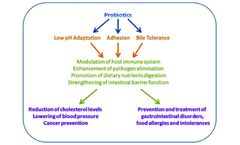
They can resist gastric acid and bile acid, and can attach and colonize in the intestinal tract. According to statistics, the human gastrointestinal tract contains a rich and diverse microbial community, gathering more than 100 trillion microorganisms. These microbiomes encode more than 3 million genes (the human genome is composed of approximately 23,000 genes) and produce ...
Limitations of Animal Models Rodents are commonly used as in vivo animal models of the human intestinal system, but these models do not completely mimic the human intestine, as they fail to recapitulate structural anatomy and lack some of the receptors and cells types found in humans. ...
At present, there are more than 20 kinds of probiotics used in China, mainly including Bifidobacterium, Lactobacillus, Clostridium butyricum, Saccharomyces boulardii, Enterococcus, Bacillus licheniformis and Bacillus cereus. Probiotics have eight major functions. 1. Maintain normal intestinal function The intestine is the ...
Probiotics can reduce the risk of liver cancer by regulating the host intestinal flora to prevent endotoxemia associated with dysbacteriosis, maintaining the intestinal epithelial barrier function, and inhibiting the translocation of intestinal bacteria and their derivatives into the body circulation. ...
The probiotics multiply in large quantities in the intestine, which can adjust the disordered intestinal flora structure and improve the body's immune ability, thereby helping to restore health. ...
Even for healthy people with normally functioning intestinal systems, drugs can have a dramatic influence, leading to serious problems. ...
The polarized monolayers express tight junction proteins and recapitulate the barrier function of the intestine in vivo. Additionally, they can be tailored to consist of different cell lineages. ...