
Refine by
Ion Analysis Articles & Analysis
99 articles found
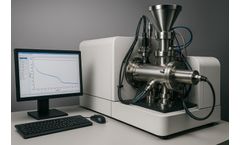
Secondary Ion Mass Spectrometry (SIMS) is a surface analysis technique known for high sensitivity and excellent depth resolution in the analysis of solid materials. ...

Temperature-Programmed Reaction (TPRx) offers essential insight into how catalysts behave during temperature ramps. By observing the gases released or consumed during controlled heating, researchers can determine activation temperatures, identify reaction pathways, and evaluate material stability. The quality of the information derived from TPRx depends on the performance of the detector used to ...

The electrochemical ammonia oxidation reaction (AOR) is a crucial process for addressing environmental challenges, enabling energy conversion, and producing value-added chemicals. Selectively oxidizing ammonia into nitrogen (N2) or products like nitrite (NO2−) and nitrate (NO3−) offers applications in nitrogenous wastewater remediation and ammonia-based fuel cells. However, the ...
The stability and lifetime of lithium-ion batteries hinges on deciphering the reactive processes that occur where the cathode meets the electrolyte. ...
The chemistry of a material’s outermost nanometres often determines its functional performance, making accurate surface characterisation vital for modern materials research. Yet, analysing these nanometre-scale layers is inherently challenging, as many surface-sensitive chemistry techniques, like AES, can modify the material or disturb its native chemical composition and techniques like EDX ...

How IC is helping us provide more accurate, reliable, and insightful environmental solutions. Ion chromatography (IC) is an analytical chemistry technique to analyze ions and polar molecules via liquid chromatography. ...
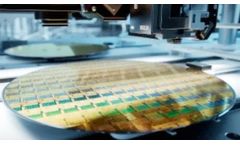
As semiconductor devices shrink to meet the demands of advanced electronics, the precision of material removal during fabrication becomes increasingly important. Processes like ion beam etching must stop precisely at targeted etch depths to preserve layer integrity and device function. In multi-layered device architectures, even minor deviations in etch depth can compromise performance or yield. ...

The analytical challenge is immense. Modern N-glycan analysis employs sophisticated orthogonal techniques including permethylation analysis, exoglycosidase arrays, and ion mobility-mass spectrometry to decipher isomeric structures that conventional methods cannot distinguish. ...

High-Performance Liquid Chromatography (HPLC)(1) PrincipleHPLC can separate, identify, and quantify various components in complex samples. In amino acid analysis, ion-exchange chromatography and reverse-phase high-performance liquid chromatography are commonly used.(2) OperationThe sample is first properly prepared, such as protein hydrolysis and elution. ...

The following list encompasses instruments that are commonly used for environmental analysis: Avance III 400MHz NMR: applied for Component Analysis, Micro-analysis, Surface Analysis, Structure Identification, Performance Analysis, Toy Analysis, Polymer Material Analysis, Spice ...
Nanotechnology represents a new frontier in research and development (R&D) across a broad spectrum of human endeavours, from bulk materials to advanced thin films and substrate surfaces. Though concerned with the minuscule, the scope of nanotechnology is undeniably vast. While much of the truly exciting nanoscience research remains in developmental stages, numerous nanotechnology ...

It is beneficial to briefly recap the principles of mass spectrometry in gas analysis before delving into specific applications. Mass spectrometry involves three main components: Ion Source: Generates gaseous ions from the sample. Analyzer: Separates ions based on their mass-to-charge ratio. Detector: Quantifies the ...
Mass spectrometry (MS) is one of the foremost analytical methods of the modern age. It involves ionizing chemical compounds to generate charged molecules or molecule fragments, which are then separated and detected based on their mass-to-charge ratios (m/z). The resulting mass spectrum provides detailed molecular weight, structure, and composition information. Accuracies of within 1-2 parts per ...

These labels contain isotopes of different masses, allowing peptides from different samples to be distinguished during mass spectrometry analysis.2. Peptide MixingLabeled samples are mixed together, allowing multiple samples to be analyzed simultaneously in one experiment.3. Mass Spectrometry AnalysisThe mixed samples are analyzed by a mass spectrometer. During MS/MS ...

iTRAQ (Isobaric Tags for Relative and Absolute Quantitation) and TMT (Tandem Mass Tag) are two commonly used mass spectrometry labeling techniques for protein quantification analysis in proteomics research. These techniques quantify protein expression levels in different samples by using chemical labels and are particularly useful for comparing biological samples under different ...
It uses electric and magnetic fields within a mass analyzer to manipulate and filter ions. This method separates and identifies ions based on their mass-to-charge ratio (m/z). ...

Mass Spectrometry AnalysisMass spectrometry analysis is an analytical technique that determines the chemical structure of compounds by measuring the mass and abundance of ions. In protein mass spectrometry analysis, mass spectrometry can be used to identify and quantify proteins, as well as analyze protein post-translational modifications.In the ...

Peptide-based sequencing includes steps such as peptide cutting, peptide ionization, ion acceleration, and mass spectrometry analysis. Peptide-based sequencing requires the peptide to be decomposed in the mass spectrometer, and the peptide sequence is inferred by measuring the mass of its fragments.2. ...

Mass spectrometry is a method of substance analysis based on the mass-to-charge ratio of ions. In the mass spectrometer, the sample to be tested is ionized to generate ions, which are then separated according to their mass-to-charge ratio through an electric or magnetic field, and finally, a mass spectrum is generated according to the relative ...

The complete peptide ions or fragment ions will enter the final stage containing the detector, the resulting spectra are called MS1 or precursor ion spectra in the former case, and MS2 or product ion spectra, also known as MS/MS spectra, in the latter case. ...